Rock Pigeon
Aqueduct Walk is a verdant linear park nestled in the heart of the West Bronx, New York City, offering a refreshing urban escape.
Aqueduct Walk is a verdant linear park nestled in the heart of the West Bronx, New York City, offering a refreshing urban escape. This unique public space, recently honored as the Bronx's first-ever scenic landmark, follows the historic path of the Old Croton Aqueduct, transforming a vital piece of 19th-century infrastructure into a peaceful greenway. As "The Bronx's High Line," it provides a quiet, elevated route through bustling neighborhoods, inviting visitors to slow down and connect with both nature and history. Its tree-lined asphalt trails and lush embankments create an urban oasis, a testament to community efforts to preserve and enhance this cherished local treasure.
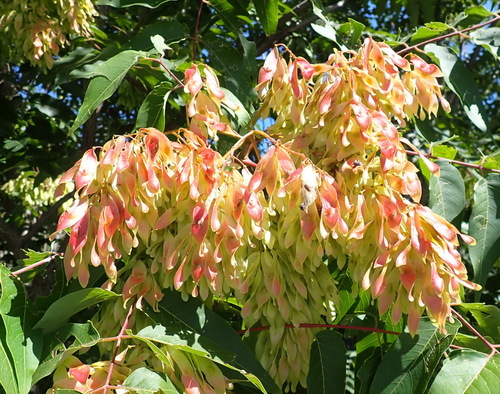
Stretching approximately 1.7 miles between Kingsbridge Road and Tremont Avenue, Aqueduct Walk boasts a variety of recreational amenities amidst its natural beauty. Beyond the tranquil pathways perfect for a leisurely stroll or invigorating jog, the park features basketball courts, modern playgrounds, and a cooling spray shower, making it a lively hub for community activity. Nature enthusiasts can delight in observing some of the local flora and fauna; keep an eye out for familiar urban wildlife like the Eastern Gray Squirrel, Rock Pigeon, and American Robin, or perhaps spot an Eastern Cicada-killer Wasp or a Common Eastern Bumble Bee tending to the park's plant life. The vibrant Virginia creeper and common dandelion add touches of seasonal color to the green landscape, while the distinctive, if invasive, Tree-of-heaven and Porcelain Berry are also part of the park's diverse ecosystem.
Whether you're seeking a historical journey, a serene retreat, or an active outing, Aqueduct Walk promises a memorable experience. It's a place where the past function of gravity-fed water meets the present-day need for green space, offering a distinct sense of separation from the surrounding city. The blend of recreational facilities and natural elements, coupled with its rich history, makes it a compelling destination for anyone looking to discover a unique slice of the Bronx. Take a moment to pause, enjoy the fresh air, and appreciate the continuity of this remarkable urban greenway. Take the ultimate field guide with you: use the Snappit app to identify birds, plants, and animals on your trip.
Aqueduct Walk owes its existence to the Old Croton Aqueduct, an engineering marvel constructed between 1837 and 1842. This innovative system was built to supply New York City with its first direct source of fresh water from the Croton River, a crucial development for the city's rapidly growing population and public health. A section of the aqueduct in the West Bronx, running along an earthen embankment, quickly became a popular walkway, even frequented by the renowned poet Edgar Allan Poe in the 1840s. The local community played a pivotal role in preserving this cherished space. They successfully campaigned against proposals to build a trolley line in 1903 and prevented the city from selling the land for development in 1929. In 1930, the New York City Department of Parks and Recreation officially took control of the land, and Aqueduct Walk opened as a public park in 1940 following a renovation. Although the Old Croton Aqueduct ceased active water delivery in 1955, the pathway atop it has been continually improved with amenities like seating, lighting, playgrounds, and basketball courts, solidifying its role as a vital green space for generations. The park received historical marker signs on September 19, 2024, and was designated the Bronx's first New York City scenic landmark on April 16, 2024.
Walk or jog along the scenic linear pathway.
Enjoy recreational activities at the playgrounds and basketball courts.
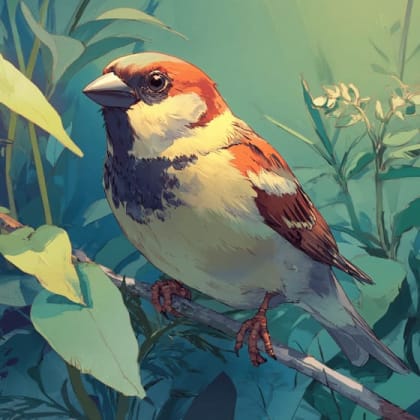
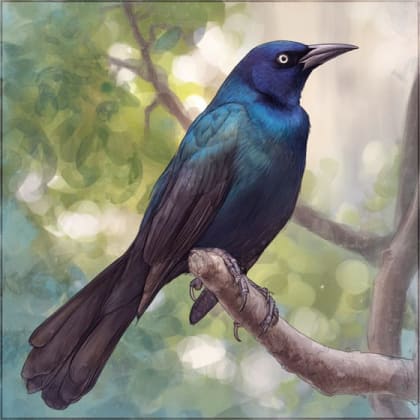
Observe local urban wildlife, including various birds like the Rock Pigeon, House Sparrow, American Robin, and Common Grackle, as well as Eastern Gray Squirrels. Keep an eye out for insects such as the Eastern Cicada-killer Wasp and Common Eastern Bumble Bee.
Appreciate the diverse plant life, from native species to more prominent ones like Virginia creeper and common dandelion.
Relax on park benches and soak in the "urban oasis" atmosphere.
Spring/Summer: Expect vibrant greenery and active wildlife. The spray showers may be operational in warmer months. The trail can become muddy after heavy rain.
Fall: Enjoy seasonal foliage along the tree-lined path.
Winter: The park remains open, offering a quieter experience, though some amenities like spray showers will be closed.
Aqueduct Walk features asphalt trails, making many sections suitable for strollers and wheelchairs. Various staircases and ramps provide access to and from neighboring streets.
The historic Old Croton Aqueduct pathway itself, offering a glimpse into 19th-century engineering.
Captain Roscoe C. Brown Jr. Plaza, a community gathering space.
Modern playgrounds and basketball courts.
Lush green embankments and tree-lined asphalt trails.
Each card links to a full Explore page with photos, traits, and fun facts.
Start with the big picture, then zoom in to explore individual wildlife observations around this place.
Wear comfortable footwear
The park's asphalt trails are perfect for walking or jogging, so comfortable shoes are a must for an enjoyable experience.
Visit during off-peak hours
Weekday mornings are ideal for a more serene experience, with fewer crowds and pleasant temperatures.
Stay hydrated
Bring water, especially on warmer days, as you explore the park's length.
Look for historical markers
Keep an eye out for signs detailing the fascinating history of the Old Croton Aqueduct and the park's scenic landmark status.
Explore with kids
Take advantage of the playgrounds and spray showers for family fun.
Observe local nature
While walking, pay attention to the trees, plants, and the various birds and insects that call this urban greenway home.
Jan 23, 2026
Jan 8, 2026
Dec 15, 2025
Dec 6, 2025
Dec 6, 2025

Maryland, US
You might spot White-Tailed Deer and Eastern Gray Squirrel.
View guide →
.jpg)
District of Columbia, US
You might spot Eastern Gray Squirrel, Duck, and House Sparrow.
View guide →

Illinois, US
You might spot American Robin, Canada Goose, and House Sparrow.
View guide →

Virginia, US
You might spot Spotted Lanternfly and Northern Cardinal.
View guide →
Take the discovery with you
Identify the wildlife you spot, learn as you go, and keep a collection of the adventure.