





Hedge Veronica
Veronica × franciscana
Hedge Veronica is a lovely little flower that blooms in gardens and fields. It has pretty blue flowers that attract butterflies and bees, making it a favorite among pollinators!
Habitat: Urban areas
The Hedge Veronica has vibrant, glossy green leaves that form a dense, bushy mound. Its striking purple-blue flowers appear in tall, slender spikes, creating a beautiful display. These vivid blooms attract many busy pollinators.
Category
PlantsRarity
Common
Danger
1/5 · Very low
Snaps
Be the first to snap!
Did you know "Veronica" might be named after Saint Veronica, or Latin for "true image"?
Hedge Veronica is a special hybrid, meaning it's a mix of two different Veronica plants!
Its tiny flowers grow in long, bottlebrush-like spikes, creating a really unique shape.
These plants are super tough and can often bounce back even after a hard winter freeze!
Hedge Veronica has bright, nectar-rich flowers that attract bees and butterflies, helping other plants reproduce.
This plant can grow densely, helping to suppress weeds and keep soil cool and moist in garden beds.
Hedge Veronica can bloom for many months, providing a continuous source of color and nectar through summer and fall.
Apis mellifera
Gathers nectar and pollen from flowers.
Bombus terrestris
Visits flowers for nectar, aiding reproduction.
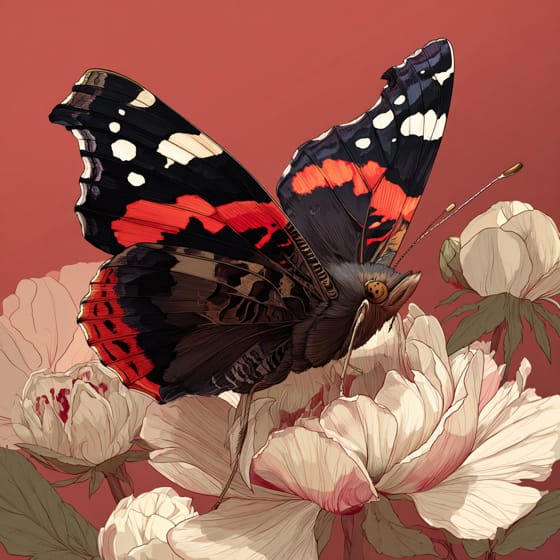
Vanessa atalanta
Feeds on nectar, carrying pollen between blooms.

Odocoileus virginianus
May browse on leaves and stems in gardens.
Flowering plants are any plants that produce flowers as part of their reproductive cycle.
Spring blooming plants produce their flowers during the spring season, often signifying the end of winter and the start of new growth.
Summer blooming plants produce their flowers during the summer season, often providing vibrant color when many other plants have finished.
Fragrant flowers emit a pleasant aroma, often to attract pollinators or for defense.

Drought-tolerant plants can survive and flourish in conditions with limited water availability.

Colorful describes organisms or objects displaying a wide range of bright and distinct colors.

Describes plants that are particularly attractive and beneficial to a wide range of pollinating organisms.

This habitat trait indicates species that can coexist with humans in urban and suburban environments, utilizing man-made structures and green spaces.
No aliases listed yet.
Danger
1/5 · Very low
Always look but don't touch flowers without asking an adult first.
The easiest way to identify Hedge Veronica is to use the Snappit nature identifier app.
30-90 cm
30-60 cm
0.5-1 cm
Summer to fall
No
None
Perennial
Zoom in to split clusters and explore where this object has been snapped.
Recent snaps will appear here as new observations are added.
Take the discovery with you
Snap it with Snappit to identify it, learn what makes it special, and add the discovery to your collection.








.jpg&width=800)


_001.jpg&width=800)




