




Dwarf Nettle
Urtica urens
Dwarf Nettle is a small plant with tiny, stinging hairs. It grows in many places and can be found in gardens and fields. Be careful, as it can give a little sting if you touch it!
Habitat: Grasslands
The Dwarf Nettle is a small, upright plant with soft green, oval-shaped leaves that have serrated edges. Its tiny, green-brown flowers grow in clusters where the leaves meet the stem, making them easy to miss. It differs from other nettles by its smaller stature and generally lighter green foliage.
Category
PlantsRarity
Common
Danger
2/5 · Low
Snaps
1
Ancient Romans sometimes used nettles to warm themselves by whipping their skin!
Even though it stings, some butterfly caterpillars munch its leaves for food!
Its tiny hairs act like miniature hypodermic needles, delivering a mild sting!
This plant loves disturbed ground, often popping up where soil has been recently moved!
Dwarf Nettle has hollow, needle-like hairs that inject irritants when touched, helping it deter hungry animals.
Dwarf Nettle can grow and produce seeds very quickly, allowing it to rapidly spread in disturbed soils.
Dwarf Nettle thrives in nitrogen-rich soil, making it a natural indicator of fertile ground for other plants.
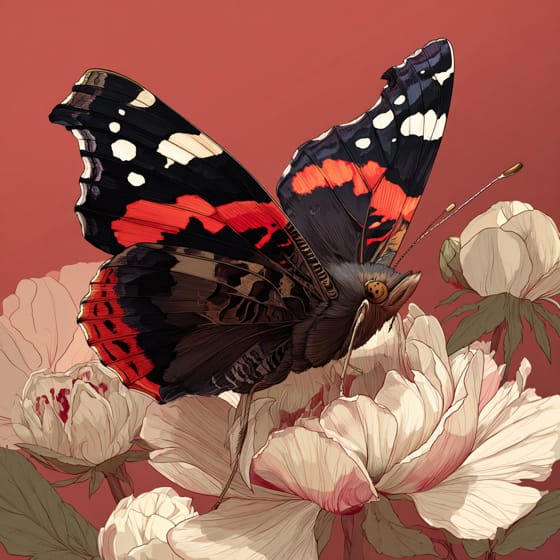
Vanessa atalanta
Larvae munch its leaves
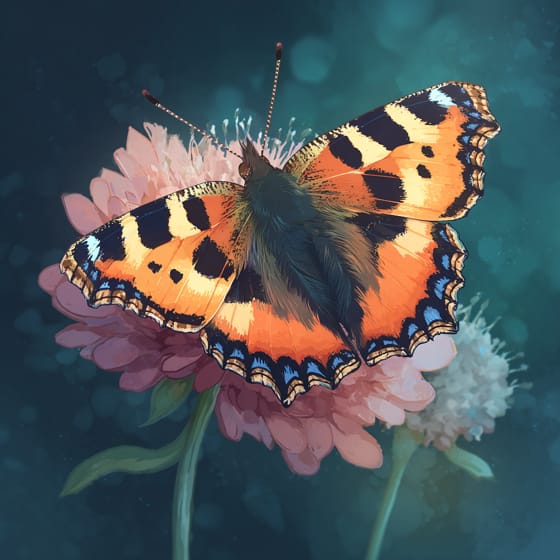
Aglais urticae
Caterpillars feed on foliage
Phyllotreta undulata
Adults chew holes in leaves
Herbaceous plants are non-woody plants with soft stems that typically die back to the ground at the end of the growing season.
Flowering plants are any plants that produce flowers as part of their reproductive cycle.
Medicinal plants possess chemical compounds that can be used for therapeutic purposes to treat illnesses or maintain health.
Edible plants are those parts of a plant that are considered safe for human consumption.

Grassland habitats are terrestrial biomes dominated by grasses and herbaceous plants, supporting a variety of grazing animals.

Rapid growing plants exhibit accelerated growth rates, quickly increasing in size and biomass within a short period.
Possessing sharp, pointed projections or spines on the body or surface.

Describes organisms that transfer pollen, enabling the fertilization and reproduction of plants.
No aliases listed yet.
Danger
2/5 · Low
Do not touch the plant without asking an adult, as it can sting.
The easiest way to identify Dwarf Nettle is to use the Snappit nature identifier app.
10-60 cm
5-30 cm
0.1-0.3 cm
Spring to fall
Yes
Mild
Annual
Zoom in to split clusters and explore where this object has been snapped.

California, US
You might spot Penguin, Leopard Shark, and Weedy Seadragon.
View guide →
California, US
You might spot Penguin, Leafy Seadragon, and Weedy Seadragon.
View guide →
California, US
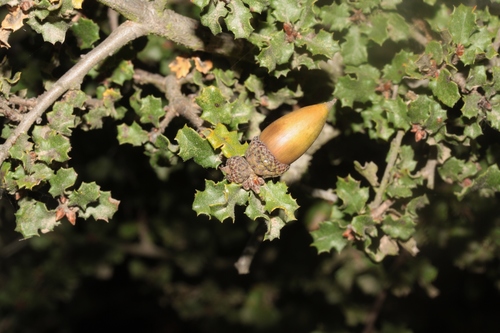
You might spot Nuttall's Scrub Oak and House Finch.
View guide →
Take the discovery with you
Snap it with Snappit to identify it, learn what makes it special, and add the discovery to your collection.








.jpg&width=800)



_001.jpg&width=800)



