





Hedgenettles
Stachys
Hedgenettles are lovely plants that grow in gardens and fields. They have soft, fuzzy leaves and pretty flowers that attract butterflies and bees.
Habitat: Grasslands
The Hedgenettles has often fuzzy, dark green leaves with a unique square stem. Its small, tubular flowers, often purple, pink, or white, grow in whorls around the stem, making it distinct from stinging nettles.
Category
PlantsRarity
Common
Danger
1/5 · Very low
Snaps
Be the first to snap!
Ancient people used parts of this plant to help heal small cuts and scrapes!
Did you know some Hedgenettles smell minty when you gently crush their leaves?
Its scientific name, Stachys, means 'ear of corn,' referring to its flower spikes!
Some kinds of Hedgenettles can grow fuzzy leaves softer than a lamb's ear!
Hedgenettles has square stems that help it stand strong and upright, even in windy weather, giving it extra stability.
Hedgenettles has soft, fuzzy leaves that protect it from too much sun and help save precious water in dry conditions.
Hedgenettles has leaves that look like stinging nettles but have no sting, letting animals brush past without harm.
Apis mellifera
visits flowers for nectar and pollen

Arvicola terrestris
eats its roots and tender shoots
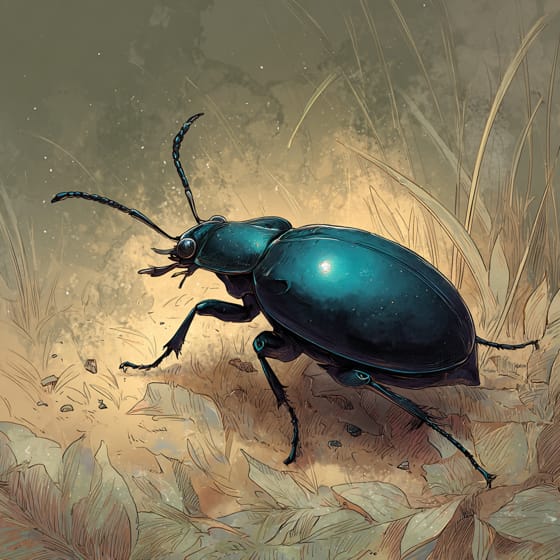
Carabus nemoralis
hides beneath its wide leaves
Furry describes animals possessing a dense covering of soft hair or fur.
Aromatic plants produce and emit fragrant volatile organic compounds, often for defense or to attract pollinators.
Flowering plants are any plants that produce flowers as part of their reproductive cycle.
Spring blooming plants produce their flowers during the spring season, often signifying the end of winter and the start of new growth.

Medicinal plants possess chemical compounds that can be used for therapeutic purposes to treat illnesses or maintain health.

Edible plants are those parts of a plant that are considered safe for human consumption.

Grassland habitats are terrestrial biomes dominated by grasses and herbaceous plants, supporting a variety of grazing animals.

Describes plants that are particularly attractive and beneficial to a wide range of pollinating organisms.
No aliases listed yet.
Danger
1/5 · Very low
Always check with an adult before touching or tasting any plants.
The easiest way to identify Hedgenettles is to use the Snappit nature identifier app.
30-100 cm
30-60 cm
1-2 cm
Summer
Yes
None
Perennial
Zoom in to split clusters and explore where this object has been snapped.
Recent snaps will appear here as new observations are added.
Take the discovery with you
Snap it with Snappit to identify it, learn what makes it special, and add the discovery to your collection.








.jpg&width=800)



_001.jpg&width=800)



