





Honey Locusts
gleditsia
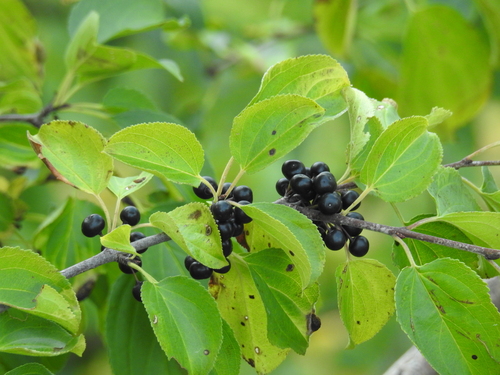
Honey Locusts are tall trees with beautiful, feathery leaves that dance in the wind. They produce long, flat pods that are a favorite snack for many animals!
Habitat: Honey Locusts thrive in open areas, fields, and along riverbanks.
The Honey Locust is a tall tree known for its distinctive long, sharp thorns on its trunk and branches, though thornless varieties exist. It has delicate, fern-like green leaves and produces long, leathery brown seed pods that can reach over a foot in length.
Category
PlantsRarity
Common
Danger
0/5 · No known danger
Snaps
Be the first to snap!
Honey Locust is often planted in cities because it tolerates pollution.
Its scientific name, Gleditsia, honors the German botanist Johann Gleditsch.
Native Americans used the sweet pod pulp as food and to make drinks.
Wild Honey Locust thorns can be up to 10 inches long!
Honey Locusts have formidable, sharp thorns that help them protect their trunk and branches from hungry animals.
Honey Locusts have long, sweet-pulped pods that encourage animals to eat and widely disperse their seeds.
Honey Locusts can thrive in many soil types and climates, helping it survive dry spells and grow almost anywhere.
Apis mellifera
Bees collect nectar and pollen from its small flowers.
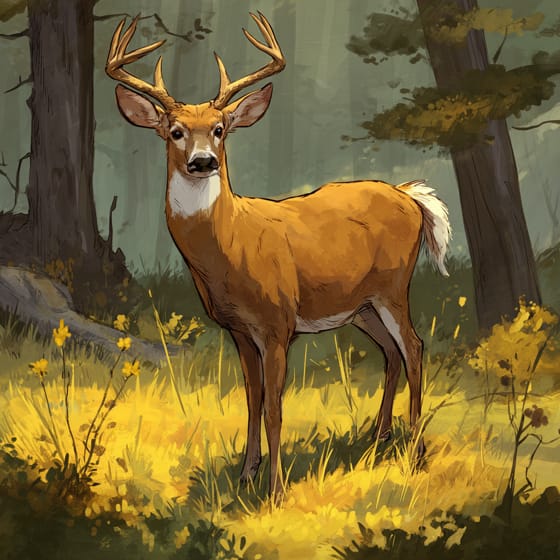
Odocoileus virginianus
Deer browse young branches and eat sweet pods.
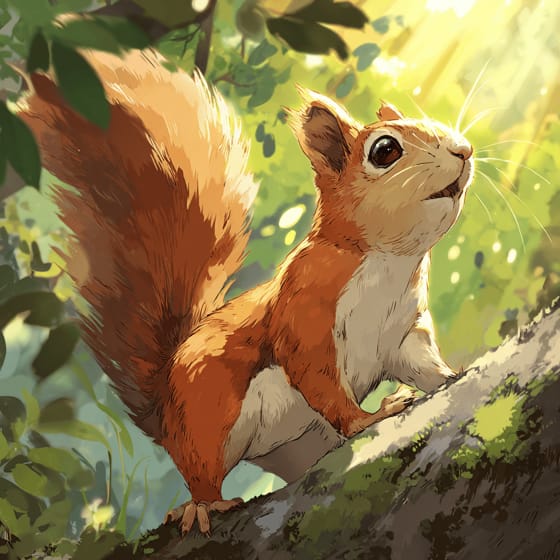
Sciurus carolinensis
Squirrels eat the seeds found inside the pods.
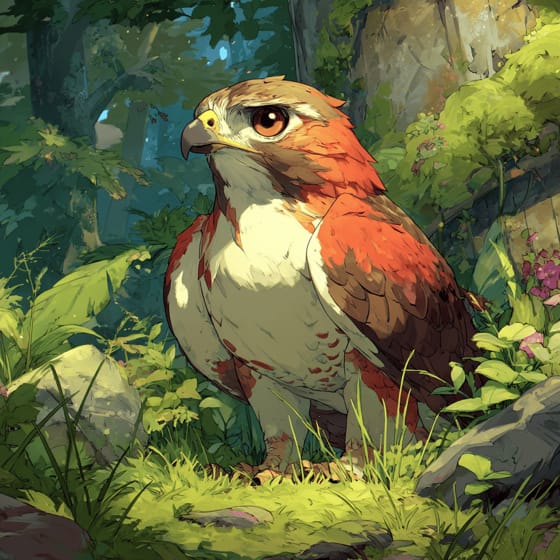
Buteo jamaicensis
Hawks build nests high in its sturdy branches.
Social animals live in organized groups, cooperating for survival benefits such as foraging, defense, and raising offspring.
Arboreal animals live primarily in trees, utilizing them for shelter, food, and protection from predators.
Colorful describes organisms or objects displaying a wide range of bright and distinct colors.
This trait characterizes organisms whose diet consists entirely or primarily of plant material.

Forest habitats are terrestrial environments dominated by dense tree cover, supporting a high diversity of plant and animal life.
Danger
0/5 · No known danger
No special safety notes yet.
The easiest way to identify Honey Locusts is to use the Snappit nature identifier app.
1500-4500 cm
1000-2000 cm
0.5-1 cm
Late_spring_to_early_summer
Yes
None
Perennial
Zoom in to split clusters and explore where this object has been snapped.
Recent snaps will appear here as new observations are added.
Take the discovery with you
Snap it with Snappit to identify it, learn what makes it special, and add the discovery to your collection.








.jpg&width=800)



_001.jpg&width=800)




