





lilac tasselflower
Emilia sonchifolia
The lilac tasselflower is a pretty plant with soft, fluffy purple flowers. It grows in sunny places and can be found in gardens and fields, bringing color to the world around us.
Habitat: Urban areas
The lilac tasselflower is a slender, upright plant featuring clusters of small, purplish-lilac flowers that resemble miniature tassels. Its smooth stems and slightly wavy, sometimes toothed, green leaves provide a simple backdrop to its vibrant, unique blooms.
Category
PlantsRarity
Common
Danger
1/5 · Very low
Snaps
1
Did you know this plant is sometimes called "Cupid's Shaving Brush" because of its fluffy, colorful flowers?
Even though it's beautiful, this quick-growing plant is considered a weed in many tropical countries!
Its flowers are not single blooms, but clusters of many tiny florets!
Its young leaves are eaten raw or cooked in parts of Asia, tasting a bit like spinach!
Lilac tasselflower has tiny seeds with feathery parachutes that catch the wind, helping it spread far and wide to new locations.
It can grow and produce seeds very quickly, allowing it to rapidly take over disturbed ground and open spaces.
Some cultures use its leaves and stems in traditional medicine to help soothe various ailments and irritations.
Apis mellifera
Collects nectar and pollen from its flowers.
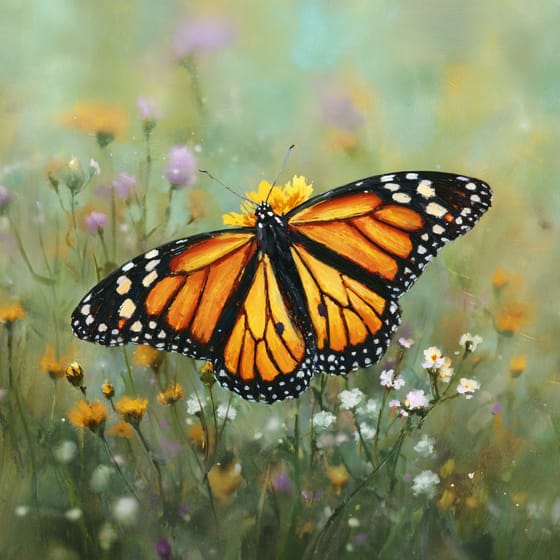
Danaus plexippus
Visits flowers for nectar.
Utetheisa pulchella
Its caterpillars feed on the leaves.
Flowering plants are any plants that produce flowers as part of their reproductive cycle.
Summer blooming plants produce their flowers during the summer season, often providing vibrant color when many other plants have finished.
Fragrant flowers emit a pleasant aroma, often to attract pollinators or for defense.
Colorful describes organisms or objects displaying a wide range of bright and distinct colors.

Describes plants that are particularly attractive and beneficial to a wide range of pollinating organisms.

Rapid growing plants exhibit accelerated growth rates, quickly increasing in size and biomass within a short period.

This habitat trait indicates species that can coexist with humans in urban and suburban environments, utilizing man-made structures and green spaces.
No aliases listed yet.
Danger
1/5 · Very low
Always look but don't touch flowers without asking an adult first.
The easiest way to identify lilac tasselflower is to use the Snappit nature identifier app.
20-60 cm
15-30 cm
0.5-1.5 cm
Year-round in warm climates, summer to fall elsewhere
Yes
None
Annual
Zoom in to split clusters and explore where this object has been snapped.
Take the discovery with you
Snap it with Snappit to identify it, learn what makes it special, and add the discovery to your collection.









.jpg&width=800)


_001.jpg&width=800)




