





Tropic Croton
croton glandulosus
The Tropic Croton has bright, colorful leaves that look like they were painted! This plant loves warm, sunny places and can grow quite tall.
Habitat: Tropical regions, often in gardens or alongside roads.
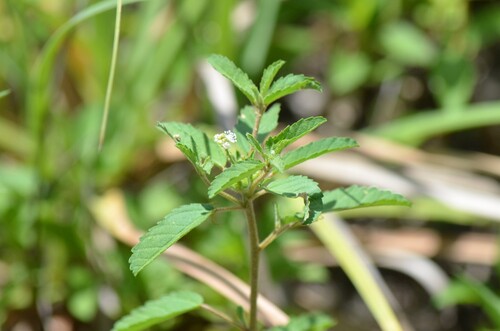
The Tropic Croton is a slender annual herb with rough, often reddish stems. Its leaves are typically green, sometimes tinged with red, and covered in star-shaped hairs, giving them a somewhat fuzzy appearance. Tiny, inconspicuous flowers cluster at the stem tips.
Category
PlantsRarity
Common
Danger
1/5 · Very low
Snaps
2
In some regions, this plant is seen as a sign of soil disturbance.
Its name comes from the Greek word for 'tick,' because its seeds look like tiny ticks!
This croton can grow from seed to flower in just a few weeks!
Tiny ants are sometimes attracted to special nectar glands on its leaves.
Tropic Croton has seed capsules that burst open when dry, flinging its seeds far from the parent plant to spread wide.
Tropic Croton has glandular hairs on its leaves and stems that can make them sticky, helping to deter small pests.
Tropic Croton can quickly colonize disturbed soils, growing fast to fill empty spaces before other plants arrive.
Apis mellifera
visits small flowers for nectar
Heliothis virescens
larvae feed on the leaves
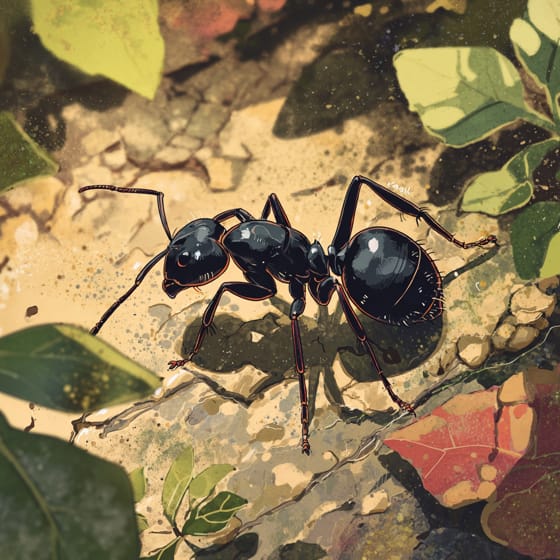
Lasius niger
disperses seeds that have elaiosomes
Social animals live in organized groups, cooperating for survival benefits such as foraging, defense, and raising offspring.
Arboreal animals live primarily in trees, utilizing them for shelter, food, and protection from predators.
Colorful describes organisms or objects displaying a wide range of bright and distinct colors.
This trait characterizes organisms whose diet consists entirely or primarily of plant material.

Forest habitats are terrestrial environments dominated by dense tree cover, supporting a high diversity of plant and animal life.
Danger
1/5 · Very low
The sap can be irritating to the skin, so wash hands after touching.
The easiest way to identify Tropic Croton is to use the Snappit nature identifier app.
10-70 cm
15-40 cm
0.2-0.5 cm
Spring-fall
No
Mild
Annual
Zoom in to split clusters and explore where this object has been snapped.
May 22, 2026
Butterfly WorldPhoto attribution
(c) Josiah Londerée, some rights reserved (CC BY)
License: CC BY 4.0 ↗
Image may be shown cropped inside the card frame.

Florida, US
You might spot Cuban Tree Frog, Cane Toad, and Bee.
View guide →

Alabama, US
You might spot Horned Passalus Beetle and American Sweetgum.
View guide →
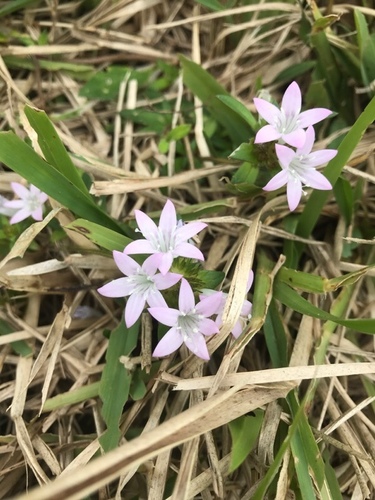
Florida, US
You might spot Largeflower Mexican Clover and Loggerhead Shrike.
View guide →
Take the discovery with you
Snap it with Snappit to identify it, learn what makes it special, and add the discovery to your collection.








.jpg&width=800)



_001.jpg&width=800)




