




Hooded × Carrion Crow
Corvus cornix × corone
The Hooded × Carrion Crow is a special bird that has a mix of black and gray feathers. These clever birds can be found in many places and are known for their intelligence and social behavior.
Habitat: Urban areas, coastal areas
The Hooded × Carrion Crow is a striking bird displaying a unique mix of its parents' plumage. Its body often shows a mottled or patchy appearance of black and dark grey, contrasting with fully black wings, head, and tail. This gives it a variable, often 'sooty' look.
Category
BirdsRarity
Common
Danger
2/5 · Low
Snaps
Be the first to snap!
A group of crows is called a 'murder' – a spooky name for smart birds!
Crows recognize human faces and can remember them for many years.
These clever birds learn to drop nuts onto roads so cars can crack them open!
They sometimes leave 'gifts' like shiny objects for people who feed them!
Hooded × Carrion Crow can copy sounds they hear, like car alarms, because of flexible vocal cords that help them blend in.
Hooded × Carrion Crow can figure out complex problems and use sticks as tools because of their large brains that help them find food.
Hooded × Carrion Crow has an amazing memory for faces, remembering both friendly and threatening humans, which helps them avoid danger.
A highly adaptable scavenger and hunter, eating almost anything they can find, from insects to carrion.
Age differences: Young chicks are fed mostly insects and soft foods by parents, then transition to adult omnivorous diet.
Accipiter gentilis
Hunts adult crows, especially younger birds.
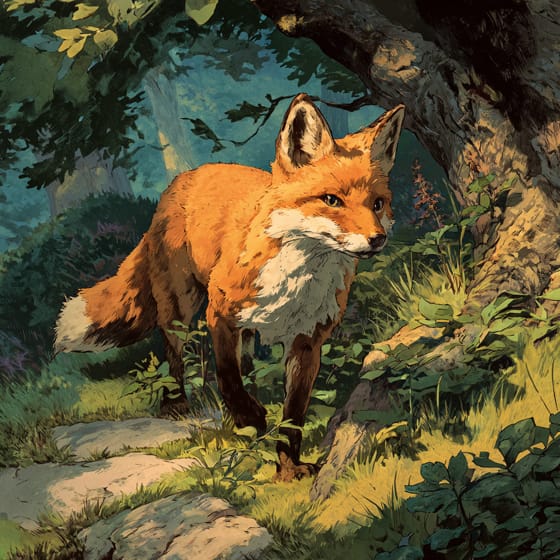
Vulpes vulpes
Preys on crow eggs and chicks in nests.
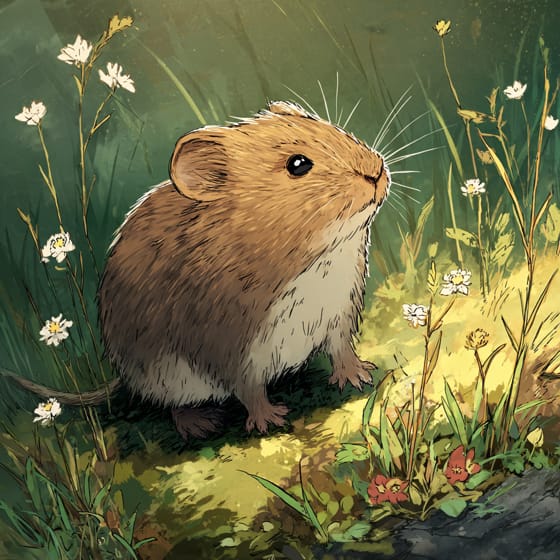
Microtus arvalis
Preys on small mammals like voles.
Apis mellifera
Feeds on insects, including foraging bees.
Feathered describes animals, primarily birds, possessing a covering of feathers.
Social animals live in organized groups, cooperating for survival benefits such as foraging, defense, and raising offspring.
This trait identifies organisms whose diet includes both plant and animal matter.
Scavengers consume dead organic matter, helping to decompose carcasses and other waste in the ecosystem.
This trait describes organisms that manipulate external objects to achieve a specific goal.

Coastal habitats are dynamic environments located along the interface between land and sea, influenced by tides, waves, and saltwater.

Diurnal animals are primarily active during daylight hours, typically resting or sleeping at night.

This habitat trait indicates species that can coexist with humans in urban and suburban environments, utilizing man-made structures and green spaces.
No aliases listed yet.
Danger
2/5 · Low
Watch from a distance and don't feed wild birds, as they need to find their own food.
The easiest way to identify Hooded × Carrion Crow is to use the Snappit nature identifier app.
48-52 cm
90-100 cm
0.4-0.6 kg
10-15 years
55 km/h
A highly adaptable scavenger and hunter, eating almost anything they can find, from insects to carrion.
Urban areas, coastal areas
Zoom in to split clusters and explore where this object has been snapped.
Recent snaps will appear here as new observations are added.
Take the discovery with you
Snap it with Snappit to identify it, learn what makes it special, and add the discovery to your collection.




.jpg&width=800)









