





horseweed
Erigeron canadensis
Horseweed is a tall plant that grows in fields and along roadsides. It has small, fluffy flowers that look like little daisies and can be found in many places during the summer.
Habitat: Grasslands
The horseweed is a tall, slender plant with an unbranched stem covered in many narrow, hairy leaves that spiral upwards. Its tiny, whitish-green flowers grow in clusters at the very top, giving it a somewhat scruffy, upright appearance.
Category
PlantsRarity
Common
Danger
1/5 · Very low
Snaps
26
Farmers don't love it, as it's a very common weed in crop fields!
It’s a super-colonizer, often the very first plant to grow in disturbed ground!
Long ago, Native Americans used horseweed for upset stomachs and other remedies!
Some studies show it can help clean up polluted soil by absorbing metals!
Horseweed has tiny, parachute-like seeds that catch the wind, helping it spread far and wide and colonize new spots quickly.
Horseweed can release chemicals into the soil, which helps it compete by making it harder for other plants to grow nearby.
Horseweed has deep roots that help it find water, allowing it to survive and thrive even in dry or disturbed environments.
Apis mellifera
Visits tiny flowers for nectar and pollen.
Lygus lineolaris
Feeds on sap and plant tissues.
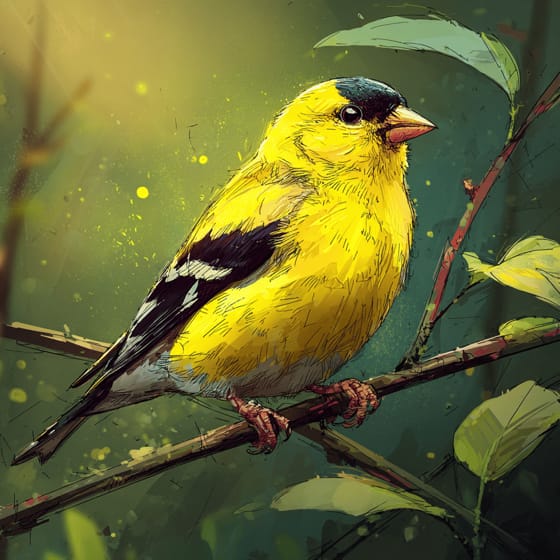
Carduelis tristis
Eats its small seeds in fall and winter.
Flowering plants are any plants that produce flowers as part of their reproductive cycle.
Biennial plants complete their life cycle over two growing seasons, typically forming foliage in the first year and flowering/seeding in the second.
Summer blooming plants produce their flowers during the summer season, often providing vibrant color when many other plants have finished.
Drought-tolerant plants can survive and flourish in conditions with limited water availability.

Grassland habitats are terrestrial biomes dominated by grasses and herbaceous plants, supporting a variety of grazing animals.

Describes plants that are particularly attractive and beneficial to a wide range of pollinating organisms.

Rapid growing plants exhibit accelerated growth rates, quickly increasing in size and biomass within a short period.
Danger
1/5 · Very low
Always look but don't touch wild plants unless a grown-up says it's okay.
The easiest way to identify horseweed is to use the Snappit nature identifier app.
30-200 cm
15-30 cm
0.2-0.5 cm
Summer to fall
Yes
None
Annual
Zoom in to split clusters and explore where this object has been snapped.

Massachusetts, US
You might spot Common Eastern Bumble Bee and Asian Lady Beetle.
View guide →

New York, US
You might spot Rock Pigeon, American Robin, and Spotted Lanternfly.
View guide →
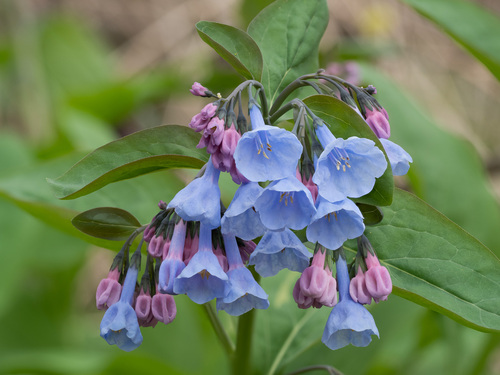
Virginia, US
You might spot Virginia Bluebells and Virginia Springbeauty.
View guide →

Pennsylvania, US
You might spot Spotted Lanternfly, Duck, and Asian Lady Beetle.
View guide →

Washington, US
You might spot Bigleaf Maple, Mule Deer, and Oregon Grape.
View guide →
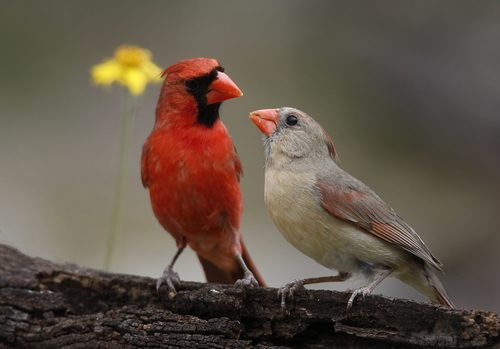
Virginia, US
You might spot Northern Cardinal and Eastern Gray Squirrel.
View guide →
Take the discovery with you
Snap it with Snappit to identify it, learn what makes it special, and add the discovery to your collection.








.jpg&width=800)



_001.jpg&width=800)




