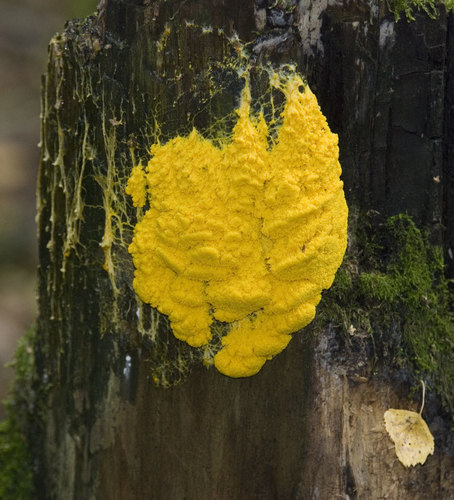
Duck

Experience the only continuously intact towpath canal from the 19th century in the Delaware Canal State Park.
Experience the only continuously intact towpath canal from the 19th century in the Delaware Canal State Park. This 59-mile linear park winds gracefully alongside the majestic Delaware River, inviting visitors to step back in time and connect with nature. Recognized as a National Historic Landmark and a National Recreation Trail, the park offers a serene escape, preserving a vital piece of Pennsylvania's industrial past while providing a haven for diverse flora and fauna.
Throughout its extensive length, the park showcases remarkable historical features including numerous well-preserved locks, impressive aqueducts like the Stoney Run Aqueduct, and charming stone bridges that crisscross the waterway. Beyond its historical significance, the canal corridor is a vibrant ecosystem. Birdwatchers can delight in spotting Bald Eagles, Great Blue Herons, and Ospreys soaring above or hunting in the waters, while lucky visitors might glimpse White-tailed Deer or elusive River Otters along the banks. The Nockamixon Cliffs natural area provides a dramatic backdrop and hosts unique plant communities, including the rare Roseroot, an arctic-alpine herb at its southernmost reach.
Whether you seek a tranquil stroll, an invigorating bike ride, or a journey through history, Delaware Canal State Park delivers an unforgettable experience. Its scenic beauty, combining riverside vistas, charming historic towns, and lush natural landscapes, makes it a perfect destination for outdoor enthusiasts and history buffs alike. Enjoy a peaceful paddle on the canal, try your hand at fishing, or simply relax and absorb the timeless ambiance that makes this park a true Pennsylvania treasure. Eager to name that creature? Identify any animal you find during your visit using the Snappit app.
The Delaware Division of the Pennsylvania Canal, today known as Delaware Canal State Park, was a monumental undertaking of the early 19th century. Construction began between 1827 and 1829, with the canal officially completed in 1832. Its primary purpose was to transport anthracite coal from the rich coalfields of the Lehigh Valley to bustling markets in Philadelphia and other eastern cities, playing a crucial role in the region's industrial development. For nearly a century, mule-drawn boats plied its waters, also carrying lumber, building stone, and agricultural products. Commercial operations on the canal ceased in 1931, marking the end of an era. The Commonwealth of Pennsylvania began acquiring sections of the canal shortly thereafter, taking full ownership of its 60-mile length by 1940. Initially designated Theodore Roosevelt State Park in the 1950s, it was later renamed Delaware Canal State Park in 1989. Its historical significance was formally recognized with its designation as a National Historic Landmark in 1976, and its towpath was named a National Recreation Trail, ensuring its preservation for future generations.
Hike or bike the historic towpath; paddle a canoe or kayak on the canal or river; fish for American shad, bass, or walleye; observe diverse wildlife including eagles, herons, and deer; explore charming historic towns along the route.
Spring: Witness wildflowers blooming along the banks and observe migratory birds and the American Shad run in the Delaware River.
Summer: Enjoy lush green landscapes, water activities like boating and fishing, and comfortable temperatures for early morning or late afternoon visits.
Fall: The canal corridor bursts with vibrant reds, oranges, and yellows of fall foliage, creating stunning photographic opportunities.
Winter: The snow-covered towpath is excellent for cross-country skiing, and sections of the canal, when safely frozen, attract ice skaters.
The towpath is largely flat with a crushed stone surface, making many sections suitable for strollers and some wheelchairs. Accessible parking and restrooms are available at specific locations, such as the park office and near Lock 11. Visitors should note that not all sections are fully accessible, with some areas having uneven terrain or stairs.
A 59-mile flat, crushed stone path perfect for walking, jogging, and biking, offering continuous scenic views.
Explore preserved structures such as the Stoney Run Aqueduct and numerous locks that managed water levels along the canal.
Provides insight into the canal's history and offers educational exhibits.
A unique experience that transports visitors back to the canal's heyday.
Each card links to a full Explore page with photos, traits, and fun facts.











































Start with the big picture, then zoom in to explore individual wildlife observations around this place.
Hydrate and Snack
Bring plenty of water and snacks, especially for longer hikes or bike rides, as facilities might be sparse along some sections of the 59-mile trail.
Check Conditions
Before your visit, check the park's official website or advisories for any trail closures, maintenance, or water level issues, especially after heavy rains.
Respect Private Property
The park corridor is narrow in many places. Please stay on the towpath and designated areas to respect adjacent private properties.
Wildlife Watching Gear
Pack binoculars for enhanced birdwatching opportunities and keep an eye out for diverse wildlife along the canal and river.
Sun and Bug Protection
Apply sunscreen and insect repellent, particularly during warmer months and in wooded areas.
Navigation Aids
Carry a physical map or download an offline trail app, as cell service can be unreliable in some parts of the park.
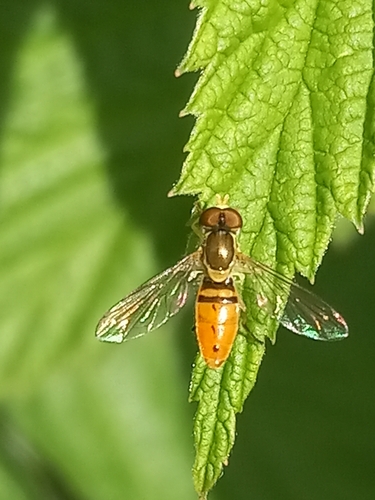
Jun 15, 2026
Photo attribution
(c) Aleks, some rights reserved (CC BY)
License: CC BY 4.0 ↗
Image may be shown cropped inside the card frame.
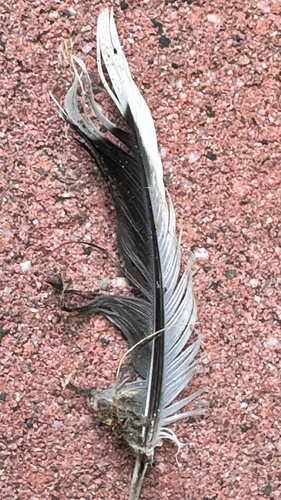
Jun 9, 2026
Photo attribution
(c) Christa Billias, some rights reserved (CC BY)
License: CC BY 4.0 ↗
Image may be shown cropped inside the card frame.
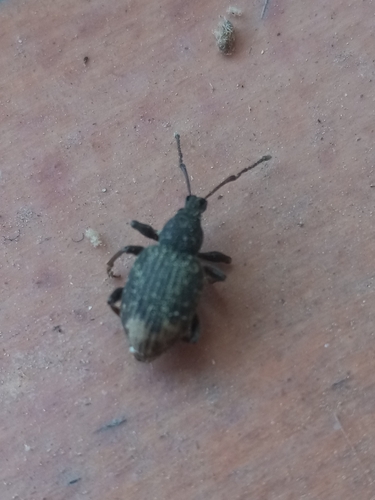
Jun 4, 2026
Photo attribution
(c) Aleks, some rights reserved (CC BY)
License: CC BY 4.0 ↗
Image may be shown cropped inside the card frame.
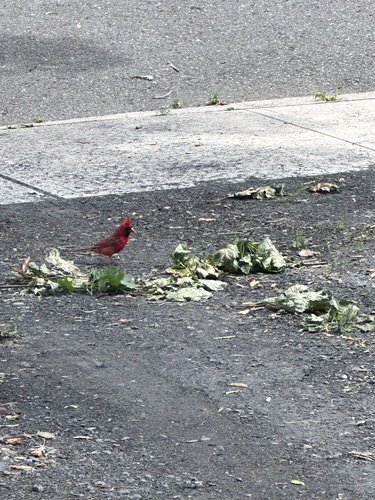
May 28, 2026
Photo attribution
(c) Christa Billias, some rights reserved (CC BY)
License: CC BY 4.0 ↗
Image may be shown cropped inside the card frame.
Jun 20, 2026

Maryland, US
You might spot White-Tailed Deer and Eastern Gray Squirrel.
View guide →
.jpg)
District of Columbia, US
You might spot Eastern Gray Squirrel, Duck, and House Sparrow.
View guide →

Illinois, US
You might spot American Robin, Canada Goose, and House Sparrow.
View guide →

Virginia, US
You might spot Spotted Lanternfly and Northern Cardinal.
View guide →
Take the discovery with you
Identify the wildlife you spot, learn as you go, and keep a collection of the adventure.