-_Female_at_Bharatpur_I_IMG_5336.jpg&width=800)





Ruddy Shelduck
Tadorna ferruginea
The Ruddy Shelduck is a beautiful bird with bright orange feathers and a cheerful personality. They love to swim in lakes and rivers and can often be seen waddling around on the shore.
Habitat: Wetlands
The Ruddy Shelduck is a striking waterfowl with a vibrant rusty-orange body and a paler, almost white head. Males have a narrow black neck ring during breeding season, contrasting with their black flight feathers and green speculum, making them visually distinct.
Category
BirdsRarity
Common
Danger
1/5 · Very low
Snaps
Be the first to snap!
A group of Shelducks has many names, like a 'raft' when on water or a 'brace' in flight.
Both Ruddy Shelduck parents fiercely guard their fluffy ducklings, even chasing away big eagles!
Ruddy Shelducks sometimes nest far from water, even in old buildings or tree holes!
They often undertake huge journeys, traveling thousands of miles to find perfect seasonal homes.
Ruddy Shelducks can fly at high altitudes over mountains because of their powerful wings and endurance, helping them reach distant breeding grounds.
Ruddy Shelducks often nest in tree holes or burrows because this unique choice provides excellent protection for their eggs and chicks from predators.
Ruddy Shelducks are highly vocal with loud, honking calls that help them communicate across distances and warn others of danger.
Ruddy Shelducks are omnivores, munching on plants, seeds, and small water creatures.
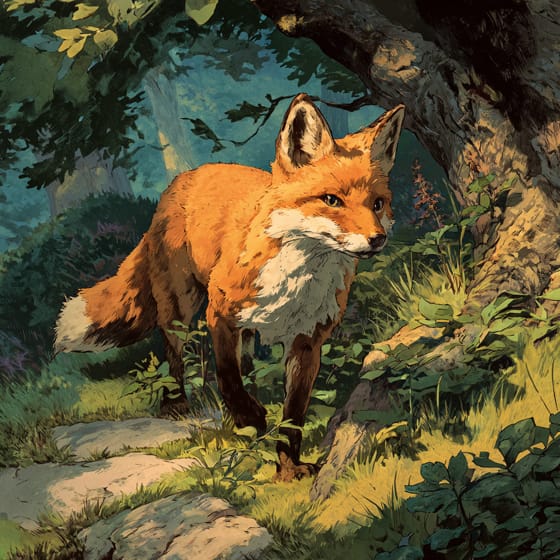
Vulpes vulpes
Preys on eggs, chicks, and sometimes adult shelducks.

Haliaeetus albicilla
Known to prey on various waterfowl, including shelducks.

Phragmites australis
Consumes seeds and shoots from this widespread wetland plant.
Chironomus plumosus
Forages for these tiny aquatic insect larvae in shallow waters.
Feathered describes animals, primarily birds, possessing a covering of feathers.
Social animals live in organized groups, cooperating for survival benefits such as foraging, defense, and raising offspring.
Colorful describes organisms or objects displaying a wide range of bright and distinct colors.
Filter feeders obtain nutrients by straining suspended food particles and small organisms from water.

This trait characterizes organisms whose diet consists entirely or primarily of plant material.

This habitat trait identifies species found in wetlands, which are areas of land saturated with water, either permanently or seasonally, including marshes, swamps, and bogs.

Diurnal animals are primarily active during daylight hours, typically resting or sleeping at night.

Freshwater habitats include non-saline aquatic environments such as rivers, lakes, ponds, and wetlands, vital for numerous species.

Aquatic habitats encompass environments where organisms live predominantly in water, including oceans, rivers, lakes, and wetlands.

Migratory animals undertake seasonal movements from one region to another, typically in response to changes in climate or food availability.
No aliases listed yet.
Danger
1/5 · Very low
Always watch birds from a distance and do not try to touch or feed them.
The easiest way to identify Ruddy Shelduck is to use the Snappit nature identifier app.
58-70 cm
110-135 cm
0.9-1.6 kg
10-15 years
65 km/h
Ruddy Shelducks are omnivores, munching on plants, seeds, and small water creatures.
Wetlands
Zoom in to split clusters and explore where this object has been snapped.
Recent snaps will appear here as new observations are added.
Take the discovery with you
Snap it with Snappit to identify it, learn what makes it special, and add the discovery to your collection.




.jpg&width=800)





