.jpg&width=800)





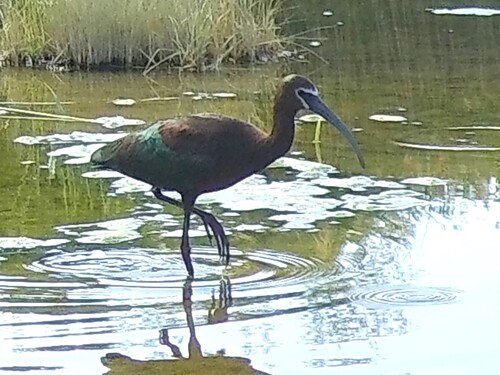
White-faced Ibis
Plegadis chihi
The White-faced Ibis is a beautiful bird with shiny feathers and a long, curved beak. They love to wade in shallow water and hunt for tasty insects and small fish.
Habitat: Wetlands
The White-faced Ibis has glossy, dark maroon-brown plumage with an iridescent sheen of green, bronze, and purple, most noticeable in sunlight. During breeding, it features a striking white feather border around its bare, red facial skin and bright red eyes, making it distinctive among other marsh birds.
Category
BirdsRarity
Common
Danger
1/5 · Very low
Snaps
7
Their legs and eyes turn bright red during breeding season, a stunning transformation!
They often forage alongside other wetland birds, sometimes even sharing nesting colonies.
This ibis makes a loud, grunting call that sounds surprisingly like a pig!
Young ibises look plain brown at first, completely different from their vibrant parents.
White-faced Ibises can probe deep into soft mud with their long, decurved beaks to find hidden prey.
This ibis has iridescent feathers that shimmer with spectacular green, bronze, and purple hues in bright sunlight.
White-faced Ibises have long legs and partially webbed feet that help them wade easily through shallow water and mud.
These birds use their curved beaks to find tasty insects, worms, and tiny aquatic animals.

Procyon lotor
Raccoons often raid nests for eggs and young chicks.
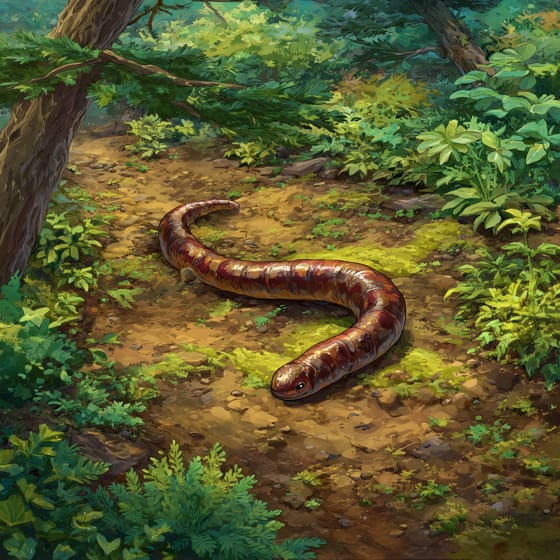
Lumbricus terrestris
The ibis probes soft soil and mud for these common worms.
Procambarus clarkii
They forage for these crustaceans in muddy wetland bottoms.

Aquila chrysaetos
Larger raptors occasionally prey on adult ibises.
Feathered describes animals, primarily birds, possessing a covering of feathers.
Social animals live in organized groups, cooperating for survival benefits such as foraging, defense, and raising offspring.
Aerial creatures spend a significant portion of their lives airborne, utilizing flight for various activities such as hunting, migration, or nesting.
Colorful describes organisms or objects displaying a wide range of bright and distinct colors.

This trait identifies organisms whose diet primarily consists of insects and other small invertebrates.

This habitat trait identifies species found in wetlands, which are areas of land saturated with water, either permanently or seasonally, including marshes, swamps, and bogs.

This trait identifies organisms whose diet consists entirely or primarily of animal tissue.

Describes a species whose presence and role have a disproportionately large effect on its environment.

Migratory animals undertake seasonal movements from one region to another, typically in response to changes in climate or food availability.
No aliases listed yet.
Danger
1/5 · Very low
Always watch birds from a distance to keep them safe and happy.
The easiest way to identify White-faced Ibis is to use the Snappit nature identifier app.
46-56 cm
90-97 cm
0.45-0.52 kg
1-14 years
45 km/h
These birds use their curved beaks to find tasty insects, worms, and tiny aquatic animals.
Wetlands
Zoom in to split clusters and explore where this object has been snapped.
May 29, 2026
Las Vegas High School Neighborhood Historic DistrictPhoto attribution
(c) Katrina Smith, some rights reserved (CC BY)
License: CC BY 4.0 ↗
Image may be shown cropped inside the card frame.
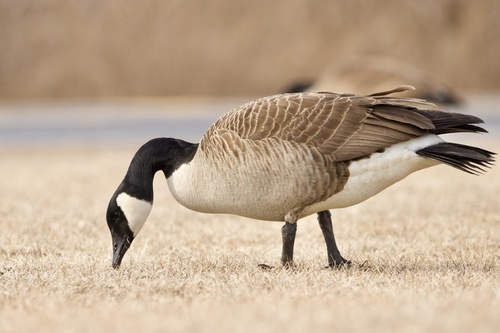
Nevada, US
You might spot Canada Goose, Antelope Bitterbrush, and Steller's Jay.
View guide →

Oregon, US
You might spot Mule Deer, Song Sparrow, and Northern Yellow Warbler.
View guide →

California, US
You might spot Iodinebush, Yerba Mansa, and Golden Gilmania.
View guide →

Nevada, US
You might spot Barbary Macaque, Chimpanzee, and African Lion.
View guide →

Kansas, US
You might spot African Elephant, Gorilla, and Panthera Pardus Orientalis.
View guide →

US
You might spot Great-Tailed Grackle, Duck, and Pond Slider.
View guide →
Take the discovery with you
Snap it with Snappit to identify it, learn what makes it special, and add the discovery to your collection.




.jpg&width=800)







