





White-eyed Vireo
Vireo griseus
The White-eyed Vireo is a small, lively bird with bright yellow sides and a distinctive white eye. They love to sing and can often be found hopping around in bushes and trees, looking for tasty insects to eat.
Habitat: Forests
The White-eyed Vireo is a small songbird with a key identifying feature: brilliant white eyes in adults. It has a yellowish wash on its flanks, two distinct pale wing bars, and yellow spectacles around its eyes.
Category
BirdsRarity
Common
Danger
1/5 · Very low
Snaps
12
Its complex song has many variations, including harsh notes!
Juvenile vireos have dark eyes before turning brilliant white.
These energetic birds frequently flick their tails while foraging.
They often build delicate, cup-shaped nests low to the ground.
White-eyed Vireo can hide in dense bushes while singing loudly because their calls are ventriloquial, making them hard to pinpoint.
White-eyed Vireo has keen eyesight that helps them spot tiny insects and spiders hidden in the leaves and branches for food.
White-eyed Vireo can quickly locate and consume small berries because their diet shifts to fruits during cooler months.
This little bird mostly munches on insects and spiders, but enjoys wild berries and fruits too!
.jpg&width=800)
Molothrus ater
lays eggs in vireo nests, often replacing their own.
Manduca sexta
feeds on caterpillars found on leaves and branches.

Accipiter striatus
a small raptor that preys on smaller birds like vireos.
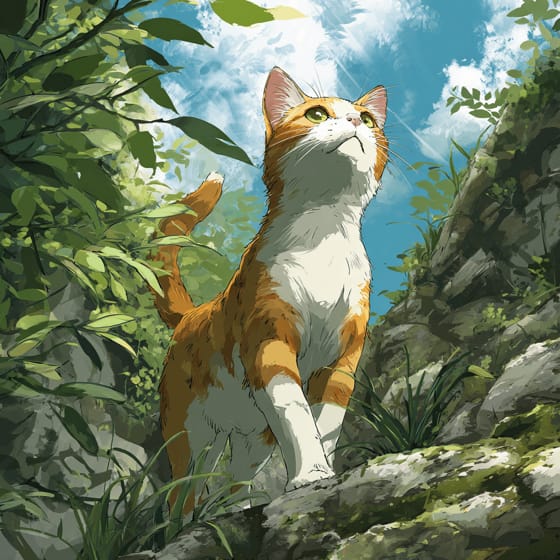
Felis catus
significant predator, especially near human settlements.
Feathered describes animals, primarily birds, possessing a covering of feathers.
Social animals live in organized groups, cooperating for survival benefits such as foraging, defense, and raising offspring.
Singing animals produce complex vocalizations, often for purposes of attracting mates, defending territory, or communicating within their species.
Arboreal animals live primarily in trees, utilizing them for shelter, food, and protection from predators.

This trait identifies organisms whose diet primarily consists of insects and other small invertebrates.

Forest habitats are terrestrial environments dominated by dense tree cover, supporting a high diversity of plant and animal life.

Diurnal animals are primarily active during daylight hours, typically resting or sleeping at night.
No aliases listed yet.
Danger
1/5 · Very low
Enjoy watching birds from a distance and be quiet so you don’t scare them away.
The easiest way to identify White-eyed Vireo is to use the Snappit nature identifier app.
11-13 cm
17-20 cm
0.01-0.018 kg
4-6 years
35 km/h
This little bird mostly munches on insects and spiders, but enjoys wild berries and fruits too!
Forests
Zoom in to split clusters and explore where this object has been snapped.

Alabama, US
You might spot Eastern Box Turtle, Carolina Wren, and Field Sparrow.
View guide →

Florida, US
You might spot American Alligator, Brown Anole, and Red-Shouldered Hawk.
View guide →

West Virginia, US
You might spot Spotted Lanternfly and Eastern Box Turtle.
View guide →

Ohio, US
You might spot Christmas Fern, Multiflora Rose, and American Beech.
View guide →

Texas, US
You might spot Black Vulture, Great Egret, and Gulf Fritillary.
View guide →

South Carolina, US
You might spot Northern Mockingbird, Yaupon Holly, and Heavenly Bamboo.
View guide →
Take the discovery with you
Snap it with Snappit to identify it, learn what makes it special, and add the discovery to your collection.




.jpg&width=800)








