





Isle of Wight Wave
Idaea humiliata
The Isle of Wight Wave is a small, colorful moth that loves to flutter around at night. Its beautiful patterns help it blend in with nature, making it a special sight to see!
Habitat: Coastal areas
The Isle of Wight Wave is a small, delicate moth, typically pale yellowish-brown with fine, wavy dark lines crossing its wings. It has a distinctive dark discal spot on both forewings and hindwings, setting it apart from other small geometrid moths.
Category
InsectsRarity
Common
Danger
1/5 · Very low
Snaps
Be the first to snap!
Female moths lay tiny eggs on food plants, kicking off new life.
Its caterpillars munch on dried plants, turning waste into energy!
The wavy lines on its wings inspired its 'Wave' name!
This moth loves marshy, damp places, a true wetland enthusiast!
Isle of Wight Wave has mottled wing patterns that help them blend perfectly with dry leaves and bark, avoiding hungry birds.
Isle of Wight Wave can fly and find food in the dark because of its excellent sense of smell, guiding it to nectar sources.
Isle of Wight Wave can sense subtle vibrations in the air, which helps them detect approaching predators.
Adults sip nectar from flowers; caterpillars munch on dead leaves and plants.
Age differences: Adult moths drink nectar, while their caterpillars eat dead leaves and low-growing plants.
Myotis daubentonii
Bats hunt adult moths at night using echolocation.
%2C_Parc_de_Woluw%C3%A9%2C_Brussels_(13042792905).jpg&width=800)
Parus major
Birds snatch moths from vegetation during the day.
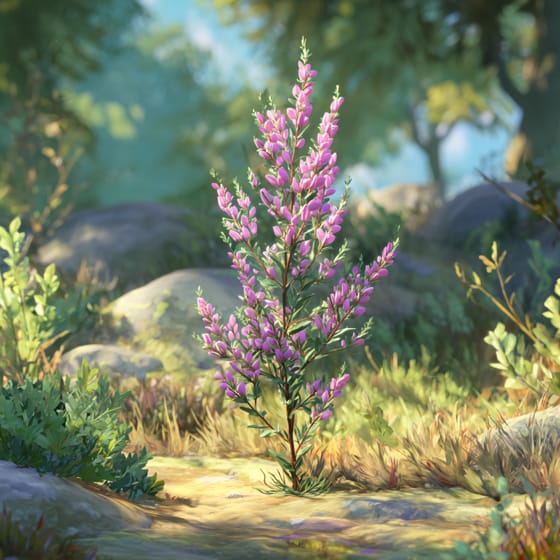
Calluna vulgaris
Adults visit heather flowers for nectar, aiding pollination.
Dactylis glomerata
Caterpillars feed on the dead leaves of various grasses.
Thymus serpyllum
Larvae are known to feed on dead leaves of wild thyme.
Solitary animals live alone for most of their lives, only interacting with others for mating or parental care.
Camouflaged describes organisms that possess coloring or patterns that allow them to blend into their environment.
Colorful describes organisms or objects displaying a wide range of bright and distinct colors.
This trait characterizes organisms whose diet consists entirely or primarily of plant material.

Coastal habitats are dynamic environments located along the interface between land and sea, influenced by tides, waves, and saltwater.

Nocturnal animals are primarily active during the nighttime hours, typically resting or sleeping during the day.

Describes organisms that transfer pollen, enabling the fertilization and reproduction of plants.
No aliases listed yet.
Danger
1/5 · Very low
Don't touch moths or insects without asking an adult first.
The easiest way to identify Isle of Wight Wave is to use the Snappit nature identifier app.
18-22 mm
7-10 mm
10-20 days
Adults sip nectar from flowers; caterpillars munch on dead leaves and plants.
Coastal areas
Foraging
6
Zoom in to split clusters and explore where this object has been snapped.
Recent snaps will appear here as new observations are added.
Take the discovery with you
Snap it with Snappit to identify it, learn what makes it special, and add the discovery to your collection.








.jpg&width=800)



