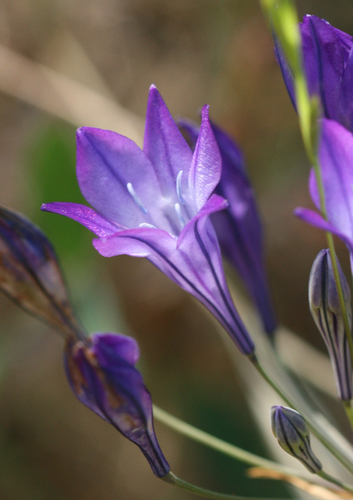


Ithuriel'S Spear
triteleia laxa
Ithuriel's Spear (Triteleia laxa) is a delightful wildflower native to California and Oregon. Emerging in late spring, it lights up grassy meadows, open woodlands, and coastal scrub with its beautiful, starry clusters of purple-blue blossoms. Named after the angel Ithuriel in John Milton's Paradise Lost—whose spear could expose deceit with a touch—this plant stands upright and proud, bearing an umbrella-like cluster of funnel-shaped flowers on a slender, leafless stem. Historically, the small, starchy corms of this plant were a valuable food source for Native American tribes, who roasted or boiled them for a sweet, potato-like flavor. Today, it is highly valued by gardeners for its drought tolerance and its ability to attract vital native pollinators.
Habitat: Typically found in grasslands, open oak woodlands, and chaparral habitats throughout California and southwestern Oregon, often growing in clay-heavy soils.
This herbaceous perennial features a tall, slender, leafless stalk rising 10 to 70 centimeters from an underground corm. At the top of the stalk sits a terminal, open, umbrella-like cluster of 10 to 40 funnel-shaped flowers. The blossoms range in color from pale violet-blue to deep purple, and occasionally white, each featuring six tepals with visible darker mid-veins running down the center. Its leaves are long, narrow, and grass-like, usually numbering only one or two, which often wither by the time the plant begins to bloom, leaving the starburst of flowers standing solo.
Category
PlantsRarity
Common
Danger
1/5 · Very low
Snaps
1
Indigenous peoples of California, such as the Miwok and Maidu, historically harvested the underground corms, cooking them in earth ovens to yield a sweet, nutritious food source.
Its long-lasting blooms and sturdy stems make it an exceptional cut flower, often lasting over a week in a vase.
The common name 'Ithuriel's Spear' is a reference to the angel Ithuriel from John Milton’s epic poem Paradise Lost.
The plant stores energy in underground corms that are protected from wildfires, allowing it to quickly resprout and bloom abundantly in post-burn environments.
To survive the hot, dry Mediterranean summers of its native range, it dies back completely to the ground, conserving water and energy until the autumn rains return.
The bright purple-blue, tubular blossoms are shaped perfectly to guide long-tongued bees and butterflies, ensuring highly efficient pollination.
As a photosynthetic plant, it generates its own food using sunlight, water, and carbon dioxide, while absorbing essential minerals from the soil.

Bombus vosnesenskii
Visited by bumble bees for nectar and pollen, aiding in pollination.
Odocoileus hemionus columbianus
The young foliage and emerging flowering stems are occasionally grazed by deer.

Thomomys bottae
Gophers burrow underground and consume the nutrient-rich starch-filled corms.
No trait badges are assigned for this object yet.
No aliases listed yet.
Collections for this object will appear here as more themes are added.
Danger
1/5 · Very low
No special safety notes yet.
The easiest way to identify Ithuriel'S Spear is to use the Snappit nature identifier app.
10-70 cm
3-10 years
As a photosynthetic plant, it generates its own food using sunlight, water, and carbon dioxide, while absorbing essential minerals from the soil.
Typically found in grasslands, open oak woodlands, and chaparral habitats throughout California and southwestern Oregon, often growing in clay-heavy soils.
Zoom in to split clusters and explore where this object has been snapped.

California, US
You might spot Gray Pine, Gambel Oak, and Caterpillar Scorpionweed.
View guide →

California, US
You might spot Western Fence Lizard and Acorn Woodpecker.
View guide →
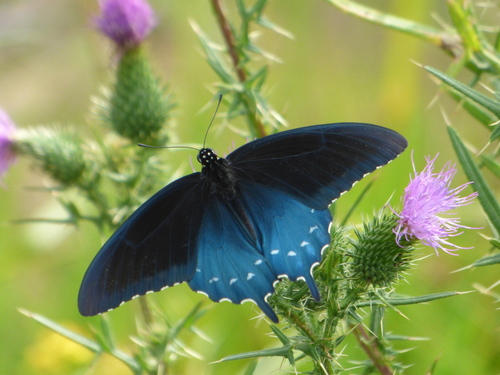
California, US
You might spot Pipevine Swallowtail and Western Fence Lizard.
View guide →
Take the discovery with you
Snap it with Snappit to identify it, learn what makes it special, and add the discovery to your collection.











.jpg&width=800)



_001.jpg&width=800)




