Pipevine Swallowtail
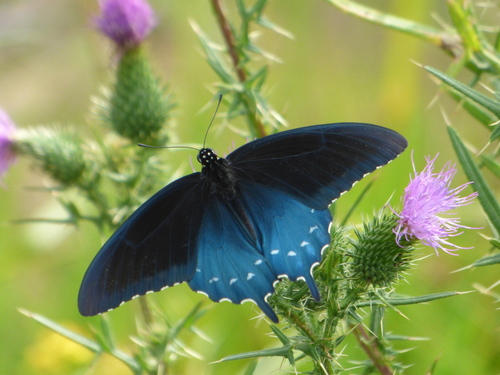
Putah Creek State Wildlife Area is a vibrant natural sanctuary offering diverse ecosystems for exploration.
Putah Creek State Wildlife Area is a vibrant natural sanctuary offering diverse ecosystems for exploration. This 673-acre preserve in Solano County, California, provides critical habitat for a wide array of flora and fauna, making it a prime destination for nature lovers and outdoor adventurers. It's a special place where the tranquility of riparian woodlands meets the rugged beauty of oak and chaparral hillsides, all centered around the renowned wild trout fishery of Putah Creek.
The wildlife area boasts a mosaic of habitats, including lush cottonwood riparian zones, expansive blue oak woodlands, and resilient chamise chaparral. These environments support an impressive diversity of species, from colorful birds like the California towhee, Bullock's oriole, and black-headed grosbeak to mammals such as deer, beaver, and river otters. The crystal-clear waters of Putah Creek are a highlight, renowned for their self-sustaining population of wild rainbow trout, drawing anglers from across the region to experience this exceptional catch-and-release fishery.
Visiting Putah Creek State Wildlife Area offers a memorable escape into California's natural heritage. Whether you're casting a line into the pristine creek, hiking through rolling hills, or simply observing the abundant birdlife, the area provides a profound connection to the outdoors. It's a testament to successful conservation efforts, inviting visitors to witness the resilience and beauty of a restored riparian ecosystem and the wildlife it sustains. Turn your visit into a safari! Use the Snappit app to scan and log wildlife sightings here.
The Putah Creek State Wildlife Area was established through dedicated conservation efforts. The property was acquired by the Wildlife Conservation Board in two transactions during 1978 and 1979. It was officially designated as a state wildlife area by the Fish and Game Commission in 1981, securing its future for wildlife protection and public recreation. Prior to its designation, the steep, rocky terrain was primarily used for cattle grazing. Putah Creek itself, which forms the heart of the wildlife area, has a long and storied past. Historically, it was known to the Lake Miwok Indigenous people as "puta wuwwe," meaning "grassy creek." The creek was once a vital steelhead spawning area, but the construction of Monticello Dam transformed it. Following a period of environmental concern and litigation, a significant water accord in 2000 helped establish permanent surface water flows, restoring the creek to a thriving wild trout fishery. The area has also experienced wildfires, including the Wragg fire in 2015 and the LNU Complex fire in 2020, but its ecosystems are adapted to such disturbances.
Engage in hiking on primitive trails, birdwatching, wildlife photography, and fishing (catch-and-release for trout). Seasonal hunting is permitted for certain game species. Observe the rich aquatic life, including various fish species, pond turtles, and possibly beaver or otter.
Winter: Cooler temperatures, potentially picturesque landscapes. Fishing is year-round, but some anglers voluntarily avoid November-February for trout spawning. Hunting is closed from January 31 until the opening of deer season.
Spring: Vibrant with new growth, wildflowers, and increased bird and mammal activity. Excellent trout fishing.
Summer: Can be very hot, making strenuous hiking challenging. Creek flows are typically higher. Good for terrestrial fly fishing.
Fall: Milder weather, making it ideal for hiking. Pre-spawn trout fishing is good. Look for changing foliage along the creek.
The core wildlife area is largely undeveloped with primitive trails. However, some Yolo County-maintained Putah Creek Park Sites offer improved accessibility. For instance, Putah Creek Park Site 4 features paved, universally accessible upland trails, picnic areas, a fishing platform, and nature overlook platforms with restrooms. Visitors should be aware that the main wildlife area has no facilities.
The primary highlights are the natural habitats themselves and the diverse wildlife they support. The wild rainbow trout fishery in Putah Creek is a major draw for anglers. Opportunities for birdwatching are exceptional, with species like California towhees, Bullock's orioles, and black-headed grosbeaks commonly sighted. Hiking through the blue oak woodlands and riparian zones provides scenic views and chances to spot deer and other mammals.
Each card links to a full Explore page with photos, traits, and fun facts.
Start with the big picture, then zoom in to explore individual wildlife observations around this place.
Check Regulations
Before visiting, especially if planning to fish or hunt, consult the California Department of Fish and Wildlife for current regulations, seasons, and any specific access requirements.
Be Prepared for Primitive Conditions
The main wildlife area has very few, if any, developed facilities. Bring plenty of water, snacks, sunscreen, and first-aid supplies.
Wear Appropriate Footwear
Trails can be steep and primitive. Sturdy hiking boots are recommended, and if fishing, waterproof wading boots with good grip are essential, as the creek bed can be slick.
Watch for Hazards
Be aware of natural hazards such as poison oak, rattlesnakes, and rapidly changing creek conditions, especially after rainfall.
Practice Leave No Trace
Pack out everything you pack in to help preserve the natural beauty of this wildlife area. Stay on established trails to aid ecosystem recovery, especially in areas affected by past fires.
Parking Caution
Exercise extreme caution when parking along Highway 128, as parking areas can be on sharp turns.
May 16, 2026
Photo attribution
(c) Seth Marshall, some rights reserved (CC BY)
License: CC BY 4.0 ↗
Image may be shown cropped inside the card frame.
May 16, 2026
Photo attribution
(c) Seth Marshall, some rights reserved (CC BY)
License: CC BY 4.0 ↗
Image may be shown cropped inside the card frame.
May 16, 2026
Photo attribution
(c) Seth Marshall, some rights reserved (CC BY)
License: CC BY 4.0 ↗
Image may be shown cropped inside the card frame.
May 16, 2026
Photo attribution
(c) Seth Marshall, some rights reserved (CC BY)
License: CC BY 4.0 ↗
Image may be shown cropped inside the card frame.
Jun 6, 2026

Maryland, US
You might spot White-Tailed Deer and Eastern Gray Squirrel.
View guide →
.jpg)
District of Columbia, US
You might spot Eastern Gray Squirrel, Duck, and House Sparrow.
View guide →

Illinois, US
You might spot American Robin, Canada Goose, and House Sparrow.
View guide →

Virginia, US
You might spot Spotted Lanternfly and Northern Cardinal.
View guide →
Take the discovery with you
Identify the wildlife you spot, learn as you go, and keep a collection of the adventure.