Pacific Tree Frog

Nestled in the picturesque foothills of California's Sierra Nevada, the San Joaquin Experimental Range (SJER) is a unique 4,500-acre outdoor research laboratory dedicated to understanding and preserving the delicate balance of the region's annual grass and oak woodland ecosystem.
Nestled in the picturesque foothills of California's Sierra Nevada, the San Joaquin Experimental Range (SJER) is a unique 4,500-acre outdoor research laboratory dedicated to understanding and preserving the delicate balance of the region's annual grass and oak woodland ecosystem. Established in 1934, it serves as a critical site for long-term ecological studies, offering an unparalleled glimpse into the dynamics of a Mediterranean climate landscape. Far from a typical park, SJER is a vibrant hub where scientists and students collaborate to unravel environmental mysteries, providing foundational knowledge for rangeland management and conservation efforts across California.
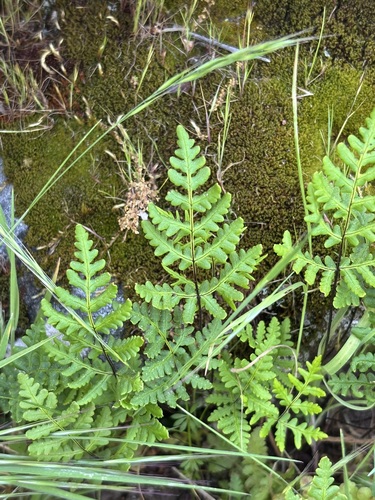
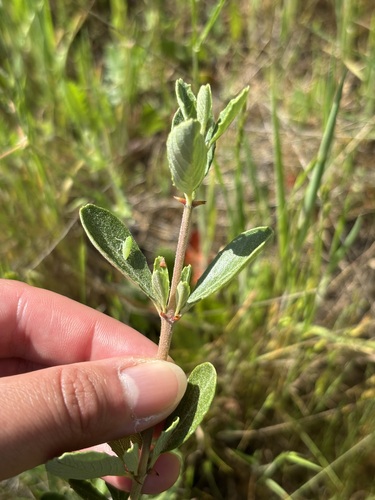
Among its distinctive features is the towering 39-meter NEON Flux Tower, a prominent instrument that continuously monitors atmospheric processes, offering vital data on climate and ecosystem health. The range also hosts a commercial cow-calf herd, providing a real-world setting for studies on livestock production and its ecological impact. Visitors with a scientific or educational interest can explore diverse habitats, from expansive annual grasslands dominated by species like wild oat and various brome grasses, to the iconic blue oak and interior live oak woodlands, interspersed with digger pines and California buckeye.
While not a conventional tourist destination, the San Joaquin Experimental Range offers an enriching experience for those passionate about ecology, conservation, and scientific discovery. It provides a rare opportunity to witness active research in progress and to appreciate the intricate relationships between flora, fauna, and human land use in a critical California ecosystem. The ongoing work here, including studies on abundant California ground squirrels, elusive bobcats, and native plants, makes it a memorable destination for educational and research-oriented visits. Explore the grounds like a pro—download the Snappit app to instantly identify animals and plants.
The San Joaquin Experimental Range was established in 1934, marking it as California's first range research station. Its initial purpose was to investigate cost-effective methods for livestock production and to monitor the effects of grazing on the native annual grass and oak woodland ecosystem. Over the decades, its research objectives have broadened significantly to encompass a wider array of ecological patterns and processes within this unique environment. Managed collaboratively by the Pacific Southwest Research Station of the U.S. Forest Service and California State University, Fresno's Agricultural Foundation, SJER has been instrumental in generating over 500 scientific publications. It has also hosted the National Ecological Observatory Network (NEON) since 2016, further solidifying its role as a key site for long-term environmental data collection and ecological research.
Engage in approved research activities, participate in educational programs, or observe the unique ecological features. Photography of the landscape, research infrastructure, and specific flora and fauna under study is possible with appropriate permissions.
Winters are mild and moist, while summers are hot and dry, with temperatures frequently exceeding 38°C (100°F). Vegetation is mostly dormant during the summer months.
General visitor information on accessibility is not readily available for this research facility. Access is typically for approved researchers and educators, who should coordinate specific needs with the site management.
A prominent 39-meter meteorological tower that is central to climate and ecosystem data collection.
An ungrazed and unburned section providing insight into a less-disturbed ecosystem since 1934.
Observe the cattle that are part of long-term livestock and rangeland management studies.
Explore areas dominated by blue oak, interior live oak, and digger pine.
Each card links to a full Explore page with photos, traits, and fun facts.
Start with the big picture, then zoom in to explore individual wildlife observations around this place.
Obtain permission
** As a research facility, ensure you have prior approval and understand any access restrictions before planning a visit.
Dress appropriately
Wear sturdy shoes and layered clothing suitable for varied terrain and weather, especially given the hot summers and cooler winters.
Bring water and sun protection
Especially during warmer months, carry ample water, a hat, and sunscreen, as the area can be exposed.
Focus on research themes
Tailor your visit to observe specific research plots, the NEON Flux Tower, or the managed livestock herd, which are key features of the range.
Respect the research
Do not disturb any equipment, marked plots, or experimental areas, as this can compromise long-term studies.
Bring binoculars/telephoto lens
For wildlife observation and photography, these will be beneficial given the expansive nature of the range.
Mar 15, 2026
Photo attribution
(c) Nina S. Zhao, some rights reserved (CC BY)
License: CC BY 4.0 ↗
Image may be shown cropped inside the card frame.
Mar 15, 2026
Photo attribution
(c) Nina S. Zhao, some rights reserved (CC BY)
License: CC BY 4.0 ↗
Image may be shown cropped inside the card frame.
Mar 15, 2026
Photo attribution
(c) Nina S. Zhao, some rights reserved (CC BY)
License: CC BY 4.0 ↗
Image may be shown cropped inside the card frame.
Mar 15, 2026
Photo attribution
(c) Nina S. Zhao, some rights reserved (CC BY)
License: CC BY 4.0 ↗
Image may be shown cropped inside the card frame.
Mar 15, 2026
Photo attribution
(c) Nina S. Zhao, some rights reserved (CC BY)
License: CC BY 4.0 ↗
Image may be shown cropped inside the card frame.

Maryland, US
You might spot White-Tailed Deer and Eastern Gray Squirrel.
View guide →
.jpg)
District of Columbia, US
You might spot Eastern Gray Squirrel, Duck, and House Sparrow.
View guide →

Illinois, US
You might spot American Robin, Canada Goose, and House Sparrow.
View guide →

Virginia, US
You might spot Spotted Lanternfly and Northern Cardinal.
View guide →
Take the discovery with you
Identify the wildlife you spot, learn as you go, and keep a collection of the adventure.