





Jack Snipe
Lymnocryptes minimus
The Jack Snipe is a small, secretive bird that loves to hide in wet grasslands and marshes. With its long bill and short tail, it can be tricky to spot, but it has a special way of moving that makes it unique!
Habitat: Wetlands
The Jack Snipe is a small, stocky wading bird with streaky brown plumage and a short bill. It has distinct pale stripes on its back and lacks a central crown stripe, differentiating it from other snipes.
Category
BirdsRarity
Common
Danger
1/5 · Very low
Snaps
Be the first to snap!
It can quickly hide by pressing itself flat against the ground.
Its short bill has a flexible tip, like tweezers, to grab buried snacks!
This tiny bird migrates thousands of kilometers to warmer places!
Unlike other snipes, the Jack Snipe is often completely silent!
Jack Snipe can blend perfectly with dense wetland vegetation because of its cryptic brown plumage.
Jack Snipe can fly in an erratic zigzag pattern that helps them escape from predators.
Jack Snipe has a specialized flexible bill tip that helps them find tiny invertebrates deep in the mud.
Jack Snipe can freeze perfectly still in place, often staying undetected by threats.
Jack Snipes use their special bills to probe mud for tiny invertebrates like worms and insect larvae.
.jpg&width=800)
Circus aeruginosus
Hunts waders in its wetland habitat.
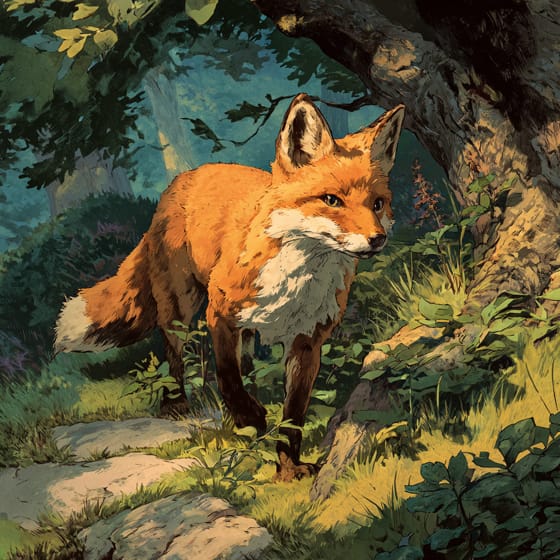
Vulpes vulpes
Preys on ground-nesting birds and their eggs.
Lumbricus terrestris
Probes mud to find these common invertebrates.
Chironomus plumosus
Feeds on these midge larvae in shallow water.
Feathered describes animals, primarily birds, possessing a covering of feathers.
Solitary animals live alone for most of their lives, only interacting with others for mating or parental care.
Camouflaged describes organisms that possess coloring or patterns that allow them to blend into their environment.
This trait identifies organisms whose diet primarily consists of insects and other small invertebrates.

This habitat trait identifies species found in wetlands, which are areas of land saturated with water, either permanently or seasonally, including marshes, swamps, and bogs.

Migratory animals undertake seasonal movements from one region to another, typically in response to changes in climate or food availability.

Nocturnal animals are primarily active during the nighttime hours, typically resting or sleeping during the day.

Endangered status indicates a species is at a very high risk of extinction in the wild in the near future.
No aliases listed yet.
Danger
1/5 · Very low
Always watch birds from a distance to avoid scaring them.
The easiest way to identify Jack Snipe is to use the Snappit nature identifier app.
18-25 cm
34-45 cm
0.03-0.07 kg
3-5 years
65 km/h
Jack Snipes use their special bills to probe mud for tiny invertebrates like worms and insect larvae.
Wetlands
Zoom in to split clusters and explore where this object has been snapped.
Recent snaps will appear here as new observations are added.
Take the discovery with you
Snap it with Snappit to identify it, learn what makes it special, and add the discovery to your collection.




.jpg&width=800)








