





Golden-crowned Sparrow
Zonotrichia atricapilla
The Golden-crowned Sparrow is a small bird with a bright yellow crown on its head. It loves to sing cheerful songs and can often be seen hopping around in bushes and grass.
Habitat: Urban areas
The Golden-crowned Sparrow has a striking bright yellow patch on its crown, bordered by distinct black stripes, giving it a regal look. Its face is a plain gray, contrasting with its streaky brown back and clean, unstreaked gray belly. This bold head pattern makes it easily identifiable among other sparrows.
Category
BirdsRarity
Common
Danger
1/5 · Very low
Snaps
2
Golden-crowned Sparrows fly thousands of miles from Alaska to California for winter vacation!
Sometimes, they'll forage upside-down on branches, showing off their acrobatic skills.
Their unique song sounds like 'Oh dear me,' making them quite easy to identify by sound alone.
They use both feet at once to scratch the ground for food, a move called 'double-scratching'!
Golden-crowned Sparrows can find hidden seeds and insects in cold weather, helping them survive chilly winters.
Golden-crowned Sparrows can migrate thousands of kilometers each year, finding their way to breeding and wintering grounds.
Golden-crowned Sparrows has a distinct three-note song that helps them communicate and define territory.
This sparrow enjoys a mixed diet of tasty seeds, berries, and insects all year round!
Age differences: Eats more protein-rich insects during breeding season and shifts to seeds in winter.
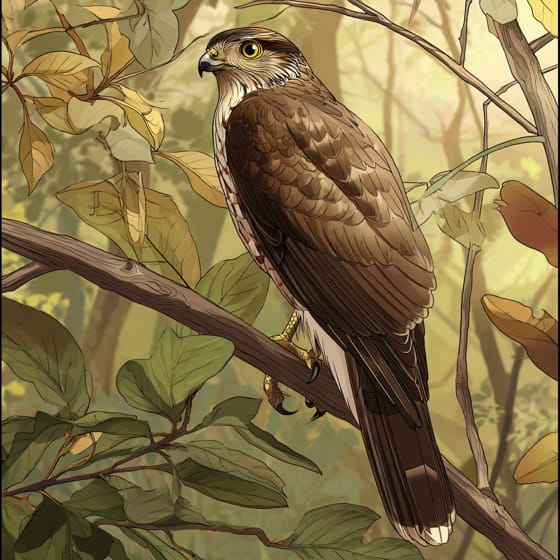
Accipiter cooperii
A swift hunter that preys on smaller birds like sparrows.
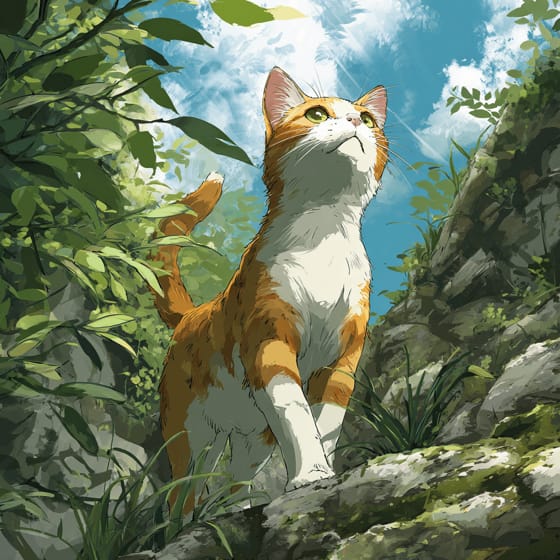
Felis catus
Domestic cats are common predators, especially in suburban areas.

Rubus spectabilis
Consumes the berries from this plant as a food source.
_Clock_-_Tennessee%2C_USA_-_May_31%2C_2014.jpg&width=800)
Taraxacum officinale
Feeds on the nutritious seeds of common dandelions.
Malacosoma americanum
Enjoys munching on caterpillars for protein, especially when breeding.
Feathered describes animals, primarily birds, possessing a covering of feathers.
Social animals live in organized groups, cooperating for survival benefits such as foraging, defense, and raising offspring.
Singing animals produce complex vocalizations, often for purposes of attracting mates, defending territory, or communicating within their species.
This trait identifies organisms whose diet primarily consists of insects and other small invertebrates.

Diurnal animals are primarily active during daylight hours, typically resting or sleeping at night.

This habitat trait indicates species that can coexist with humans in urban and suburban environments, utilizing man-made structures and green spaces.
No aliases listed yet.
Danger
1/5 · Very low
Enjoy watching birds from a distance, and don't try to touch them.
The easiest way to identify Golden-crowned Sparrow is to use the Snappit nature identifier app.
15-18 cm
23-28 cm
0.022-0.029 kg
2-7 years
45 km/h
This sparrow enjoys a mixed diet of tasty seeds, berries, and insects all year round!
Urban areas
Zoom in to split clusters and explore where this object has been snapped.

Iowa, US
You might spot Guelder-Rose, Prickly Cucumber, and Bluegill.
View guide →
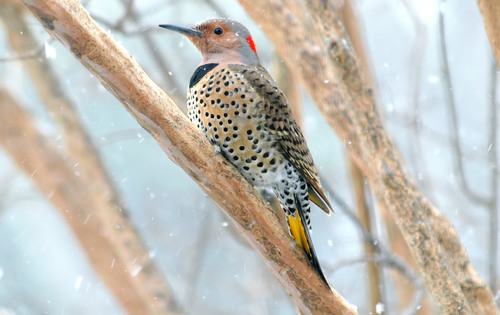
British Columbia, CA
You might spot Northern Flicker and Indian Peafowl.
View guide →

California, US
You might spot Elk, Northern Elephant Seal, and Button's Banana Slug.
View guide →
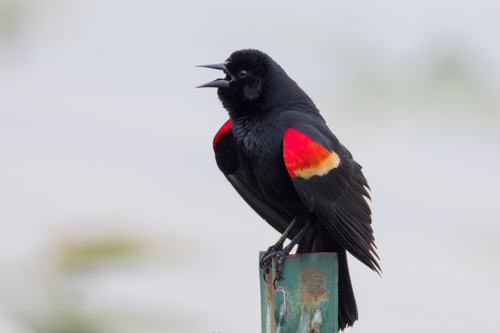
British Columbia, CA
You might spot Red-Winged Blackbird, Tree Swallow, and Great Blue Heron.
View guide →

California, US
You might spot California Wild Rose and California Wild Grape.
View guide →

California, US
You might spot Pacific Hound's Tongue, Pacific Trillium, and Redwood.
View guide →
Take the discovery with you
Snap it with Snappit to identify it, learn what makes it special, and add the discovery to your collection.




.jpg&width=800)









