_at_G%C3%B6teborgs_Naturhistoriska_Museum_8980.jpg&width=800)

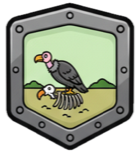



Gyps rueppelli
Gyps rueppelli
The Rüppell's griffon vulture is a large bird that soars high in the sky. It has a beautiful, fluffy neck and a wide wingspan, making it a spectacular sight as it glides over mountains and valleys.
Habitat: Mountain regions
The Gyps rueppelli is a large, shaggy-necked vulture with dark brown feathers and a pale, downy head. Its light underparts contrast with darker flight feathers, and it has a pale, horn-colored bill, making it look different from other dark vultures.
Category
BirdsRarity
Rare
Danger
1/5 · Very low
Snaps
Be the first to snap!
Rüppell's vultures build large stick nests on dangerous, inaccessible cliff faces.
Sometimes hundreds of these vultures gather at one big meal together!
Their powerful beaks are perfect for tearing tough hide off of dead animals.
These vultures can soar for hours without flapping their wings, saving energy!
Gyps rueppelli can fly over 11 kilometers high, allowing them to spot meals across vast African landscapes.
Gyps rueppelli has super strong stomach acid that destroys deadly bacteria found in rotting carcasses they eat.
Gyps rueppelli can digest small bone fragments, thanks to specialized enzymes, leaving very little waste behind.
These vultures are nature's clean-up crew, feasting on dead animals to keep the environment healthy.
Connochaetes taurinus
Consumes carcasses of these common African grazers.

Equus quagga
Feeds on dead zebras, especially after migrations.
Gazella thomsonii
Scavenges smaller dead gazelles, aiding ecosystem cleanup.
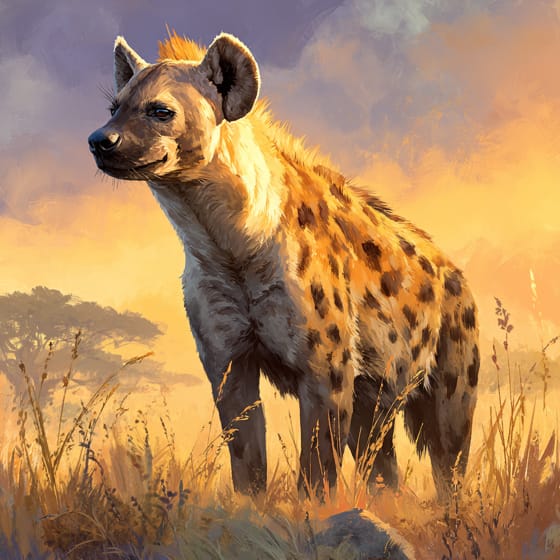
Crocuta crocuta
Competes for carrion but both help clear carcasses.
Aquila verreauxii
Eggs and young chicks can be prey for this powerful bird.
Feathered describes animals, primarily birds, possessing a covering of feathers.
Scavengers consume dead organic matter, helping to decompose carcasses and other waste in the ecosystem.
This habitat trait identifies species found in mountainous regions, characterized by high elevation, steep slopes, and varying climate zones.
This trait characterizes organisms with an exceptionally long lifespan compared to others of their kind.

This trait identifies organisms whose diet consists entirely or primarily of animal tissue.

Diurnal animals are primarily active during daylight hours, typically resting or sleeping at night.

Migratory animals undertake seasonal movements from one region to another, typically in response to changes in climate or food availability.

Endangered status indicates a species is at a very high risk of extinction in the wild in the near future.
Danger
1/5 · Very low
Always watch birds from a distance and never try to touch them.
The easiest way to identify Gyps rueppelli is to use the Snappit nature identifier app.
90-110 cm
260-280 cm
6.4-9 kg
20-30 years
35 km/h
These vultures are nature's clean-up crew, feasting on dead animals to keep the environment healthy.
Mountain regions
Zoom in to split clusters and explore where this object has been snapped.
Recent snaps will appear here as new observations are added.
Take the discovery with you
Snap it with Snappit to identify it, learn what makes it special, and add the discovery to your collection.




.jpg&width=800)








