





Jamaican fruit bat
Artibeus jamaicensis
The Jamaican fruit bat is a friendly bat that loves to eat fruits! They help plants grow by spreading seeds when they fly around at night.
Habitat: Forests
The Jamaican fruit bat has soft, dark brown fur with two distinct white stripes on its face, one above and one below each eye. It features a prominent, leaf-shaped nose and lacks a visible tail, making its body appear compact.
Category
MammalsRarity
Common
Danger
2/5 · Low
Snaps
Be the first to snap!
These bats carry fruit far, even pieces heavier than their own body!
They don't have a tail, making them look extra round when flying!
They often live in large groups of hundreds inside caves or big trees!
They spit out fruit pulp, leaving behind neat little juice-less pellets!
Jamaican fruit bat can spread seeds because they eat many fruits, helping new plants grow in the forest.
Jamaican fruit bat has an excellent sense of smell that helps them sniff out the ripest fruits in the dark jungle.
Jamaican fruit bat can fly accurately at night, even with lots of trees, using both good eyesight and echolocation.
These bats love to munch on tasty tropical fruits, and also sip on nectar and pollen!
Ficus americana
Spreads seeds, helping this fig tree grow new plants.
Mangifera indica
Disperses seeds, helping the delicious mango tree spread.
Ceiba pentandra
Helps this giant tree make seeds by visiting its flowers.
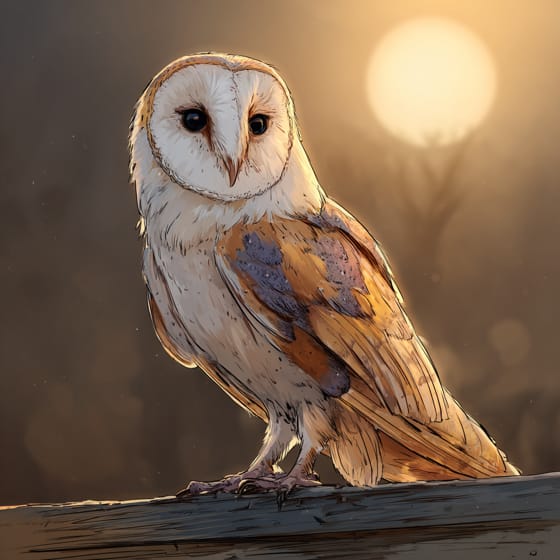
Tyto alba
Can become a nighttime snack for this silent hunter.
Furry describes animals possessing a dense covering of soft hair or fur.
Social animals live in organized groups, cooperating for survival benefits such as foraging, defense, and raising offspring.
This trait characterizes organisms whose diet consists entirely or primarily of plant material.
Echolocation is a biological sonar used by animals to navigate, hunt, and communicate by emitting sound waves and interpreting the echoes.

Forest habitats are terrestrial environments dominated by dense tree cover, supporting a high diversity of plant and animal life.

Describes a species whose presence and role have a disproportionately large effect on its environment.

Nocturnal animals are primarily active during the nighttime hours, typically resting or sleeping during the day.

Describes organisms that transfer pollen, enabling the fertilization and reproduction of plants.
No aliases listed yet.
Danger
2/5 · Low
Bats are usually shy and won't bother you, but it's best to watch them from a distance.
The easiest way to identify Jamaican fruit bat is to use the Snappit nature identifier app.
7-10 cm
35-45 cm
0.04-0.06 kg
5-9 years
45 km/h
These bats love to munch on tasty tropical fruits, and also sip on nectar and pollen!
Forests
Zoom in to split clusters and explore where this object has been snapped.
Recent snaps will appear here as new observations are added.
Take the discovery with you
Snap it with Snappit to identify it, learn what makes it special, and add the discovery to your collection.




.jpg&width=800)


.JPG&width=800)


.jpg&width=800)
