





Japanese cheesewood
Pittosporum tobira
Japanese cheesewood is a lovely shrub with shiny leaves and sweet-smelling flowers. It can grow tall and is often used in gardens to make them beautiful and fragrant.
Habitat: Urban areas
The Japanese cheesewood is an evergreen shrub with dense, glossy, leathery leaves that are dark green, sometimes variegated with yellow or white edges. It has clusters of small, star-shaped flowers that bloom in late spring, starting white and turning creamy yellow. Its overall shape is typically mounding and compact.
Category
PlantsRarity
Common
Danger
2/5 · Low
Snaps
Be the first to snap!
After flowering, it grows fuzzy green fruits that eventually split open to show bright red, sticky seeds inside!
In some places, people have used its flexible branches to weave strong and beautiful baskets!
Its starry flowers start pure white, then slowly change to a creamy yellow color as they mature!
The 'cheesewood' name might come from its pale, cheeselike wood or its sweet-smelling flowers!
Japanese cheesewood has tough, waxy leaves that resist salty sea winds, helping it thrive in coastal environments.
Its thick, leathery leaves help the Japanese cheesewood store water and reduce loss, allowing it to endure dry spells.
The Japanese cheesewood keeps its shiny green leaves all year round, so it can make food and grow even in winter.
Japanese cheesewood releases a sweet, citrusy scent from its flowers, acting like a perfume to attract pollinating insects.
Apis mellifera
Attracted by fragrant flowers
Icerya purchasi
Sucks sap from stems/leaves
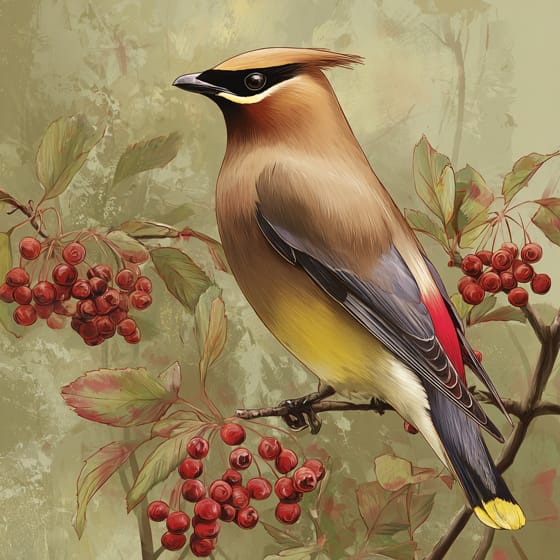
Bombycilla cedrorum
May consume its seeds/fruits

Rattus rattus
Feeds on seeds and fruits
Aromatic plants produce and emit fragrant volatile organic compounds, often for defense or to attract pollinators.
Flowering plants are any plants that produce flowers as part of their reproductive cycle.
A shrub is a woody plant smaller than a tree, typically with multiple stems branching from or near the ground.
Pertaining to plants with leaves or petals exhibiting different colors in patches or stripes.

Evergreen plants retain their foliage throughout the year, never shedding all their leaves at once.

Fragrant flowers emit a pleasant aroma, often to attract pollinators or for defense.

Describes plants that are particularly attractive and beneficial to a wide range of pollinating organisms.

This habitat trait indicates species that can coexist with humans in urban and suburban environments, utilizing man-made structures and green spaces.
No aliases listed yet.
Danger
2/5 · Low
Do not eat any part of the plant, as it can make you feel sick.
The easiest way to identify Japanese cheesewood is to use the Snappit nature identifier app.
200-500 cm
200-600 cm
0.5-1 cm
Late spring to early summer
No
Mild
Perennial
Zoom in to split clusters and explore where this object has been snapped.
Recent snaps will appear here as new observations are added.
Take the discovery with you
Snap it with Snappit to identify it, learn what makes it special, and add the discovery to your collection.








.jpg&width=800)


_001.jpg&width=800)



