





Tall Goldenrod
solidago altissima
Tall Goldenrod is a bright yellow flower that stands tall and proud in fields. It's a favorite for bees and butterflies who love to visit its blooms!
Habitat: Tall Goldenrod typically grows in fields, meadows, and along roadsides.
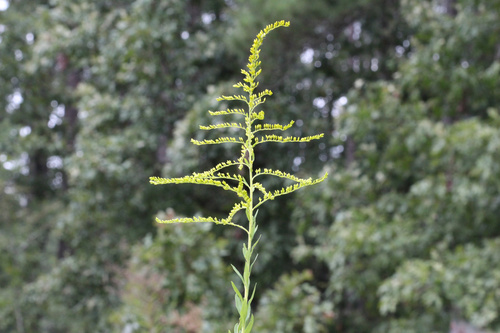
The Tall Goldenrod has a single, stout stem topped with a dense, pyramidal cluster of tiny, bright golden-yellow flowers. Its long, lance-shaped leaves are serrated, distinguishing it from similar prairie plants by its impressive height and vibrant yellow plume.
Category
PlantsRarity
Common
Danger
0/5 · No known danger
Snaps
5
Goldenrod doesn't cause hay fever; its pollen is too heavy to blow in the wind!
Its bright yellow flowers were used long ago to make natural yellow dyes.
Some tiny flies make weird, round galls on its stems for shelter.
Thomas Edison once experimented with goldenrod to make rubber!
Tall Goldenrod can spread widely underground using strong rhizomes, helping it colonize open areas and form large colonies quickly.
Tall Goldenrod has abundant, nectar-rich flowers that attract a huge variety of beneficial insects, especially in late season.
Tall Goldenrod can release chemicals from its roots that make it harder for other plants to grow nearby, giving it an advantage.
Apis mellifera
provides abundant nectar and pollen
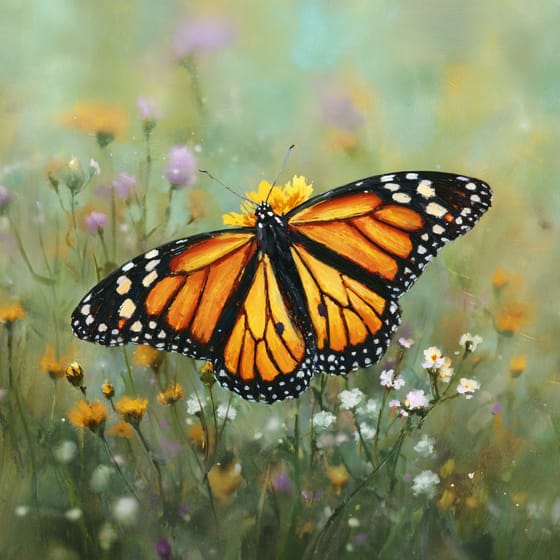
Danaus plexippus
relies on its nectar during migration
Eurosta solidaginis
larvae develop inside galls on its stem
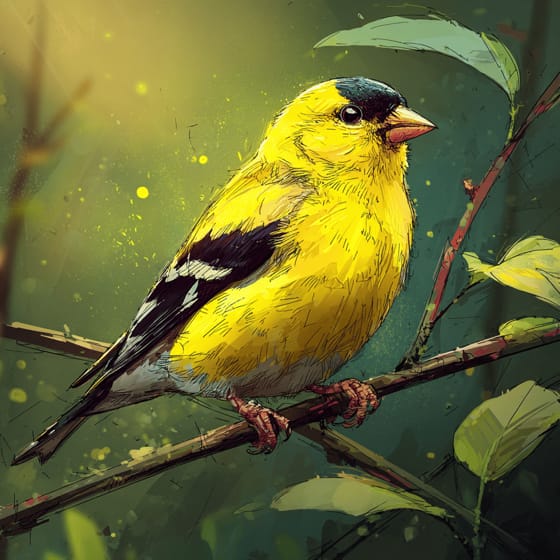
Carduelis tristis
eats its abundant seeds in winter
Colorful describes organisms or objects displaying a wide range of bright and distinct colors.
Grassland habitats are terrestrial biomes dominated by grasses and herbaceous plants, supporting a variety of grazing animals.
This trait characterizes organisms whose diet consists entirely or primarily of plant material.
Diurnal animals are primarily active during daylight hours, typically resting or sleeping at night.

Describes organisms that transfer pollen, enabling the fertilization and reproduction of plants.
Danger
0/5 · No known danger
No special safety notes yet.
The easiest way to identify Tall Goldenrod is to use the Snappit nature identifier app.
60-250 cm
30-90 cm
0.2-0.5 cm
Late summer to fall
Yes
None
Perennial
Zoom in to split clusters and explore where this object has been snapped.
Sep 5, 2024
Harrell Prairie Botanical AreaPhoto attribution
(c) Samuel A Schmid, PhD, PWS, some rights reserved (CC BY)
License: CC BY 4.0 ↗
Image may be shown cropped inside the card frame.

Ohio, US
You might spot Brown-Belted Bumble Bee and Eastern Carpenter Bee.
View guide →

Ohio, US
You might spot Spotted Lanternfly, Virginia Springbeauty, and Blue Phlox.
View guide →

Virginia, US
You might spot Eastern Box Turtle and Carolina Horsenettle.
View guide →
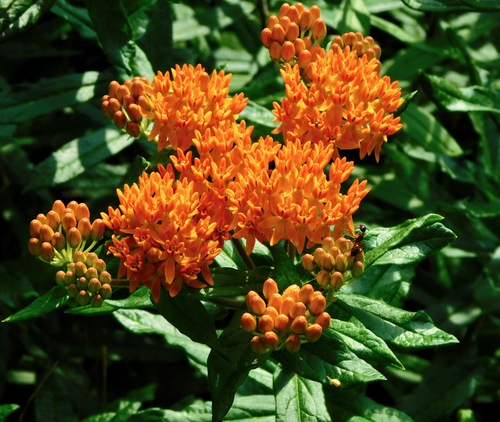
Mississippi, US
You might spot Butterfly Milkweed, Rattlesnake Master, and Yellow Puff.
View guide →

Alabama, US
You might spot Horned Passalus Beetle and American Sweetgum.
View guide →

South Carolina, US
You might spot American Alligator and Rare Skipper.
View guide →
Take the discovery with you
Snap it with Snappit to identify it, learn what makes it special, and add the discovery to your collection.









.jpg&width=800)



_001.jpg&width=800)




