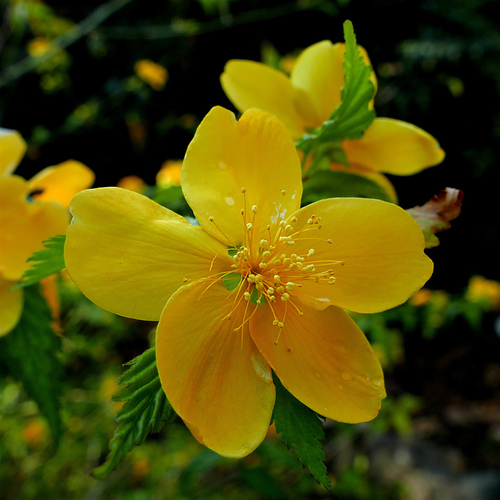


Japanese Kerria
kerria japonica
Japanese Kerria is a beautiful, deciduous shrub in the rose family Rosaceae, native to the mountain valleys of China and Japan. Known for its arching, slender, bright green stems, this hardy plant brings exceptional year-round interest to woodland edges and gardens alike. In mid to late spring, it bursts into a spectacular display of bright golden-yellow flowers that resemble miniature wild roses, providing an early source of nectar for pollinators. Historically cherished in Japanese culture, where it is known as 'Yamabuki', this resilient shrub is exceptionally shade-tolerant, spreading via underground runners to form attractive, dense thickets.
Habitat: Found in moist mountain thickets, valleys, and forest margins, often along streamsides or within damp woodland settings.
This deciduous shrub reaches 100 to 300 centimeters in height, characterized by its distinctive arching, zig-zag, bright-green stems that remain green throughout the winter. Its leaves are alternate, simple, ovate-lanceolate, and sharply doubly-serrated with prominent veins, turning a soft yellow in autumn. The flowers are solitary, 3 to 5 centimeters across, with five bright golden-yellow petals, though cultivated double-flowered varieties feature dense, pom-pom-like blooms.
Category
PlantsRarity
Common
Danger
1/5 · Very low
Snaps
1
It is a monotypic genus, meaning Kerria japonica is the only species classified within the genus Kerria.
The Japanese name 'Yamabuki' translates directly to mountain breath and also refers to a specific traditional Japanese shade of golden-yellow.
The double-flowered cultivar 'Pleniflora' is so popular that it is often encountered more frequently in western gardens than the wild single-flowered form.
The bright green bark of its stems contains chlorophyll, enabling the plant to continue photosynthesizing and producing energy even after shedding its leaves in winter.
It spreads vigorously using underground stolons, allowing it to form dense, protective thickets that prevent soil erosion and outcompete other understory plants.
Unlike many other members of the Rose family, it can grow, thrive, and bloom successfully in deep woodland shade.
As a photoautotrophic plant, it utilizes sunlight, water, and atmospheric carbon dioxide to produce glucose via photosynthesis, while drawing essential minerals from the soil.
Apis mellifera
Bees visit the single-petaled varieties to forage on nectar and pollen, aiding in pollination.
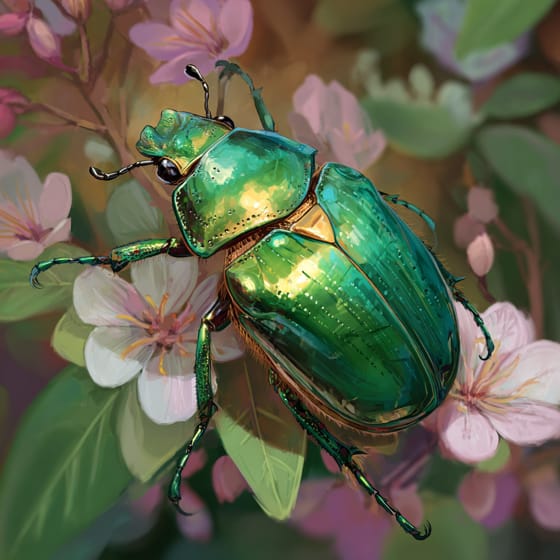
Popillia japonica
Japanese beetles frequently feed on the foliage during the mid-summer months.
No trait badges are assigned for this object yet.
No aliases listed yet.
Collections for this object will appear here as more themes are added.
Danger
1/5 · Very low
No special safety notes yet.
The easiest way to identify Japanese Kerria is to use the Snappit nature identifier app.
100-300 cm
10-30 years
As a photoautotrophic plant, it utilizes sunlight, water, and atmospheric carbon dioxide to produce glucose via photosynthesis, while drawing essential minerals from the soil.
Found in moist mountain thickets, valleys, and forest margins, often along streamsides or within damp woodland settings.
Zoom in to split clusters and explore where this object has been snapped.
Take the discovery with you
Snap it with Snappit to identify it, learn what makes it special, and add the discovery to your collection.












.jpg&width=800)



_001.jpg&width=800)




