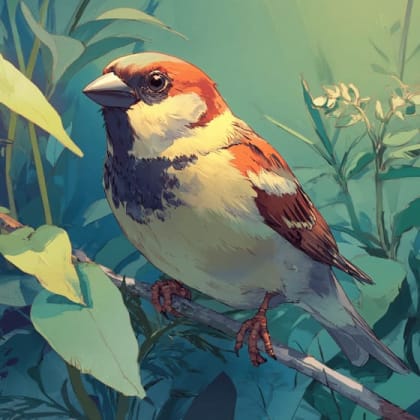





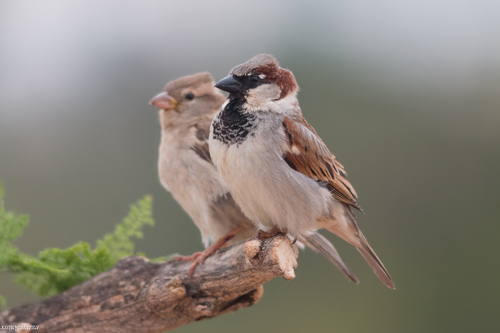
House Sparrow
Nestled in the vibrant Lower East Side of Manhattan, Sara D.
Nestled in the vibrant Lower East Side of Manhattan, Sara D. Roosevelt Park stands as a cherished 7.8-acre urban oasis, offering a refreshing escape amidst the city's bustling energy. More than just a green space, it's a dynamic community hub, connecting diverse neighborhoods like Chinatown, Little Italy, and Nolita. This family-friendly park is a testament to urban resilience, providing a vital common ground for recreation, relaxation, and cultural exchange, making it a truly special destination in New York City.
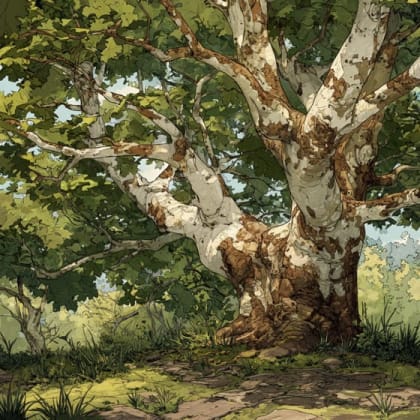
The park is a haven for both people and a surprising array of urban wildlife. Visitors can explore a rich tapestry of community gardens, including the historically significant M'Finda Kalunga Garden and the charming Hua Mei Bird Garden, where enthusiasts gather to enjoy melodious songbirds. Keep an eye out for common city dwellers like the House Sparrow and Rock Pigeon, alongside fascinating insects such as the Common Eastern Bumble Bee and even the more recent Spotted Lanternfly, showcasing the park's biodiversity. Amidst the mature London Plane and princess trees, you might also spot a quick Brown Rat or the vibrant American pokeweed, adding to the park's wild charm.
Sara D. Roosevelt Park is an essential stop for anyone looking to experience the authentic pulse of New York City. Its blend of recreational facilities, peaceful green spaces, and cultural vibrancy makes it memorable. Whether you're seeking a lively pick-up game on the basketball courts, a quiet moment among the community gardens, or simply a place to observe the fascinating intersection of urban life and nature, this park offers a unique and engaging experience that reflects the spirit of its surrounding communities. Turn your visit into a safari! Use the Snappit app to scan and log wildlife sightings here.
The land that is now Sara D. Roosevelt Park was acquired by the City of New York in 1929, initially intended for widening Chrystie and Forsyth Streets and constructing low-cost housing. However, these plans shifted, and the site was instead designated for parkland, specifically as "playgrounds and resting places for mothers and children". The park, which replaced former walk-up apartments and even an earlier African-American burial ground and a Dutch Reformed Church Cemetery, was designed under the leadership of Parks Commissioner Robert Moses and officially opened in September 1934. It was named in honor of Sara Delano Roosevelt, the mother of President Franklin D. Roosevelt, despite her initial written objection. The park's dedication ceremony in 1934 was a significant event for the Lower East Side, celebrated as the "birth of a new Lower East Side". Over the decades, the park has undergone transformations, experiencing periods of neglect in the 1960s and 70s, but has been revitalized through dedicated community efforts, such as the Sara D. Roosevelt Park Coalition formed in 1982, which established the M'Finda Kalunga community garden.
Enjoy people-watching, play sports, explore the community gardens, photograph urban wildlife like the Mourning Dove or Gray Catbird, relax on benches, or cool off under spray showers.
Summer: Free lunch programs for children and opportunities to enjoy the spray showers. Community gardens are in full bloom.
Winter: Home to the lively Lunar New Year Firecracker Festival, connecting to celebrations in nearby Chinatown.
Year-round: Various community events and art installations reflect the diverse cultures of the area. Check the NYC Parks website or the Sara D. Roosevelt Park Coalition for upcoming "It's My Park" events and volunteer opportunities.
Sara D. Roosevelt Park is wheelchair-friendly, with well-maintained paths. Several playgrounds within the park are wheelchair accessible. Public restrooms are available, and some are accessible.
A significant community garden honoring an African-American burial ground, maintained by volunteers.
A gathering spot for bird enthusiasts, where they often bring their songbirds.
Several playgrounds catering to children, some of which are wheelchair accessible.
Basketball courts (including a colorfully painted court by Nike and artist KAWS), a synthetic turf soccer field, handball courts, and a roller-skating rink.
Each card links to a full Explore page with photos, traits, and fun facts.
Start with the big picture, then zoom in to explore individual wildlife observations around this place.
Explore the Community Gardens
Don't miss the M'Finda Kalunga Garden for its history and tranquility, and the Hua Mei Bird Garden to see local bird enthusiasts.
Check for Events
The park frequently hosts community events, festivals (like Lunar New Year), and volunteer days. Check the NYC Parks or Sara D. Roosevelt Park Coalition websites for schedules.
Look for Urban Wildlife
Even in an urban park, you can spot diverse species. Keep an eye out for House Sparrows, Rock Pigeons, Mourning Doves, and various bumble bees, especially around flowering plants [cite: Wikidata].
Utilize Sports Facilities
If you're a basketball, soccer, or handball enthusiast, join a pick-up game or simply enjoy watching the vibrant community in action.
Stay Hydrated and Use Restrooms
Drinking water is available, and public restrooms are present, though hours may be limited.
Visit during different seasons
Each season offers a unique experience, from summer activities and blooming gardens to winter festivals.
Jan 26, 2026
Jan 22, 2026
Jan 19, 2026
Jan 19, 2026
Jan 17, 2026

Maryland, US
You might spot White-Tailed Deer and Eastern Gray Squirrel.
View guide →
.jpg)
District of Columbia, US
You might spot Eastern Gray Squirrel, Duck, and House Sparrow.
View guide →

Illinois, US
You might spot American Robin, Canada Goose, and House Sparrow.
View guide →

Virginia, US
You might spot Spotted Lanternfly and Northern Cardinal.
View guide →
Take the discovery with you
Identify the wildlife you spot, learn as you go, and keep a collection of the adventure.