





Jasmine
Jasminum officinale
Jasmine is a fragrant flower loved for its sweet smell. It blooms in white or yellow clusters and is often used to make perfumes and teas.
Habitat: Gardens
The Jasmine has slender, often climbing stems with glossy dark green leaves. Its small, star-shaped flowers are typically pure white or creamy yellow, standing out against the foliage with their delicate petals and charming appearance.
Category
PlantsRarity
Common
Danger
1/5 · Very low
Snaps
Be the first to snap!
In many parts of India, jasmine flowers are used in religious ceremonies and cultural festivals!
It takes thousands of jasmine flowers to produce just a tiny bottle of its precious essential oil!
Jasmine oil is a very popular ingredient in aromatherapy, often used for its calming properties!
The dried flowers of jasmine are sometimes used to flavor delicious desserts like ice cream or puddings!
Jasmine can release a powerful, sweet fragrance, especially at night, to attract nocturnal insect pollinators to its flowers.
Jasmine has flexible, twining stems that allow it to climb and sprawl over supports, reaching for sunlight.
Some Jasmine varieties have evergreen leaves, keeping their vibrant green color throughout the entire year.
Apis mellifera
Helps spread pollen for reproduction.
Aphis gossypii
Feeds on sap, potentially weakening plants.
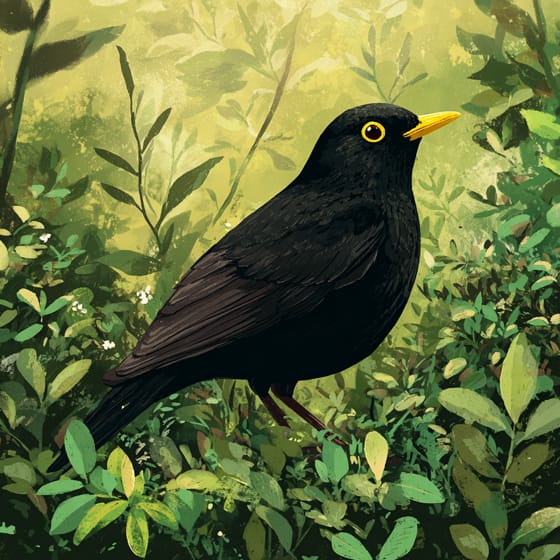
Turdus merula
Nests among its dense, protective foliage.
Aromatic plants produce and emit fragrant volatile organic compounds, often for defense or to attract pollinators.
Flowering plants are any plants that produce flowers as part of their reproductive cycle.
Cluster flowers are inflorescences where individual flowers are arranged closely together on a common stem.
A tube flower has petals fused together at the base, forming a distinct tubular structure that typically holds nectar deep within.

Evergreen plants retain their foliage throughout the year, never shedding all their leaves at once.

Fragrant flowers emit a pleasant aroma, often to attract pollinators or for defense.

Medicinal plants possess chemical compounds that can be used for therapeutic purposes to treat illnesses or maintain health.

Night blooming plants open their flowers after sunset, often to attract nocturnal pollinators with their scent and appearance.
Danger
1/5 · Very low
Enjoy the beauty of jasmine flowers but avoid touching or ingesting them.
The easiest way to identify Jasmine is to use the Snappit nature identifier app.
300-500 cm
100-200 cm
1-2.5 cm
Summer
Yes
None
Perennial
Zoom in to split clusters and explore where this object has been snapped.
Recent snaps will appear here as new observations are added.
Take the discovery with you
Snap it with Snappit to identify it, learn what makes it special, and add the discovery to your collection.







.jpg&width=800)


_001.jpg&width=800)



