





Kalanchoe
Kalanchoe
Kalanchoe is a cheerful plant that blooms with clusters of colorful flowers! It’s easy to care for and perfect for brightening up your room.
Habitat: Dry, tropical areas
The Kalanchoe has thick, fleshy, often scalloped leaves that are typically dark green. It produces vibrant clusters of small, four-petaled flowers in shades of red, orange, pink, yellow, or white, creating a striking contrast with its robust foliage.
Category
PlantsRarity
Rare
Danger
1/5 · Very low
Snaps
Be the first to snap!
Kalanchoe can bloom for several weeks, keeping its bright colors on display for a long time!
Many are called 'Mother of Thousands' for tiny plants on their leaf edges!
Some Kalanchoe can grow over 6 feet tall, towering like small trees!
These plants are famous for vibrant, long-lasting flowers, making them popular gifts!
Kalanchoe has thick, succulent leaves that store water, helping it survive long dry periods like a living canteen!
Some Kalanchoe species can sprout new plants directly from their leaves, a super skill for making more of itself!
Kalanchoe can open its pores at night to absorb carbon dioxide, helping it save precious water during hot days.
Apis mellifera
collects nectar from flowers
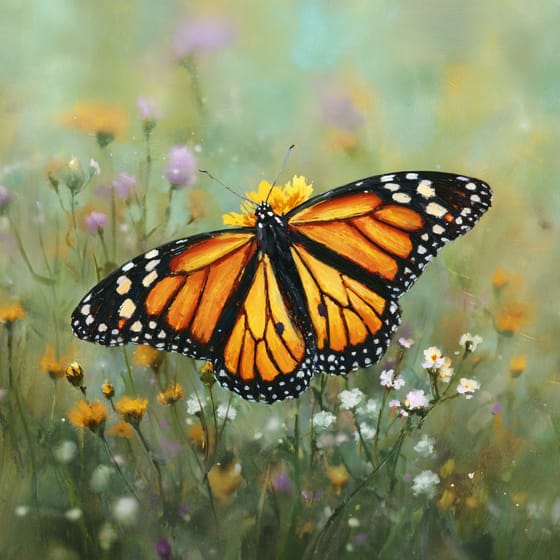
Danaus plexippus
visits flowers for nectar
Aphis gossypii
sucks sap from leaves and stems
Cluster flowers are inflorescences where individual flowers are arranged closely together on a common stem.
Shade tolerant plants are adapted to grow and thrive in areas with low light levels, requiring less direct sunlight.
Everblooming plants produce flowers continuously or in repeated flushes over a long period.
Drought-tolerant plants can survive and flourish in conditions with limited water availability.

Succulent plants have thickened, fleshy parts, usually leaves or stems, adapted to store water in arid climates.
Danger
1/5 · Very low
Explore with care and ask an adult if you’re unsure what to do.
The easiest way to identify Kalanchoe is to use the Snappit nature identifier app.
10-60 cm
15-45 cm
0.5-2 cm
Winter to Spring
No
Mild
Perennial
Zoom in to split clusters and explore where this object has been snapped.
Recent snaps will appear here as new observations are added.
Take the discovery with you
Snap it with Snappit to identify it, learn what makes it special, and add the discovery to your collection.









.jpg&width=800)



_001.jpg&width=800)



