





Kittacincla malabarica
Kittacincla malabarica
The Malabar Whistling Thrush is a beautiful bird known for its lovely singing. It has shiny blue-black feathers and loves to live in forests, where it can sing its sweet songs.
Habitat: Forests
The Kittacincla malabarica is a medium-sized thrush with glossy blue-black plumage, often featuring a vibrant blue patch on its shoulders and forehead. Its bright yellow bill and pinkish-purple legs provide a striking contrast against its dark feathers, making it distinct among forest birds.
Category
BirdsRarity
Common
Danger
1/5 · Very low
Snaps
Be the first to snap!
Its scientific name, 'Kittacincla,' means 'whistling bird' – a perfect description of its famous song!
These birds love cold water and are often seen bathing and splashing in mountain streams!
This bird's stunning blue-black feathers almost vanish in the deep shadows of its forest home!
You're much more likely to *hear* this shy bird's beautiful music than you are to actually *see* it!
Kittacincla malabarica can produce a complex, flute-like song that helps them communicate and attract mates.
Kittacincla malabarica can imitate sounds of other birds and animals, which helps them confuse predators or defend territory.
Kittacincla malabarica has strong legs and feet that help them hop and run across slippery rocks to find food near streams.
Kittacincla malabarica can build well-hidden nests in rock crevices or stumps, which helps protect their eggs from predators.
This bird enjoys a varied diet of insects, worms, and juicy berries found near water.
Pheretima posthuma
A primary food source for foraging birds.
Coccinella septempunctata
Various insects are hunted.
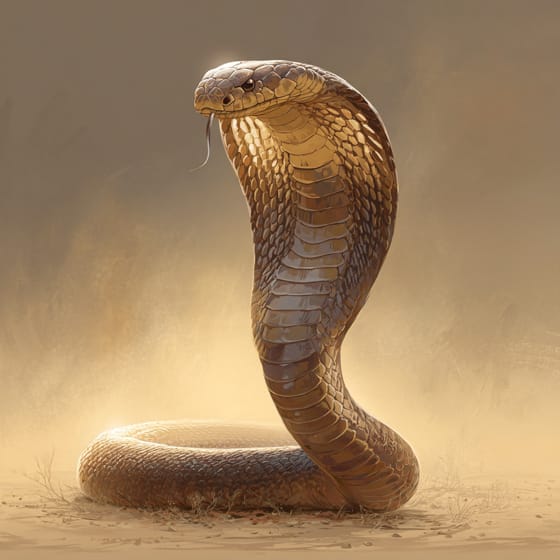
Naja naja
Predates on eggs and chicks in ground nests.
Accipiter trivirgatus
Preys on adult birds.
Feathered describes animals, primarily birds, possessing a covering of feathers.
Social animals live in organized groups, cooperating for survival benefits such as foraging, defense, and raising offspring.
Singing animals produce complex vocalizations, often for purposes of attracting mates, defending territory, or communicating within their species.
This trait identifies organisms whose diet primarily consists of insects and other small invertebrates.

Forest habitats are terrestrial environments dominated by dense tree cover, supporting a high diversity of plant and animal life.

Migratory animals undertake seasonal movements from one region to another, typically in response to changes in climate or food availability.
Danger
1/5 · Very low
Enjoy watching birds from a distance and be quiet so you don't scare them away.
The easiest way to identify Kittacincla malabarica is to use the Snappit nature identifier app.
23-28 cm
38-45 cm
0.08-0.12 kg
5-10 years
This bird enjoys a varied diet of insects, worms, and juicy berries found near water.
Forests
Foraging
Zoom in to split clusters and explore where this object has been snapped.
Recent snaps will appear here as new observations are added.
Take the discovery with you
Snap it with Snappit to identify it, learn what makes it special, and add the discovery to your collection.




.jpg&width=800)








