





Kusimanses
Crossarchus
Kusimanses are small, playful mammals that love to dig and explore! They have long bodies and short legs, making them great at burrowing into the ground.
Habitat: Grasslands
The Kusimanses is a small, stocky mammal with a long, pointed snout and short legs. Its shaggy fur is typically dark reddish-brown to black, often giving it a grizzled appearance. They have small, rounded ears and sharp claws.
Category
MammalsRarity
Common
Danger
2/5 · Low
Snaps
Be the first to snap!
Baby Kusimanses are born helpless with closed eyes, relying on the whole group.
Kusimanses communicate with a wide range of sounds, including purrs, growls, and chirps!
These clever animals sometimes use rocks to crack open hard-shelled eggs!
They are part of the mongoose family and live in large, playful family groups.
Kusimanses can sniff out tiny insects and grubs hidden underground, helping them find food even in dense foliage.
Kusimanses hunt together in groups, allowing them to overpower larger prey that one might not catch alone.
Kusimanses have strong, non-retractable claws that help them dig quickly to unearth buried food and create shelters.
These busy omnivores love to eat insects, small animals, fruits, and even fungi they dig up!
Naja melanoleuca
A known predator of Kusimanses in their habitat.
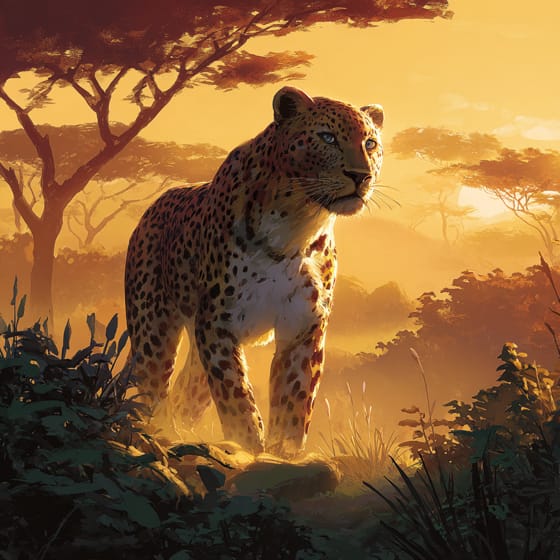
Panthera pardus
Large carnivores sometimes prey on smaller Kusimanses.
%2C_at_Ndumo_Nature_Reserve%2C_KwaZulu-Natal%2C_South_Africa_(28947411865).jpg&width=800)
Stephanoaetus coronatus
Birds of prey are significant predators.
Mastomys natalensis
Kusimanses actively hunt small rodents for food.
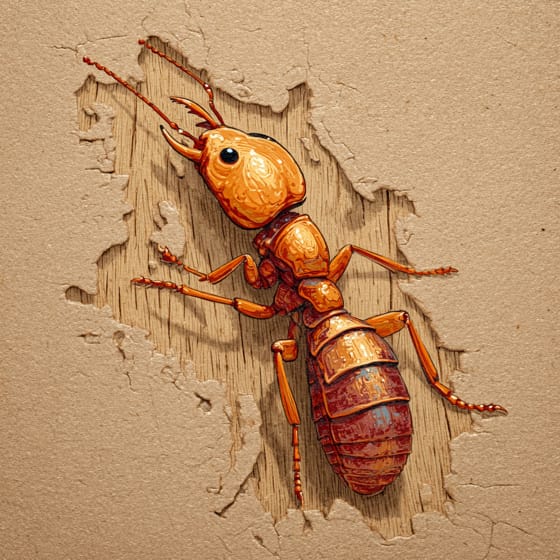
Macrotermes bellicosus
A primary food source, dug out from nests.
Furry describes animals possessing a dense covering of soft hair or fur.
Social animals live in organized groups, cooperating for survival benefits such as foraging, defense, and raising offspring.
Burrowing animals dig tunnels and chambers in the ground, using these subterranean structures for shelter, hunting, or breeding.
Grassland habitats are terrestrial biomes dominated by grasses and herbaceous plants, supporting a variety of grazing animals.

This trait identifies organisms whose diet primarily consists of insects and other small invertebrates.

This trait identifies organisms that exhibit exceptional swiftness in movement for hunting, escape, or travel.
No aliases listed yet.
Danger
2/5 · Low
Kusimanses are wild animals, so it's best to observe them from a distance.
The easiest way to identify Kusimanses is to use the Snappit nature identifier app.
30-47 cm
0.8-1.4 kg
6-12 years
25 km/h
These busy omnivores love to eat insects, small animals, fruits, and even fungi they dig up!
Grasslands
Foraging
Zoom in to split clusters and explore where this object has been snapped.
Recent snaps will appear here as new observations are added.
Take the discovery with you
Snap it with Snappit to identify it, learn what makes it special, and add the discovery to your collection.




.jpg&width=800)



.JPG&width=800)

.jpg&width=800)
