




Lactarius deliciosus
Lactarius deliciosus
Lactarius deliciosus, also known as the Saffron Milk Cap, is a tasty mushroom that grows in forests. Its orange cap releases a saffron-colored milk when cut, making it a fun find for mushroom hunters.
Habitat: Forests
The Lactarius deliciosus has a vibrant orange cap, often with faint concentric rings, which can turn greenish where bruised or with age. Its gills and stem are also orange, and it releases a distinctive orange, milky sap when cut.
Category
FungiRarity
Common
Danger
2/5 · Low
Snaps
Be the first to snap!
Ancient Romans enjoyed this yummy mushroom, calling it 'boletus suillus'!
Its bright orange 'milk' was once used as a natural dye!
Mushrooms like this don't have seeds; they spread using tiny dust-like spores!
Some foragers say it tastes like carrots, pine, or even seafood!
Lactarius deliciosus releases an orange liquid when cut that changes to a greenish color when it touches the air, making it unique.
Lactarius deliciosus forms a special underground connection with conifer trees, sharing nutrients that help both grow strong.
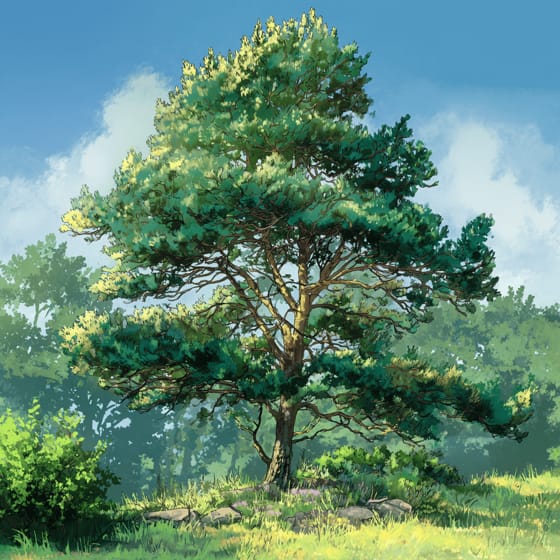
Pinus sylvestris
Forms mycorrhizal relationship, sharing nutrients.
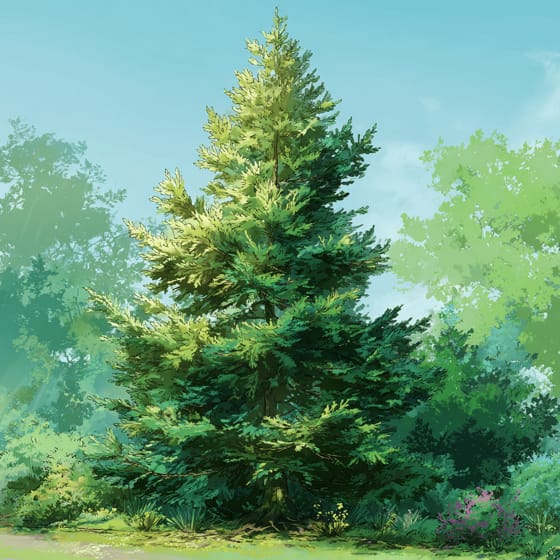
Picea abies
Also forms beneficial root connections with this tree.
Homo sapiens
Highly prized edible mushroom by foragers worldwide.
Limax maximus
Slugs are known to feed on various fungi in forests.
This trait describes a symbiotic relationship between a fungus and the roots of a plant, benefiting both organisms.
Spore-producing organisms reproduce by releasing small, often single-celled, reproductive units called spores.
Edible plants are those parts of a plant that are considered safe for human consumption.
Forest habitats are terrestrial environments dominated by dense tree cover, supporting a high diversity of plant and animal life.
Danger
2/5 · Low
Never eat any mushroom you find in the wild unless an adult who knows about mushrooms says it's safe.
The easiest way to identify Lactarius deliciosus is to use the Snappit nature identifier app.
4-10 cm
edible
5-15 cm
Forests
soil
Summer to Fall
Cream to yellowish
Zoom in to split clusters and explore where this object has been snapped.
Recent snaps will appear here as new observations are added.
Take the discovery with you
Snap it with Snappit to identify it, learn what makes it special, and add the discovery to your collection.