





Lampropeltis Triangulum Andesiana
lampropeltis triangulum andesiana
The Lampropeltis Triangulum Andesiana, also known as the milk snake, is a colorful and friendly snake. Kids will love how it can mimic the appearance of more dangerous snakes to stay safe!
Habitat: They can be found in forests, grasslands, and near agricultural areas.
The Lampropeltis Triangulum Andesiana has a striking pattern of wide red bands bordered by black, alternating with narrower black bands and even narrower yellow or cream-colored bands. This vibrant color combination makes it visually distinct.
Category
ReptilesRarity
Common
Danger
0/5 · No known danger
Snaps
Be the first to snap!
Milk snakes don't drink milk, their name comes from a myth from farmers!
Their scales are smooth and shiny, not rough like some other snake species!
These amazing snakes sometimes eat other snakes, even venomous ones!
They are fantastic escape artists, able to squeeze into surprisingly tiny spaces!
Lampropeltis Triangulum Andesiana can tightly coil around its prey and constrict it, allowing them to overpower and eat small animals.
Its patterned scales help it blend into leaf litter and forest environments, making it hard for predators and prey to spot.
This carnivore eats small rodents, birds, and even other snakes!
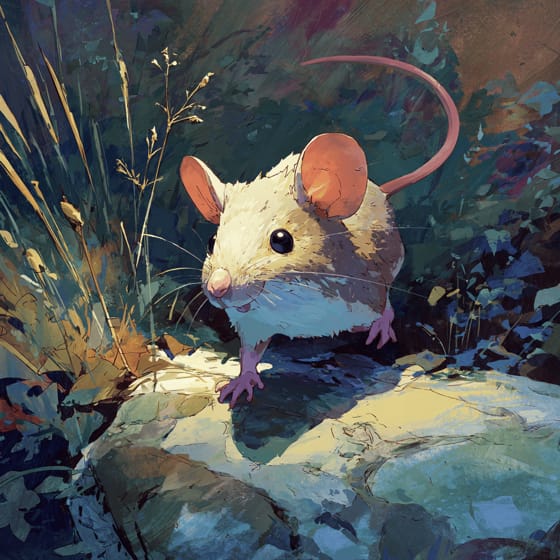
Mus musculus
Helps control rodent populations in its habitat.
Anolis aequatorialis
Preys on these common lizards in its Andean range.
Micrastur semitorquatus
One of the raptors that hunts snakes in the forest.
Didelphis marsupialis
A nocturnal mammal that preys on snakes.
Solitary animals live alone for most of their lives, only interacting with others for mating or parental care.
Colorful describes organisms or objects displaying a wide range of bright and distinct colors.
This trait identifies organisms whose diet consists entirely or primarily of animal tissue.
Diurnal animals are primarily active during daylight hours, typically resting or sleeping at night.

Nocturnal animals are primarily active during the nighttime hours, typically resting or sleeping during the day.
Danger
0/5 · No known danger
Always observe from a distance and never touch wild snakes.
The easiest way to identify Lampropeltis Triangulum Andesiana is to use the Snappit nature identifier app.
70-120 cm
0.2-0.8 kg
10-15 years
4 km/h
This carnivore eats small rodents, birds, and even other snakes!
They can be found in forests, grasslands, and near agricultural areas.
Ambush
Zoom in to split clusters and explore where this object has been snapped.
Recent snaps will appear here as new observations are added.
Take the discovery with you
Snap it with Snappit to identify it, learn what makes it special, and add the discovery to your collection.














