





Large Psammodromus
Psammodromus algirus
The Large Psammodromus is a small lizard that loves to bask in the sun. It has a long body and can run really fast on sandy ground, making it a fun little creature to spot!
Habitat: Desert
The Large Psammodromus is a slender lizard with a long tail, typically sporting a brown or olive-green body. It often displays a distinct light stripe on each flank and can have reddish or orange sides, especially during its breeding season. Its scales are keeled, giving its skin a slightly rough, textured appearance.
Category
ReptilesRarity
Common
Danger
1/5 · Very low
Snaps
Be the first to snap!
It uses its long, flicking tongue to 'taste' the air and find yummy insects!
Its scientific name, *algirus*, refers to Algeria, where it was first described!
Males flash bright orange or red sides to impress females during mating season!
This lizard loves basking in the sun to warm up, just like a tiny sunbather!
Large Psammodromus has earthy coloration that helps them blend perfectly with sandy and rocky terrains, making it hard for predators to spot them.
Large Psammodromus can shed its tail if grabbed by a predator because its tail has special break points, allowing it to escape unharmed.
This lizard enjoys munching on various small insects and spiders found in its habitat.
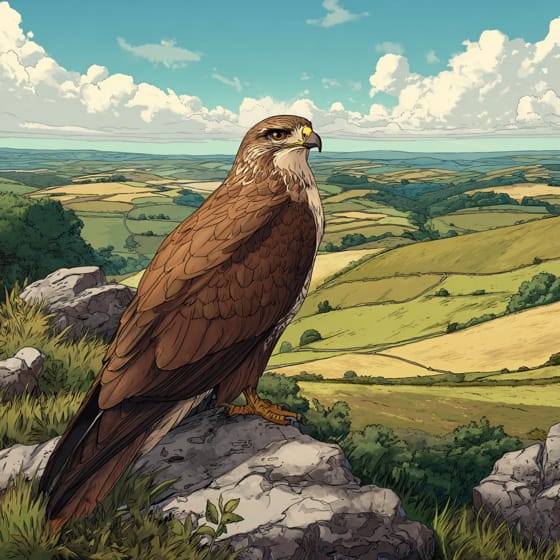
Buteo buteo
A common bird of prey that hunts small reptiles.
Malpolon monspessulanus
A large snake that preys on lizards in its range.
_Tettigonia_viridissima_on_Avena_fatua.jpg&width=800)
Tettigonia viridissima
A common insect often caught by these lizards.
Formica rufa
Ants are a frequent snack for many small lizards.
Solitary animals live alone for most of their lives, only interacting with others for mating or parental care.
Camouflaged describes organisms that possess coloring or patterns that allow them to blend into their environment.
This trait identifies organisms whose diet primarily consists of insects and other small invertebrates.
Desert habitats are arid regions characterized by extremely low precipitation and often extreme temperatures, supporting specialized flora and fauna.

Diurnal animals are primarily active during daylight hours, typically resting or sleeping at night.

This trait identifies organisms that exhibit exceptional swiftness in movement for hunting, escape, or travel.
No aliases listed yet.
Danger
1/5 · Very low
Always watch from a distance and don't try to catch lizards; they are best left in their homes.
The easiest way to identify Large Psammodromus is to use the Snappit nature identifier app.
15-25 cm
0.005-0.02 kg
3-5 years
20 km/h
This lizard enjoys munching on various small insects and spiders found in its habitat.
Desert
Pursuit and Foraging
Zoom in to split clusters and explore where this object has been snapped.
Recent snaps will appear here as new observations are added.
Take the discovery with you
Snap it with Snappit to identify it, learn what makes it special, and add the discovery to your collection.














