





largeflower bellwort
Uvularia grandiflora
The largeflower bellwort is a lovely flower that blooms in spring. It has unique, drooping yellow flowers that look like little bells hanging from the leaves. They grow in shady forests and are a special sight to see!
Habitat: Forests
The largeflower bellwort has distinctive, nodding yellow flowers with six twisted, strap-like petals that hang downwards, resembling a shy bell. Its stem appears to grow right through the center of its broad, oval-shaped leaves.
Category
PlantsRarity
Common
Danger
1/5 · Very low
Snaps
6
Before blooming, its tender young shoots are edible, tasting a bit like asparagus!
Its unique name comes from the small bell shape of its vibrant yellow, twisting petals.
Some people call it 'merrybells' because its flowers often appear in groups, like tiny joyful bells!
These cheerful yellow blooms love to nod their heads, looking shy as they hang downwards!
Largeflower bellwort can spread underground using special roots called rhizomes, helping it form colonies and cover more ground.
Largeflower bellwort seeds have a tasty 'elaiosome' treat that ants carry away, helping disperse seeds to new spots.
Its stem appears to grow *through* its leaves, a unique structure that might help deter some hungry plant-eaters!

Bombus impatiens
collects nectar and pollen from its flowers.
Andrena carlini
visits the bell-shaped flowers for vital pollen.
Formica subsericea
carries its seeds, helping the plant spread.
Bell-shaped flowers possess petals fused or arranged to form a cup-like or campanulate structure resembling a bell.
Deciduous plants periodically shed all their leaves, typically during autumn or dry seasons.
Flowering plants are any plants that produce flowers as part of their reproductive cycle.
Describing a plant or anatomical structure that droops or hangs downwards.

Shade tolerant plants are adapted to grow and thrive in areas with low light levels, requiring less direct sunlight.

Spring blooming plants produce their flowers during the spring season, often signifying the end of winter and the start of new growth.

Describes plants that are particularly attractive and beneficial to a wide range of pollinating organisms.

Forest habitats are terrestrial environments dominated by dense tree cover, supporting a high diversity of plant and animal life.
No aliases listed yet.
Danger
1/5 · Very low
Always look but don't touch flowers unless you know they are safe!
The easiest way to identify largeflower bellwort is to use the Snappit nature identifier app.
30-70 cm
15-30 cm
2.5-5 cm
Spring
Yes
None
Perennial
Zoom in to split clusters and explore where this object has been snapped.

Illinois, US
You might spot Brown-Belted Bumble Bee and Eastern Gray Squirrel.
View guide →

Wisconsin, US
You might spot Eastern Redcedar, Rock Polypody, and Vulture.
View guide →

New York, US
You might spot Garter Snake, Painted Turtle, and Monarch.
View guide →

Minnesota, US
You might spot Amethyst Shooting Star, Rue Anemone, and Bald Eagle.
View guide →

Iowa, US
You might spot White-Tailed Deer, Jack-In-The-Pulpit, and White Fawnlily.
View guide →
Kentucky, US
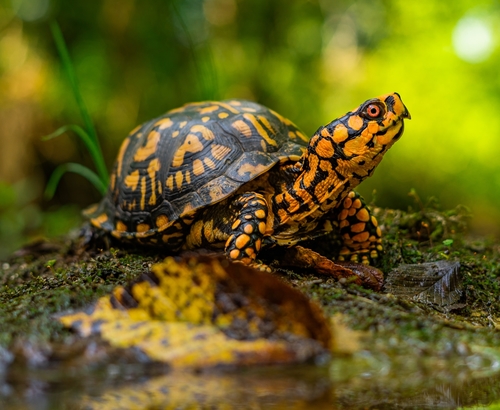
You might spot Eastern Box Turtle, Rainbow Darter, and Green Salamander.
View guide →
Take the discovery with you
Snap it with Snappit to identify it, learn what makes it special, and add the discovery to your collection.






.jpg&width=800)



_001.jpg&width=800)



