





spring gold
Crocidium multicaule
Spring gold is a bright yellow flower that blooms in early spring. Its cheerful color brings joy to gardens and fields, making it a favorite among kids and butterflies!
Habitat: Grasslands
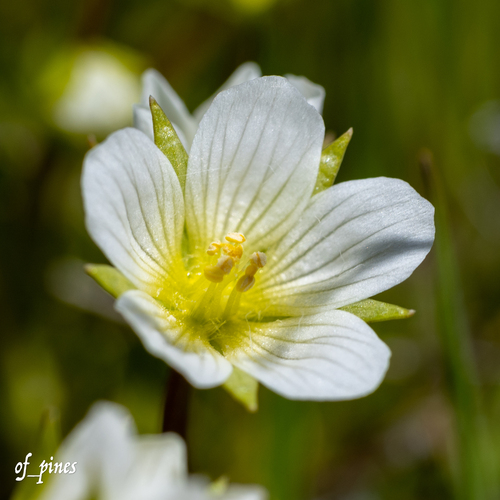
The spring gold has bright, solitary yellow daisy-like flowers, each with numerous slender petals surrounding a dense yellow center. These cheerful blooms sit atop delicate, leafless stems that grow from a small basal rosette of green leaves. Its vibrant color makes it stand out vividly against spring landscapes.
Category
PlantsRarity
Common
Danger
1/5 · Very low
Snaps
2
Each 'flower' is actually a cluster of many small flowers, a clever trick of the daisy family!
It grows so quickly that its entire life cycle, from seed to flower to seed, can happen in just a few weeks!
Its vibrant blossoms are like a welcome sign for early bees, providing their first meal of the year!
This tiny wildflower is one of the very first to paint the landscape yellow after winter snows melt!
Spring gold can rapidly grow and bloom in early spring, letting it complete its life cycle before summer drought arrives.
Spring gold has a very short blooming period, helping it quickly set seeds before larger, competing plants take over.
Apis mellifera
Provides early-season nectar and pollen
Bombus mixtus
Important nectar source for queen bumblebees

Syrphus ribesii
Adults feed on pollen and nectar
Flowering plants are any plants that produce flowers as part of their reproductive cycle.
Ornamental plants are cultivated primarily for their aesthetic appeal, enhancing landscapes and gardens with their attractive foliage, flowers, or form.
Spring blooming plants produce their flowers during the spring season, often signifying the end of winter and the start of new growth.
Fragrant flowers emit a pleasant aroma, often to attract pollinators or for defense.

Colorful describes organisms or objects displaying a wide range of bright and distinct colors.

Grassland habitats are terrestrial biomes dominated by grasses and herbaceous plants, supporting a variety of grazing animals.

Describes plants that are particularly attractive and beneficial to a wide range of pollinating organisms.
No aliases listed yet.
Danger
1/5 · Very low
Always look but don't pick flowers unless you have permission.
The easiest way to identify spring gold is to use the Snappit nature identifier app.
5-30 cm
1-2 cm
Spring
No
None
Annual
Insect
Zoom in to split clusters and explore where this object has been snapped.
Take the discovery with you
Snap it with Snappit to identify it, learn what makes it special, and add the discovery to your collection.








.jpg&width=800)


_001.jpg&width=800)




