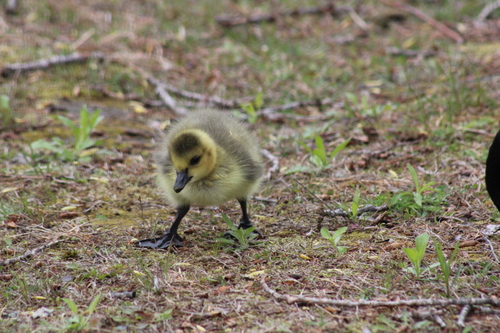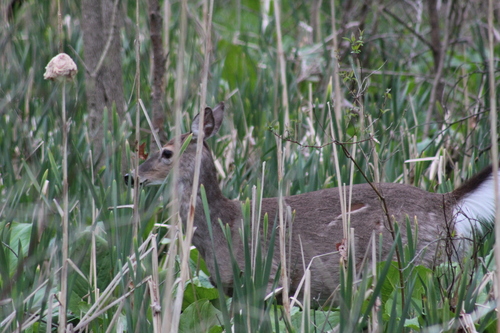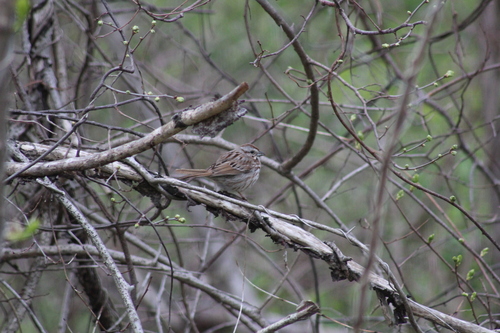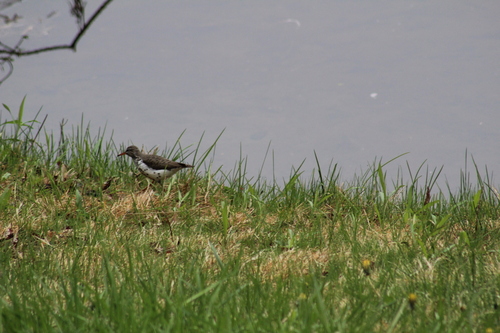

Garter Snake

Step back in time within the Hudson Falls Historic District, a beautifully preserved slice of 19th and early 20th-century Americana.
Step back in time within the Hudson Falls Historic District, a beautifully preserved slice of 19th and early 20th-century Americana. This captivating district, centered around a picturesque village park, showcases a remarkable collection of over 140 contributing buildings that tell the story of a thriving New York village. It's a living museum, inviting visitors to stroll through streets lined with architectural gems and discover the rich heritage of the upper Hudson Valley.
The district boasts a diverse array of architectural styles, including Federal, Greek Revival, Italianate, Second Empire, Queen Anne, and Colonial Revival, primarily dating from 1875 to 1900, with some structures as old as 1812. Key highlights include the former Washington County Courthouse with its ornate Italianate design, the impressive US Post Office-Hudson Falls, and the historic 1810 law office building at 177 Main Street, once associated with New York Governor Silas Wright. The central J. Walter Juckett Memorial Park, featuring an ornate fountain and various monuments, serves as a focal point, surrounded by significant civic, commercial, and ecclesiastical buildings.
Visiting the Hudson Falls Historic District offers a unique opportunity to immerse oneself in a bygone era. It's a chance to appreciate the craftsmanship of earlier generations, understand the community's historical development as a lumber and paper milling center, and simply enjoy the quaint charm of a well-preserved small town. The district's integrity and architectural beauty make it a memorable destination for history buffs, architecture enthusiasts, and anyone seeking a peaceful and enriching cultural experience. Unlock an interactive field guide for this spot: get the Snappit app to identify nature on the go.
The area now known as Hudson Falls was originally incorporated as the village of Sandy Hill in 1810. It grew and prospered significantly as a lumber and paper milling center, a commercial hub for the surrounding farming region, and served as a civic center as the half-shire county seat of Washington County. The village's fortunes were boosted by the opening of the Glens Falls Feeder Canal in the 1830s, which connected the Hudson River to the Champlain Canal and facilitated trade and manufacturing. The village's name officially changed from Sandy Hill to Hudson Falls in March 1910, in part to draw attention to Baker's Falls on the Hudson River, hoping to attract tourists. The Hudson Falls Historic District, encompassing the historical center of the village with buildings dating from 1812 to 1935, was listed on the National Register of Historic Places in 1983. Many of the late 19th-century commercial blocks, particularly those on Main Street built after a devastating fire in 1876, exhibit rich Italianate and Romanesque Revival details, showcasing the prosperity of the period.
Walk through the village center, admire the diverse architectural styles, read historical markers, and visit local shops and eateries. Enjoy the tranquility of Juckett Park.
Summer brings Concerts in Juckett Park and Hudson Falls Community Days. Winter features Hudson Falls Hometown Holidays.
As a historic district, sidewalks are generally present, but the level of accessibility for individual buildings may vary. J. Walter Juckett Memorial Park is a public green space and generally accessible.
The central green space with an ornate fountain and monuments.
A significant Italianate-style civic building facing the park.
A separately listed historic structure within the district.
One of the oldest structures, notable for its association with Henry C. Martindale and Governor Silas Wright.
Each card links to a full Explore page with photos, traits, and fun facts.
Start with the big picture, then zoom in to explore individual wildlife observations around this place.
Wear comfortable shoes
The best way to experience the district is on foot, exploring its various streets and buildings.
Bring a camera
The diverse architecture and well-preserved streetscapes offer excellent photographic opportunities.
Look for historical markers
These markers often provide interesting details about individual buildings or the district's history.
Visit J. Walter Juckett Memorial Park
This central park is a great starting point and a pleasant place to rest.
Explore Main Street
Many of the prominent commercial buildings with Italianate and Romanesque Revival details are located here.
Consider combining with other local attractions: Hudson Falls is close to Baker's Falls and the Glens Falls Feeder Canal Trail, offering additional historical and natural beauty.
May 9, 2026
Photo attribution
(c) Lythronax246, some rights reserved (CC BY)
License: CC BY 4.0 ↗
Image may be shown cropped inside the card frame.
May 9, 2026
Photo attribution
(c) Lythronax246, some rights reserved (CC BY)
License: CC BY 4.0 ↗
Image may be shown cropped inside the card frame.
May 9, 2026
Photo attribution
(c) Lythronax246, some rights reserved (CC BY)
License: CC BY 4.0 ↗
Image may be shown cropped inside the card frame.
May 9, 2026
Photo attribution
(c) Lythronax246, some rights reserved (CC BY)
License: CC BY 4.0 ↗
Image may be shown cropped inside the card frame.
May 9, 2026
Photo attribution
(c) Lythronax246, some rights reserved (CC BY)
License: CC BY 4.0 ↗
Image may be shown cropped inside the card frame.

Maryland, US
You might spot White-Tailed Deer and Eastern Gray Squirrel.
View guide →
.jpg)
District of Columbia, US
You might spot Eastern Gray Squirrel, Duck, and House Sparrow.
View guide →

Illinois, US
You might spot American Robin, Canada Goose, and House Sparrow.
View guide →

Virginia, US
You might spot Spotted Lanternfly and Northern Cardinal.
View guide →
Take the discovery with you
Identify the wildlife you spot, learn as you go, and keep a collection of the adventure.