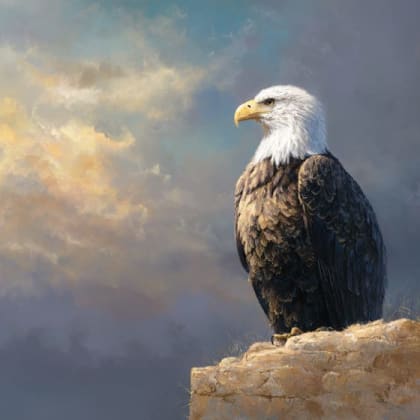





Bald Eagle

Lock and Dam No. 24 is a prime spot for nature and engineering enthusiasts.
This remarkable site on the Upper Mississippi River, bridging Illinois and Missouri near Clarksville, stands as both a vital piece of navigational infrastructure and a phenomenal wildlife observation point. Built as part of the ambitious Nine-Foot Navigation Project, the lock and dam is especially famous for its innovative use of Tainter gates, a groundbreaking engineering feat at the time of its construction. Visitors can experience the powerful operations of river commerce alongside the serene beauty of the Mississippi's ecosystem.
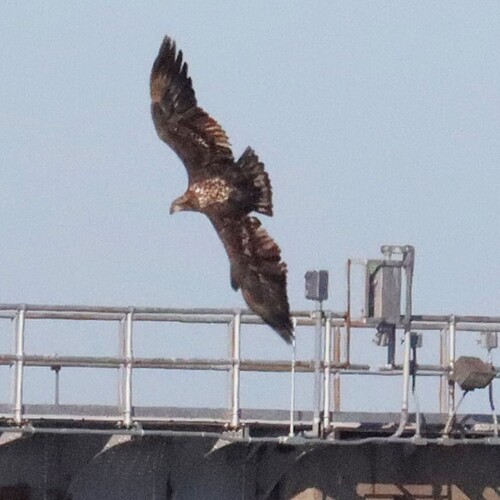
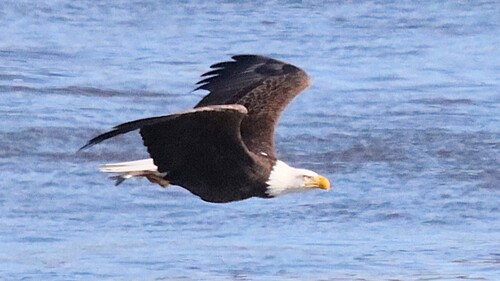
What truly sets Lock and Dam No. 24 apart is its role as a magnet for a diverse array of birdlife, particularly during the colder months. The churning, ice-free waters below the dam create an irresistible feeding ground, attracting hundreds of majestic Bald Eagles. Beyond these national symbols, expect to see graceful Ospreys, various species of gulls, terns, and even American White Pelicans during migration, all thriving in this unique confluence of human ingenuity and natural bounty.
Visiting Lock and Dam No. 24 offers a unique opportunity to witness the intricate dance between commerce and nature. It’s a place where massive barges navigate the river's currents through the lock system, while overhead, eagles soar, diving for fish. With public observation areas, it’s an engaging and educational destination, providing memorable moments for birdwatchers, photographers, and anyone fascinated by the powerful flow of America's greatest river. Unlock an interactive field guide for this spot: get the Snappit app to identify nature on the go.
Construction on Lock and Dam No. 24 commenced in July 1936 and became fully operational by March 1940. It was a key component of the Upper Mississippi River Nine-Foot Navigation Project, authorized by the Rivers and Harbors Act of 1930, which aimed to establish a reliable 9-foot deep navigation channel for river commerce. A pioneering aspect of Lock and Dam No. 24 was its exclusive use of Tainter gates, marking it as the first dam on the Upper Mississippi River to employ this advanced technology, which was considered innovative and rendered older roller gate designs obsolete at the time. The facility underwent a major rehabilitation in 2005 and, as of April 2024, is undergoing a multi-year rehabilitation project, ensuring its continued functionality. In recognition of its historical and engineering significance, the lock and dam was listed on the National Register of Historic Places in 2004.
Engage in birdwatching, especially for eagles, Ospreys, and other waterfowl. Witness the impressive engineering as barges "lock through" the dam. Enjoy photography of both wildlife and the industrial marvel. An observation platform is available for enhanced viewing.
Winter brings the largest concentration of Bald Eagles. Spring and fall offer opportunities to see various migratory birds. The dam creates ice-free water even in winter, making it a crucial feeding ground.
The site features an observation platform and picnic tables, providing accessible areas for visitors to enjoy the views.
The awe-inspiring Bald Eagles, the intricate Tainter gates, the passage of commercial barges and towboats through the lock, and the scenic views of the Mississippi River.
Each card links to a full Explore page with photos, traits, and fun facts.
Start with the big picture, then zoom in to explore individual wildlife observations around this place.
Bring binoculars
Essential for getting a closer look at distant birds and observing the details of barges passing through the lock.
Pack a telephoto lens
For photographers, a good zoom lens will be invaluable for capturing stunning shots of eagles and other wildlife.
Dress in layers
Especially during winter, when eagle viewing is at its peak, the riverside can be very cold and windy.
Visit the nearby Clarksville Visitor Center: While not directly at the dam, the Clarksville Visitor Center can provide additional information about local conditions and events.
Be patient
Wildlife viewing often requires patience. Spend some time watching the water and sky, and you'll likely be rewarded.
Check for construction updates
A long-term rehabilitation project is currently underway, though the dam remains functional, it's wise to check for any public access impacts.
Jan 12, 2026
Photo attribution
(c) Bob Virag, some rights reserved (CC BY)
License: CC BY 4.0 ↗
Image may be shown cropped inside the card frame.
Jan 12, 2026
Photo attribution
(c) Bob Virag, some rights reserved (CC BY)
License: CC BY 4.0 ↗
Image may be shown cropped inside the card frame.
May 21, 2026
May 13, 2026
Sep 21, 2025

Maryland, US
You might spot White-Tailed Deer and Eastern Gray Squirrel.
View guide →
.jpg)
District of Columbia, US
You might spot Eastern Gray Squirrel, Duck, and House Sparrow.
View guide →

Illinois, US
You might spot American Robin, Canada Goose, and House Sparrow.
View guide →

Virginia, US
You might spot Spotted Lanternfly and Northern Cardinal.
View guide →
Take the discovery with you
Identify the wildlife you spot, learn as you go, and keep a collection of the adventure.
















_-_Meleagris_gallopavo%2C_Occoquan_Bay_National_Wildlife_Refuge%2C_Woodbridge%2C_Virginia.jpg&width=800)

