





largeflower fairybells
Prosartes smithii
Largeflower fairybells are beautiful flowers that bloom in the woods. They have lovely, bell-shaped flowers that can be yellow or white and are often found in shady places.
Habitat: Forests
The largeflower fairybells has delicate, nodding, bell-shaped flowers that are typically creamy white to greenish-white. Its leaves are large, broadly oval, and prominently ribbed, providing a lush green backdrop. The plant often features bright orange-red berries in late summer.
Category
PlantsRarity
Common
Danger
1/5 · Very low
Snaps
7
Each delicate flower has six tiny 'petals' that are actually called tepals!
Even though they have 'bells' in their name, these flowers don't make a sound!
Its bright orange berries look tasty, but eating them can give you a tummy ache!
This plant hides most of its life underground, popping up only for a few months!
Largeflower fairybells can spread using underground rhizomes that help it colonize and thrive in forest floors.
This plant produces vibrant orange berries that entice animals to eat them, which helps spread its seeds.
Largeflower fairybells has adapted to grow and flower in dim forest light where many other plants struggle.
Bombus occidentalis
Helps spread pollen from flower to flower.
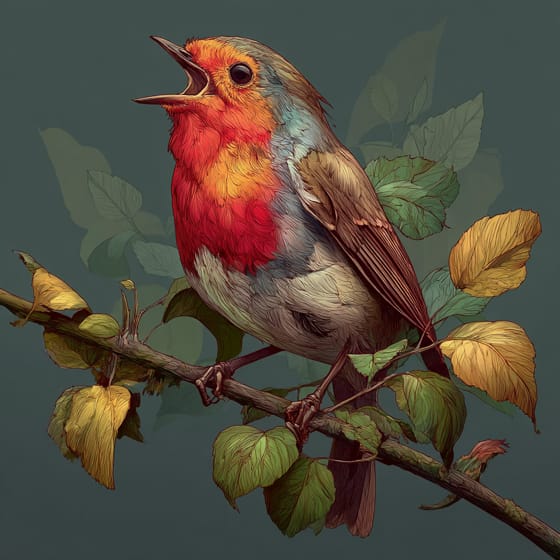
Turdus migratorius
Eats its colorful berries, helping spread seeds.
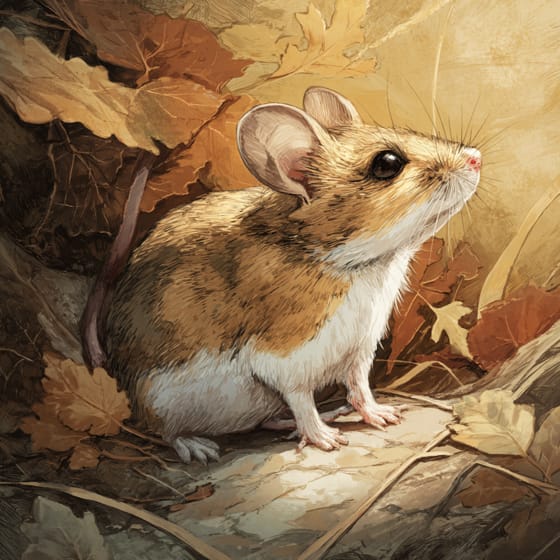
Peromyscus maniculatus
May consume seeds or berries, aiding seed dispersal.
Bell-shaped flowers possess petals fused or arranged to form a cup-like or campanulate structure resembling a bell.
Flowering plants are any plants that produce flowers as part of their reproductive cycle.
Shade tolerant plants are adapted to grow and thrive in areas with low light levels, requiring less direct sunlight.
Fragrant flowers emit a pleasant aroma, often to attract pollinators or for defense.

Describes plants that are particularly attractive and beneficial to a wide range of pollinating organisms.

Forest habitats are terrestrial environments dominated by dense tree cover, supporting a high diversity of plant and animal life.
No aliases listed yet.
Danger
1/5 · Very low
Always look but don't touch flowers unless an adult says it's okay.
The easiest way to identify largeflower fairybells is to use the Snappit nature identifier app.
30-70 cm
20-40 cm
1-2 cm
Spring to early summer
No
Mild
Perennial
Zoom in to split clusters and explore where this object has been snapped.

California, US
You might spot Western Azalea, Pacific Trillium, and Western Columbine.
View guide →

Oregon, US
You might spot Rough-Skinned Newt and Pacific Banana Slug.
View guide →

California, US
You might spot Pacific Banana Slug, Redwood, and Elk.
View guide →
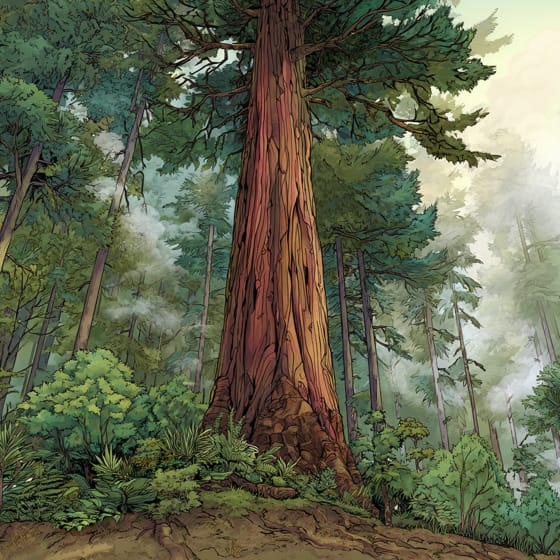
California, US
You might spot Redwood, Red Panda, and North American River Otter.
View guide →
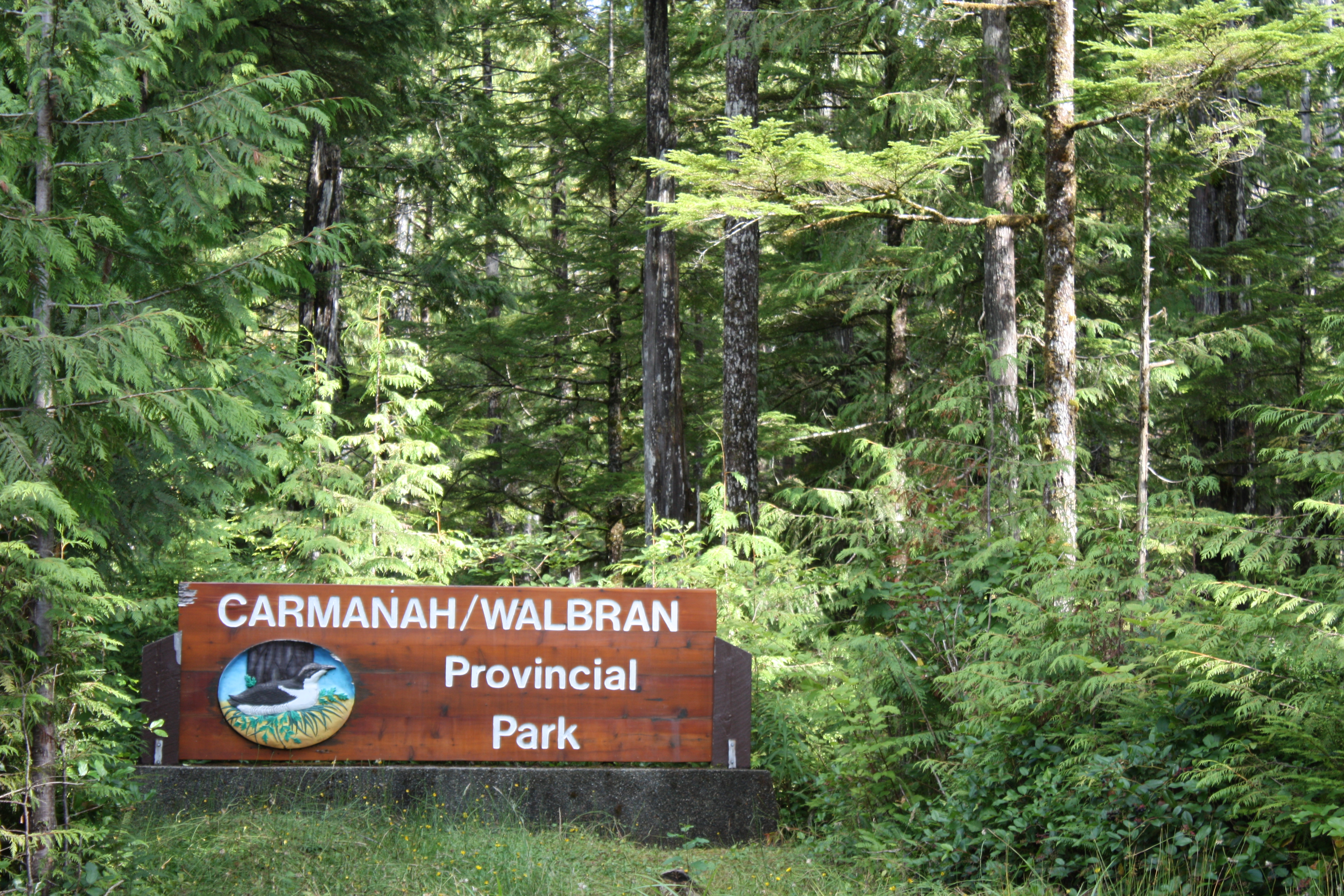
British Columbia, CA
You might spot Pacific Banana Slug and Round-Leaved Sundew.
View guide →
Take the discovery with you
Snap it with Snappit to identify it, learn what makes it special, and add the discovery to your collection.







.jpg&width=800)


_001.jpg&width=800)



