





Lesser Hedgehog Tenrec
echinops telfairi
The Lesser Hedgehog Tenrec is a small, adorable mammal that loves to explore its surroundings. With its spiky fur and tiny face, it's a fun animal to learn about and watch in the wild!
Habitat: This species lives in the forests and shrublands of Madagascar.
The Lesser Hedgehog Tenrec has a small, compact body covered in short, stiff quills that range from greyish-brown to creamy white. It has a pointed snout, relatively large ears, and small eyes, giving it a more delicate appearance than a true hedgehog.
Category
MammalsRarity
Common
Danger
1/5 · Very low
Snaps
Be the first to snap!
During the dry season, they can 'sleep' for months, lowering their body temperature to save energy!
They are not true hedgehogs; they're more related to elephants than typical hedgehogs!
They sometimes 'anoint' themselves with saliva mixed with strong smells, a mysterious behavior!
Unlike porcupines, their quills are smooth and just for protection, not barbed or thrown!
Lesser Hedgehog Tenrec can roll into a tight, spiky ball because it helps them become a difficult meal for predators.
Lesser Hedgehog Tenrec has the ability to enter torpor, a deep sleep, that helps them survive long dry seasons.
Lesser Hedgehog Tenrec can find hidden prey because of their excellent sense of smell and large, sensitive ears.
These tiny tenrecs mostly munch on insects and other small critters they forage for at night.

Cryptoprocta ferox
Fossa often hunt these tenrecs, especially younger or exposed individuals.
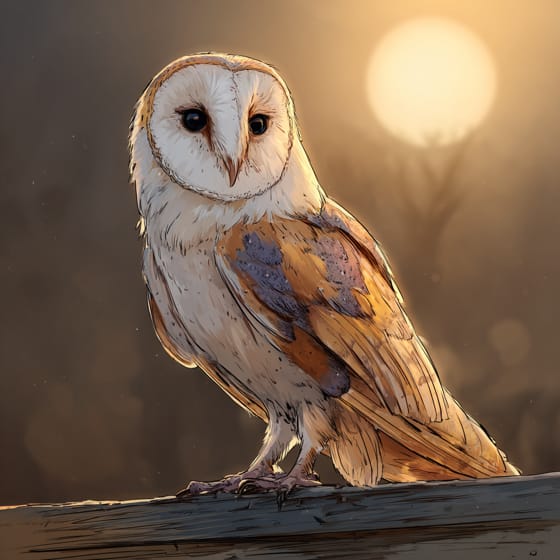
Tyto alba
Barn owls are opportunistic predators, including tenrecs in their diet.
Gryllus bimaculatus
Feeds heavily on crickets, a vital energy source in its natural habitat.
Furry describes animals possessing a dense covering of soft hair or fur.
Solitary animals live alone for most of their lives, only interacting with others for mating or parental care.
Forest habitats are terrestrial environments dominated by dense tree cover, supporting a high diversity of plant and animal life.
This trait identifies organisms whose diet consists entirely or primarily of animal tissue.

Nocturnal animals are primarily active during the nighttime hours, typically resting or sleeping during the day.
Danger
1/5 · Very low
No special safety notes yet.
The easiest way to identify Lesser Hedgehog Tenrec is to use the Snappit nature identifier app.
12-17 cm
0.1-0.25 kg
6-10 years
8 km/h
These tiny tenrecs mostly munch on insects and other small critters they forage for at night.
This species lives in the forests and shrublands of Madagascar.
Foraging
Zoom in to split clusters and explore where this object has been snapped.
Recent snaps will appear here as new observations are added.
Take the discovery with you
Snap it with Snappit to identify it, learn what makes it special, and add the discovery to your collection.




.jpg&width=800)


.JPG&width=800)



.jpg&width=800)
