_Figures_1%E2%80%934.jpg&width=800)





Leucopis
Leucopis
Leucopis are small, delicate insects that are often found in gardens and fields. They help keep plants healthy by eating tiny pests that can harm them.
Habitat: Gardens
The Leucopis is a tiny fly, often sporting a distinctive silvery-grey body with dark spots on its abdomen. It has clear wings and pale, delicate legs, making it appear almost ghostly. Its small size and muted colors help it blend into its plant-filled environment, differentiating it from larger, more brightly colored flies.
Category
InsectsRarity
Common
Danger
1/5 · Very low
Snaps
Be the first to snap!
Adult Leucopis flies often sparkle with a silvery-grey coating, making them look like tiny jewels!
Despite being flies, their larvae don't have legs and wiggle like tiny worms to find food!
Some types of Leucopis are so good at pest control, farmers use them as natural bodyguards for plants!
These expert hunters lay their eggs right near their prey, so babies hatch surrounded by food!
Leucopis larvae can hunt and eat harmful plant pests because of their predatory mouthparts, helping them control insect populations.
Adult Leucopis flies have mouthparts that help them sip sugary honeydew, giving them energy to fly and reproduce.
Leucopis can lay eggs directly near prey because of their sensing abilities, ensuring their larvae hatch surrounded by food.
Leucopis larvae are mighty hunters of tiny plant pests, while adults sip sweet honeydew!
Age differences: Larvae are predatory, but adults feed on sweet honeydew and pollen for energy.
Aphis gossypii
Larvae eat these garden pests.
Myzus persicae
Larvae devour these aphids on plants.
Phidippus audax
Jumping spiders hunt adult Leucopis.
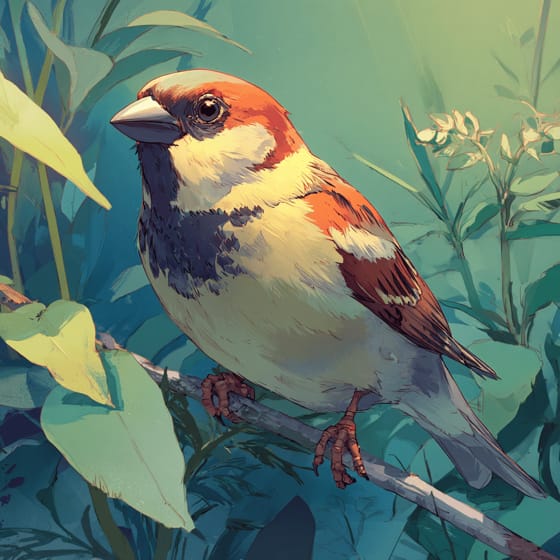
Passer domesticus
Birds eat adult Leucopis flies.
Solitary animals live alone for most of their lives, only interacting with others for mating or parental care.
This trait identifies organisms whose diet primarily consists of insects and other small invertebrates.
Diurnal animals are primarily active during daylight hours, typically resting or sleeping at night.
Describes a species whose presence and role have a disproportionately large effect on its environment.

Pertaining to species that are significantly smaller than typical or average for their kind.

This habitat trait indicates species that can coexist with humans in urban and suburban environments, utilizing man-made structures and green spaces.

Describes organisms that transfer pollen, enabling the fertilization and reproduction of plants.
No aliases listed yet.
Danger
1/5 · Very low
Leucopis are harmless and won't hurt you, but it's best to look at them without touching.
The easiest way to identify Leucopis is to use the Snappit nature identifier app.
2-5 mm
1-3 mm
20-40 days
Leucopis larvae are mighty hunters of tiny plant pests, while adults sip sweet honeydew!
Gardens
Foraging
6
Zoom in to split clusters and explore where this object has been snapped.
Recent snaps will appear here as new observations are added.
Take the discovery with you
Snap it with Snappit to identify it, learn what makes it special, and add the discovery to your collection.








.jpg&width=800)



