.jpg&width=800)





Holarctic Azures
Celastrina
Holarctic Azures are small, beautiful butterflies that flit around gardens and meadows. Their lovely blue wings can make them look like little pieces of the sky!
Habitat: Forests and meadows
The Holarctic Azures has iridescent blue wings, often with dusky borders, and a white or pale grey underside sometimes marked with faint spots. This vibrant blue hue, caused by light interacting with microscopic scales, makes them stand out against green foliage.
Category
InsectsRarity
Common
Danger
1/5 · Very low
Snaps
1
Different Azure species can look identical but actually prefer different host plants!
Some Azure caterpillars 'talk' to ants using sugary secretions to get protection!
Their vibrant blue color comes from light bouncing off scales, not from blue pigments.
They spend most of their life as a tiny munching caterpillar before becoming a butterfly.
Holarctic Azures larvae can produce a sugary liquid from a special gland that attracts ants, that helps them gain protection from predators.
Holarctic Azures has structurally colored wings that appear brilliant blue in direct sunlight because of microscopic scales, that helps them attract mates.
Holarctic Azures has pale undersides, often with subtle patterns, that helps them blend into their surroundings when resting, hiding from hungry birds.
Adults sip sweet flower nectar, while their caterpillar babies munch on plant leaves.
Age differences: Larvae (caterpillars) eat leaves and buds; adults drink nectar.
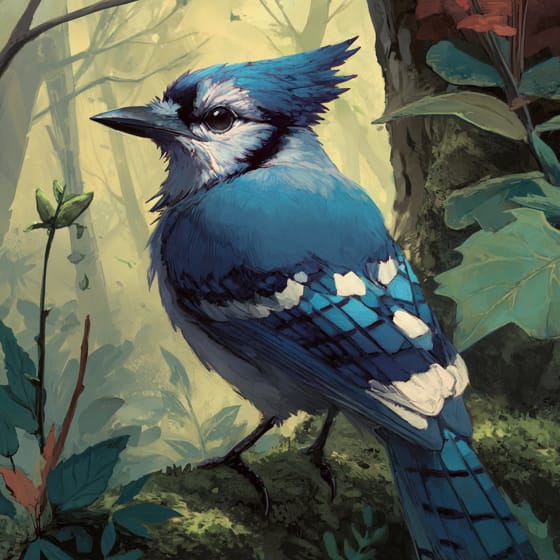
Cyanocitta cristata
Adult butterflies are a food source for insectivorous birds like jays.

Taraxacum officinale
Adults visit dandelions, transferring pollen between flowers.
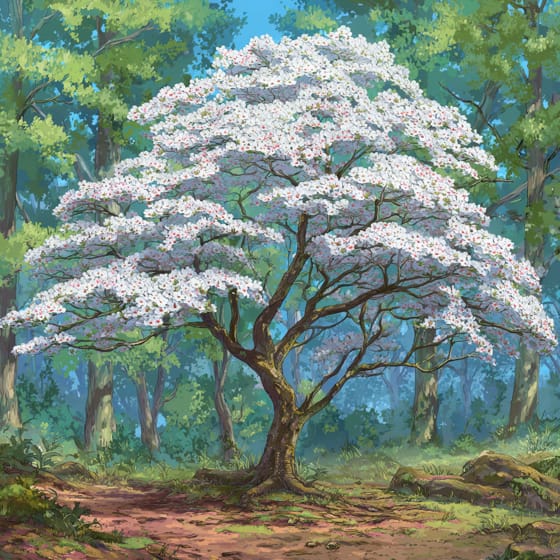
Cornus florida
Its leaves are a common host plant for Azure caterpillars to eat.
Formica pallidefulva
Ants protect Azure caterpillars in exchange for sugary secretions.
Colorful describes organisms or objects displaying a wide range of bright and distinct colors.
Grassland habitats are terrestrial biomes dominated by grasses and herbaceous plants, supporting a variety of grazing animals.
This trait characterizes organisms whose diet consists entirely or primarily of plant material.
Describes plants that are particularly attractive and beneficial to a wide range of pollinating organisms.

Forest habitats are terrestrial environments dominated by dense tree cover, supporting a high diversity of plant and animal life.

Diurnal animals are primarily active during daylight hours, typically resting or sleeping at night.

Migratory animals undertake seasonal movements from one region to another, typically in response to changes in climate or food availability.

Describes organisms that transfer pollen, enabling the fertilization and reproduction of plants.
No aliases listed yet.
Danger
1/5 · Very low
Always watch butterflies from a distance so they feel safe.
The easiest way to identify Holarctic Azures is to use the Snappit nature identifier app.
20-35 mm
10-20 mm
10-25 days
8 km/h
Adults sip sweet flower nectar, while their caterpillar babies munch on plant leaves.
Forests and meadows
Foraging
Zoom in to split clusters and explore where this object has been snapped.
Take the discovery with you
Snap it with Snappit to identify it, learn what makes it special, and add the discovery to your collection.







.jpg&width=800)


