





Lilac-breasted Roller
Coracias caudatus
The Lilac-breasted Roller is a colorful bird with bright blue and lilac feathers. It loves to perch on trees and is often seen in open areas, making it a beautiful sight to see in nature.
Habitat: Savannas
The Lilac-breasted Roller has a dazzling array of colors, with a bright lilac breast, turquoise belly, and dark blue primary feathers. Its back is reddish-brown, contrasting with its vibrant head and throat.
Category
BirdsRarity
Common
Danger
1/5 · Very low
Snaps
Be the first to snap!
Despite their vibrant looks, their call is a harsh, chattering sound, not pretty!
These colorful birds often use old woodpecker or barbet tree holes to build their nests.
They can eat venomous scorpions, carefully removing the stinger first!
They perform spectacular "rolling" courtship flights, twisting and diving in the air!
Lilac-breasted Rollers can catch insects in mid-air with their agile flight because that helps them grab fast-moving prey.
Lilac-breasted Rollers have brilliantly colored feathers that help them attract mates and communicate during stunning aerial displays.
Lilac-breasted Rollers can spot tiny insects and lizards from high perches, helping them efficiently hunt from above.
These colorful birds mostly eat insects, but also enjoy small reptiles and amphibians!
Aquila rapax
Larger birds of prey, like eagles, can occasionally hunt them.
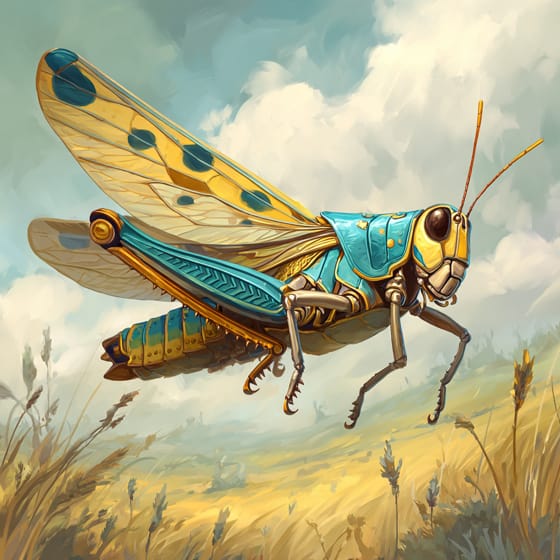
Locusta migratoria
Rollers prey on large insects like locusts, controlling their populations.
Dendropicos griseocephalus
Rollers nest in tree cavities, often old ones excavated by woodpeckers.
Agama agama
Rollers hunt small reptiles such as lizards from their high perches.
Feathered describes animals, primarily birds, possessing a covering of feathers.
Social animals live in organized groups, cooperating for survival benefits such as foraging, defense, and raising offspring.
Aerial creatures spend a significant portion of their lives airborne, utilizing flight for various activities such as hunting, migration, or nesting.
Colorful describes organisms or objects displaying a wide range of bright and distinct colors.

This trait identifies organisms whose diet primarily consists of insects and other small invertebrates.

This habitat trait denotes species native to savannas, which are grasslands with scattered trees, typically found in tropical or subtropical regions with distinct wet and dry seasons.

Diurnal animals are primarily active during daylight hours, typically resting or sleeping at night.

This trait identifies organisms that exhibit exceptional swiftness in movement for hunting, escape, or travel.
No aliases listed yet.
Danger
1/5 · Very low
Always watch birds from a distance and don't try to touch them.
The easiest way to identify Lilac-breasted Roller is to use the Snappit nature identifier app.
30-37 cm
50-58 cm
0.1-0.15 kg
8-10 years
60 km/h
These colorful birds mostly eat insects, but also enjoy small reptiles and amphibians!
Savannas
Zoom in to split clusters and explore where this object has been snapped.
Recent snaps will appear here as new observations are added.
Take the discovery with you
Snap it with Snappit to identify it, learn what makes it special, and add the discovery to your collection.




.jpg&width=800)








