





Lined Snake
Tropidoclonion lineatum
The Lined Snake is a small, friendly snake with beautiful stripes. It loves to hide in grass and under leaves, making it a sneaky little creature in nature.
Habitat: Grasslands
The Lined Snake is a small, slender serpent, typically grey or brown with a distinctive light-colored stripe running down its back. It often has two rows of small dark spots on its sides, which can make it visually different from other plain-backed garter snakes.
Category
ReptilesRarity
Common
Danger
1/5 · Very low
Snaps
Be the first to snap!
Even as babies, Lined Snakes are born looking like tiny versions of adults!
Lined Snakes are mostly active at dusk and dawn, making them hard to spot!
These tiny snakes usually eat earthworms and slugs, acting as garden helpers!
Unlike many snakes, they prefer to be out during cooler parts of the day.
Lined Snakes give birth to live young (ovoviviparous) that helps their babies survive better without needing a nest.
Lined Snakes can burrow easily into soft soil because of their slender bodies that helps them find shelter and prey.
Lined Snakes have a light stripe down their back that helps them blend into grass and leaf litter, hiding from predators.
They love to munch on soft-bodied invertebrates like worms and slugs.
Lumbricus terrestris
A primary food source found in their damp habitats.
Deroceras reticulatum
Actively seeks out these slow-moving invertebrates in gardens.
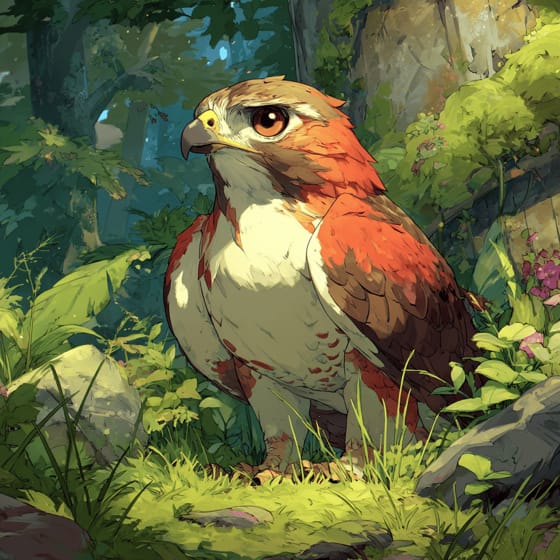
Buteo jamaicensis
Large birds of prey hunt them from above.

Coluber constrictor
Larger snakes sometimes prey on Lined Snakes.
Marked with parallel bands or lines of color.
Solitary animals live alone for most of their lives, only interacting with others for mating or parental care.
Camouflaged describes organisms that possess coloring or patterns that allow them to blend into their environment.
Colorful describes organisms or objects displaying a wide range of bright and distinct colors.

Grassland habitats are terrestrial biomes dominated by grasses and herbaceous plants, supporting a variety of grazing animals.

This trait identifies organisms whose diet primarily consists of insects and other small invertebrates.

Diurnal animals are primarily active during daylight hours, typically resting or sleeping at night.

This trait identifies organisms that exhibit exceptional swiftness in movement for hunting, escape, or travel.
No aliases listed yet.
Danger
1/5 · Very low
If you see a snake, it's best to watch it from a distance and not touch it.
The easiest way to identify Lined Snake is to use the Snappit nature identifier app.
20-40 cm
0.01-0.05 kg
3-5 years
0.5 km/h
They love to munch on soft-bodied invertebrates like worms and slugs.
Grasslands
Foraging
Zoom in to split clusters and explore where this object has been snapped.
Recent snaps will appear here as new observations are added.
Take the discovery with you
Snap it with Snappit to identify it, learn what makes it special, and add the discovery to your collection.












