.jpg&width=800)





Little Blue Dragonlet
Erythrodiplax minuscula
The Little Blue Dragonlet is a tiny dragonfly with beautiful blue wings. They love to flutter around near water and are often seen resting on plants. Their small size makes them special and easy to spot!
Habitat: Wetlands
The Little Blue Dragonlet is a tiny dragonfly, typically bright, iridescent blue on its body, especially males. Its clear wings have a dark spot called a stigma, and its legs are often yellowish. Females can appear more brownish-yellow.
Category
InsectsRarity
Common
Danger
1/5 · Very low
Snaps
Be the first to snap!
A Little Blue Dragonlet nymph lives underwater for months, then sheds its skin to fly!
Dragonflies are ancient insects; their ancestors flew the Earth over 300 million years ago!
Dragonflies form a heart-shaped 'mating wheel' in mid-air, a unique way to reproduce!
Its underwater babies, called nymphs, can breathe through gills inside their bottom!
Little Blue Dragonlets have huge compound eyes that provide almost 360-degree vision, helping them spot tiny prey and avoid predators.
Little Blue Dragonlets can hover, fly backward, and change direction instantly because of their powerful, independently moving wings.
Little Blue Dragonlets can snatch flying insects right out of the air using their spiky legs, acting like a net.
They are swift aerial hunters, feasting on small flying insects they catch mid-air.
Age differences: Nymphs hunt aquatic insect larvae and small aquatic invertebrates underwater.
Anopheles quadrimaculatus
Keeps mosquito populations in check.
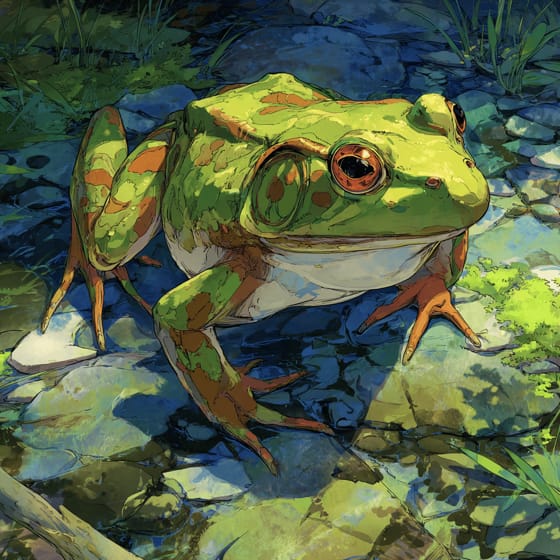
Lithobates catesbeianus
Bullfrogs prey on adult dragonflies near water.
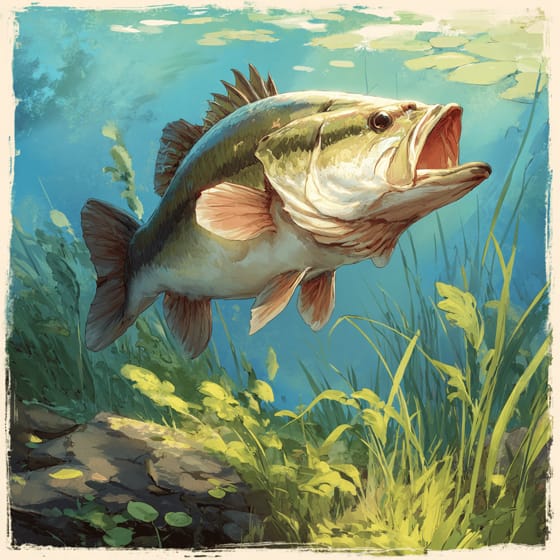
Micropterus salmoides
Large fish eat dragonlet nymphs in the water.
Aerial creatures spend a significant portion of their lives airborne, utilizing flight for various activities such as hunting, migration, or nesting.
Colorful describes organisms or objects displaying a wide range of bright and distinct colors.
This trait identifies organisms whose diet primarily consists of insects and other small invertebrates.
Describes plants that are particularly attractive and beneficial to a wide range of pollinating organisms.

This habitat trait identifies species found in wetlands, which are areas of land saturated with water, either permanently or seasonally, including marshes, swamps, and bogs.

Diurnal animals are primarily active during daylight hours, typically resting or sleeping at night.

Freshwater habitats include non-saline aquatic environments such as rivers, lakes, ponds, and wetlands, vital for numerous species.

Pertaining to species that are significantly smaller than typical or average for their kind.

This trait identifies organisms that exhibit exceptional swiftness in movement for hunting, escape, or travel.

Describes organisms that transfer pollen, enabling the fertilization and reproduction of plants.
No aliases listed yet.
Danger
1/5 · Very low
Be gentle and quiet around dragonflies so you don't scare them away.
The easiest way to identify Little Blue Dragonlet is to use the Snappit nature identifier app.
35-45 mm
20-25 mm
28-60 days
28 km/h
They are swift aerial hunters, feasting on small flying insects they catch mid-air.
Wetlands
Pursuit
Zoom in to split clusters and explore where this object has been snapped.
Recent snaps will appear here as new observations are added.
Take the discovery with you
Snap it with Snappit to identify it, learn what makes it special, and add the discovery to your collection.








.jpg&width=800)



