_-_Flickr_-_2ndPeter.jpg&width=800)





Little Brown Skink
Scincella lateralis
The Little Brown Skink is a small, shiny lizard that loves to hide in leaves and grass. It has a long body and a tiny head, making it very cute and quick!
Habitat: Grasslands
The Little Brown Skink is a slender, glossy lizard with smooth, shiny scales. It typically has a bronzy-brown back and a distinct dark stripe running along each side, from its snout to its tail. Its belly is usually a paler, yellowish-white color.
Category
ReptilesRarity
Common
Danger
1/5 · Very low
Snaps
14
Female skinks sometimes guard their eggs until they hatch, being a super mom!
Little brown skinks can find their way home even after being moved!
Their scales are so shiny, they look almost like tiny, living jewels!
When they burrow into soil, they wiggle their bodies like a miniature snake!
Little Brown Skink can drop its tail to confuse predators, giving it a chance to escape danger when threatened.
Little Brown Skink has a camouflaged body that helps them blend perfectly into leaf litter, making them hard to spot.
Little Brown Skink has super smooth, shiny scales that help them slip through tight spaces and leaf litter quickly.
Tiny insectivores, they munch on small bugs, spiders, and other little invertebrates found on the ground.
Coluber constrictor
A common snake predator in their habitat.
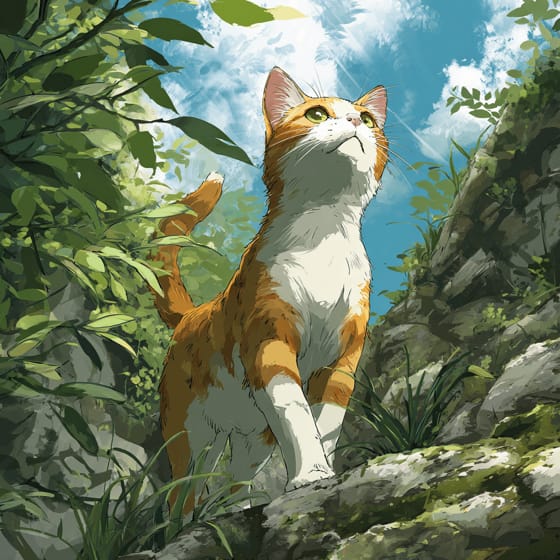
Felis catus
Often hunted by common house cats.
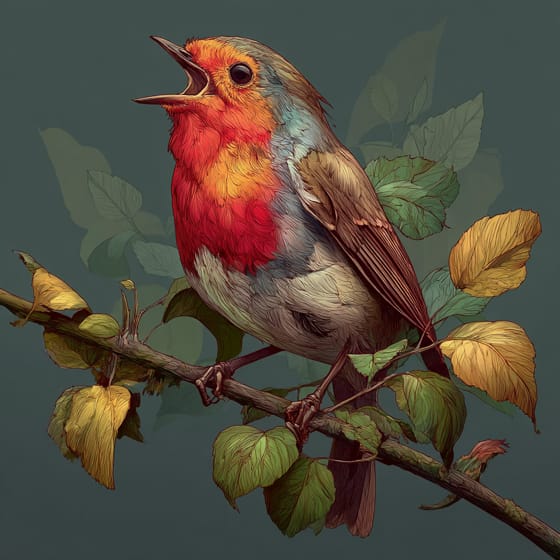
Turdus migratorius
Birds snatch them from leaf litter.
Solitary animals live alone for most of their lives, only interacting with others for mating or parental care.
Camouflaged describes organisms that possess coloring or patterns that allow them to blend into their environment.
Grassland habitats are terrestrial biomes dominated by grasses and herbaceous plants, supporting a variety of grazing animals.
This trait identifies organisms whose diet primarily consists of insects and other small invertebrates.

Describes organisms that break down dead organic material, recycling nutrients back into the ecosystem.

Pertaining to species that are significantly smaller than typical or average for their kind.

This trait identifies organisms that exhibit exceptional swiftness in movement for hunting, escape, or travel.
No aliases listed yet.
Danger
1/5 · Very low
If you see a skink, watch it from a distance and don't try to catch it.
The easiest way to identify Little Brown Skink is to use the Snappit nature identifier app.
7-14 cm
0.001-0.005 kg
1-4 years
3 km/h
Tiny insectivores, they munch on small bugs, spiders, and other little invertebrates found on the ground.
Grasslands
Foraging
Zoom in to split clusters and explore where this object has been snapped.

Alabama, US
You might spot Anole, Eastern Box Turtle, and Resurrection Fern.
View guide →

Louisiana, US
You might spot Mississippi River Wakerobin and Lyreleaf Sage.
View guide →

Texas, US
You might spot Honey Mesquite, Anacua, and Alamo Vine.
View guide →

North Carolina, US
You might spot African Penguin, Tiger, and Red Panda.
View guide →

North Carolina, US
You might spot American Tuliptree and Eastern Tiger Swallowtail.
View guide →

Texas, US
You might spot Duck, Egyptian Goose, and Black-Bellied Whistling-Duck.
View guide →
Take the discovery with you
Snap it with Snappit to identify it, learn what makes it special, and add the discovery to your collection.














