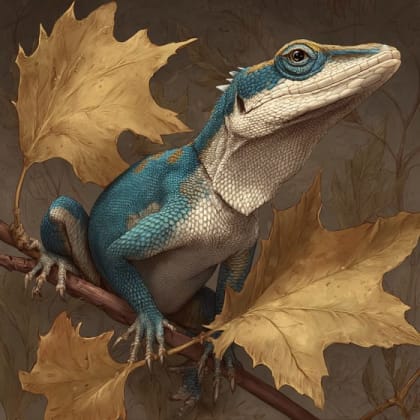





Anole

San Antonio Missions National Historical Park offers a profound journey into Texas's rich Spanish Colonial past.
San Antonio Missions National Historical Park offers a profound journey into Texas's rich Spanish Colonial past. This UNESCO World Heritage Site preserves four eighteenth-century frontier missions, showcasing a unique blend of Spanish and Native American cultures. It serves as a living museum, inviting visitors to explore centuries-old traditions, impressive architectural feats, and a compelling story of cultural exchange.
The park encompasses Mission San José, often called the "Queen of the Missions," featuring its iconic Rose Window, a restored gristmill, and granary, providing a glimpse into a self-sustaining community. Mission Concepción boasts the oldest unrestored stone church in America, where remnants of vibrant frescoes still adorn its interior walls. Mission San Juan highlights agricultural practices with its historic farmlands and acequia (irrigation system), complemented by a serene nature trail. Further south, Mission Espada, the oldest of the Texas missions, showcases a distinctive arched doorway and the engineering marvel of the Espada Aqueduct, still functional today.
Visiting the San Antonio Missions National Historical Park offers an immersive experience, allowing you to walk in the footsteps of missionaries and native inhabitants. Whether you prefer to cycle or stroll along the scenic Mission Reach Trail connecting the missions, or delve into ranger-led programs, the park provides an unforgettable encounter with Texas history and a deeper appreciation for the resilience and ingenuity of its early inhabitants. The active Catholic parishes within the missions also offer a unique spiritual dimension to the visit. Turn your visit into a safari! Use the Snappit app to scan and log wildlife sightings here.
The San Antonio Missions National Historical Park preserves four of the five Spanish frontier missions established along the San Antonio River in the 18th century, with the first founded in 1718. These missions, including San José, San Juan, Espada, and Concepción, were part of a broader Spanish colonization system aimed at spreading Christianity and integrating the native population into Spanish colonial society. They functioned not only as religious centers but also as thriving economic, social, and cultural hubs, where indigenous communities contributed their skills and traditions, shaping the architecture, agriculture, and daily life within the mission compounds. The missions flourished between 1747 and 1775, becoming some of the most successful Spanish communities in Texas. In 1978, the park was established through the collaborative efforts of the Catholic Archdiocese of San Antonio, Texas Parks and Wildlife Department, the San Antonio Conservation Society, and the U.S. Department of the Interior. In 2015, the San Antonio Missions, along with the Alamo (which is not part of the national park but is closely tied to its history), were collectively designated a UNESCO World Heritage Site, recognizing their outstanding universal value.
Explore the mission churches and compounds, which are active Catholic parishes.
* Walk or bike the scenic 8-mile Mission Reach Trail that connects all four missions along the San Antonio River.
* Watch the 23-minute park film, "Gente de Razón," at the Mission San José Visitor Center to learn about mission history.
* Join ranger-led programs and guided tours offered daily at Mission San José for deeper insights.
* Visit the Espada Aqueduct, a testament to Spanish colonial engineering.
Summers are hot, so driving between missions or visiting early/late is advisable. The Mission Reach Trail is best enjoyed in cooler weather. Check the park's calendar for seasonal events and demonstrations.
The park prioritizes accessibility with most missions featuring paved walkways, ramps, and accessible restrooms. Free public WiFi is available at visitor information kiosks and on mission grounds. Tactile exhibits and audio descriptions are available for visitors with blind/low vision.
The park's main visitor center, the stunning Rose Window, a reconstructed gristmill, and granary, and impressive stonework.
The oldest unrestored stone church in America, featuring original Spanish colonial frescoes inside.
Agricultural fields, a historic acequia, and the Yanaguana Nature Trail, offering views of riparian habitats.
The distinct arched doorway, and the nearby Espada Aqueduct, an 18th-century engineering marvel that still functions.
Each card links to a full Explore page with photos, traits, and fun facts.
Start with the big picture, then zoom in to explore individual wildlife observations around this place.
Start at Mission San José
Begin your visit at the Mission San José Visitor Center to watch the park film, grab maps, and get an overview of the missions' history and purpose.
Consider biking or walking the Mission Reach Trail: This scenic trail offers a unique and active way to experience the connections between the missions and the natural environment.
Wear comfortable shoes and bring water
You'll be doing a lot of walking, and San Antonio weather can be warm, so prioritize comfort and hydration.
Check for active church services
All four mission churches still hold regular services. Be respectful if you visit during a mass or other religious ceremony.
Don't miss the Espada Aqueduct
This engineering marvel is a significant historical feature and is still in use, offering great photo opportunities and a tangible link to the past.
Take advantage of ranger programs
Ranger-led tours and programs at Mission San José can provide valuable historical context and engaging stories that enhance your visit.
Jun 17, 2026
Jun 17, 2026
Jun 17, 2026
Jun 17, 2026
Jun 16, 2026

Maryland, US
You might spot White-Tailed Deer and Eastern Gray Squirrel.
View guide →
.jpg)
District of Columbia, US
You might spot Eastern Gray Squirrel, Duck, and House Sparrow.
View guide →

Illinois, US
You might spot American Robin, Canada Goose, and House Sparrow.
View guide →

Virginia, US
You might spot Spotted Lanternfly and Northern Cardinal.
View guide →
Take the discovery with you
Identify the wildlife you spot, learn as you go, and keep a collection of the adventure.















.jpg&width=800)