.jpg&width=800)





Little Ringed Plover
Thinornis dubius
The Little Ringed Plover is a small bird that loves to live near water. It has a cute round body and a special ring around its neck that makes it easy to spot!
Habitat: Coastal areas
The Little Ringed Plover has a sandy-brown back, white underparts, and a distinct black and white head pattern. Its striking yellow eye-ring makes it stand out from similar shorebirds and it also has a black breast band.
Category
BirdsRarity
Common
Danger
1/5 · Very low
Snaps
Be the first to snap!
Baby plovers hatch with open eyes and can run just hours later!
Their yellow eye-ring looks like nature's cool sunglasses!
These tiny birds can travel across entire continents to find food.
They often nest on exposed gravel, even on factory rooftops.
Little Ringed Plover can fake an injury to distract predators, drawing them away from its hidden nest.
Little Ringed Plover has eggs and chicks perfectly camouflaged on stony ground, helping them hide from danger.
Little Ringed Plover can detect hidden prey by sensing tiny vibrations in the ground with its feet.
They snack on tiny insects and worms found in muddy or wet places.
Chironomus plumosus
A key food source in muddy habitats.
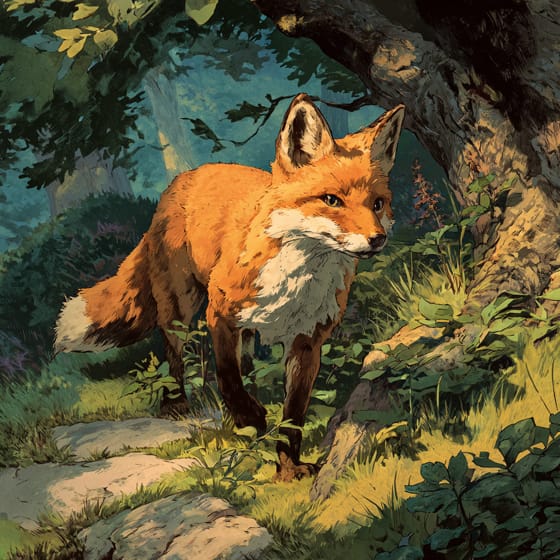
Vulpes vulpes
Preys on eggs, chicks, and adult birds.
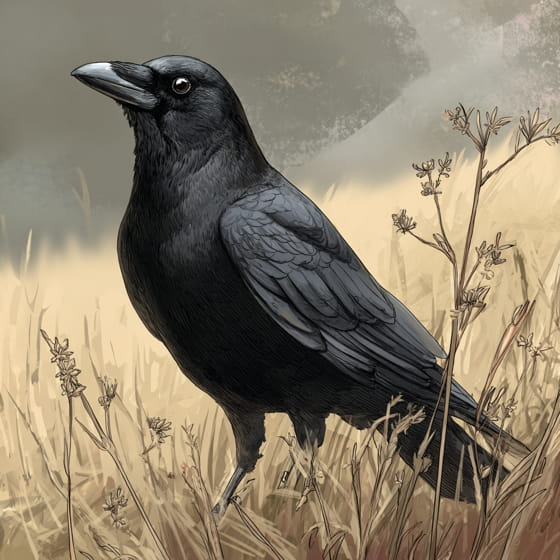
Corvus corone
Often steals eggs and young from nests.
Feathered describes animals, primarily birds, possessing a covering of feathers.
Social animals live in organized groups, cooperating for survival benefits such as foraging, defense, and raising offspring.
This trait identifies organisms whose diet primarily consists of insects and other small invertebrates.
Coastal habitats are dynamic environments located along the interface between land and sea, influenced by tides, waves, and saltwater.

Diurnal animals are primarily active during daylight hours, typically resting or sleeping at night.

This trait identifies organisms that exhibit exceptional swiftness in movement for hunting, escape, or travel.

Aquatic habitats encompass environments where organisms live predominantly in water, including oceans, rivers, lakes, and wetlands.
No aliases listed yet.
Danger
1/5 · Very low
Always watch birds from a distance and don't disturb their nests.
The easiest way to identify Little Ringed Plover is to use the Snappit nature identifier app.
14-17 cm
42-47 cm
0.032-0.048 kg
8-12 years
70 km/h
They snack on tiny insects and worms found in muddy or wet places.
Coastal areas
Zoom in to split clusters and explore where this object has been snapped.
Recent snaps will appear here as new observations are added.
Take the discovery with you
Snap it with Snappit to identify it, learn what makes it special, and add the discovery to your collection.




.jpg&width=800)









