





Little Wood Satyr
Megisto cymela
The Little Wood Satyr is a small butterfly that loves to flutter around in the woods. With its brown wings and beautiful patterns, it can be hard to spot, but it's always a delightful surprise when you do!
Habitat: Forests
The Little Wood Satyr is a small to medium-sized butterfly, typically dull brown or grayish-brown, often with two prominent black eyespots ringed in yellow on each hindwing. Its forewings also feature smaller, less distinct eyespots. The mottled undersides help it blend seamlessly with tree bark and dried leaves.
Category
InsectsRarity
Common
Danger
1/5 · Very low
Snaps
59
Its caterpillar is nocturnal, munching grass blades under the cover of darkness!
Males release special scents from their wings to find a mate!
These butterflies are one of the very first to flutter in early spring!
They often bask in sunlit patches within shady woodlands!
Little Wood Satyr can disappear by matching its wings to tree bark and leaves, which helps them hide from hungry birds.
Little Wood Satyr has fake 'eyespots' on its wings that trick predators into aiming at non-vital body parts.
Little Wood Satyr can fly with a bouncy, erratic pattern, which helps them evade predators among the trees and dense undergrowth.
Adults sip tree sap and nectar; young munch on various grasses.
Age differences: Caterpillars consume a variety of grasses, while adult butterflies primarily feed on tree sap, nectar, and sometimes rotting fruit.
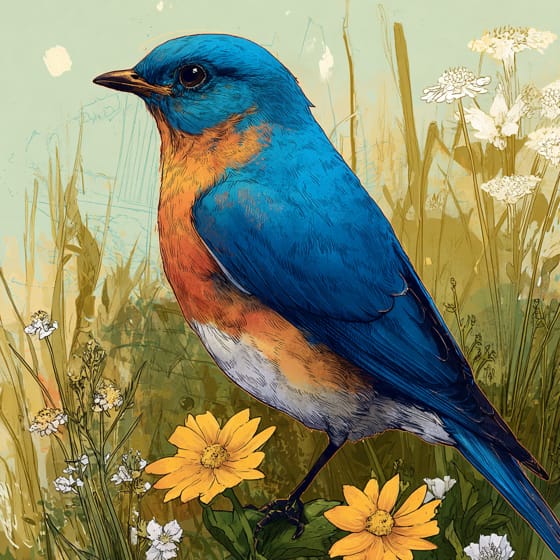
Sialia sialis
Adults are a food source for many insectivorous birds.
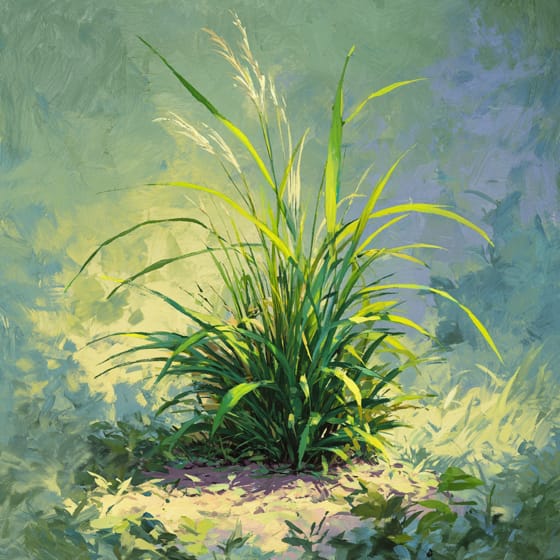
Poa pratensis
Caterpillars feed on leaves of this and other grasses.
Apocynum cannabinum
Adults visit flowers for nectar, aiding in plant reproduction.
Solitary animals live alone for most of their lives, only interacting with others for mating or parental care.
Camouflaged describes organisms that possess coloring or patterns that allow them to blend into their environment.
This trait characterizes organisms whose diet consists entirely or primarily of plant material.
Describes plants that are particularly attractive and beneficial to a wide range of pollinating organisms.

Forest habitats are terrestrial environments dominated by dense tree cover, supporting a high diversity of plant and animal life.

Diurnal animals are primarily active during daylight hours, typically resting or sleeping at night.

Describes organisms that transfer pollen, enabling the fertilization and reproduction of plants.
No aliases listed yet.
Danger
1/5 · Very low
Always look but don't touch butterflies, as they are delicate and need to be safe.
The easiest way to identify Little Wood Satyr is to use the Snappit nature identifier app.
38-50 mm
12-18 mm
7-14 days
10 km/h
Adults sip tree sap and nectar; young munch on various grasses.
Forests
Foraging
Zoom in to split clusters and explore where this object has been snapped.

New York, US
You might spot Sundial Lupine, Spotted Horsemint, and New Jersey Tea.
View guide →

Michigan, US
You might spot Eastern Gray Squirrel, Tree-Of-Heaven, and House Sparrow.
View guide →

District of Columbia, US
You might spot Eastern Gray Squirrel, Duck, and House Sparrow.
View guide →

Vermont, US
You might spot Asian Bittersweet, Alder Buckthorn, and Eastern Newt.
View guide →

Arkansas, US
You might spot Widow's-Cross, Yucca Giant-Skipper, and Outis Skipper.
View guide →

US
You might spot Wharf Louse, Osprey, and Ruddy Turnstone.
View guide →
Take the discovery with you
Snap it with Snappit to identify it, learn what makes it special, and add the discovery to your collection.







.jpg&width=800)



