


Wild Lupine

The Albany Pine Bush Preserve protects one of the world's most extraordinary inland pine barrens ecosystems.
The Albany Pine Bush Preserve protects one of the world's most extraordinary inland pine barrens ecosystems. This 3,400-acre natural preserve, a National Natural Landmark, is a unique landscape of rolling sand dunes and fire-dependent pitch pine-scrub oak forests, providing a critical habitat for numerous rare and endangered species found nowhere else.
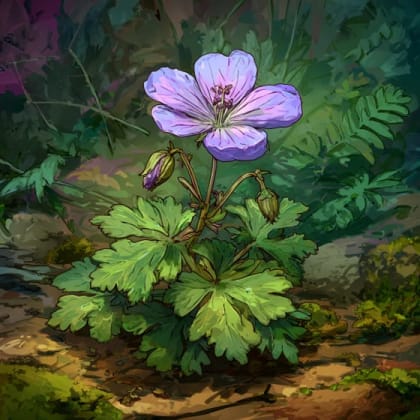
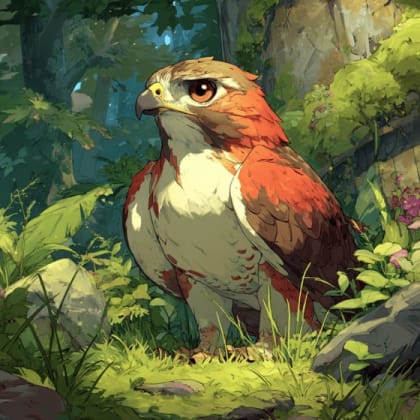
Visitors can explore nearly 20 miles of multi-use trails, winding through distinct habitats where iconic species thrive. Keep an eye out for the federally endangered Karner Blue butterfly, which relies on the vibrant Wild Blue Lupine for survival, a plant that transforms parts of the preserve into a sea of purple-blue in late spring. The preserve is also home to unique reptiles like the Eastern Hognose Snake and the Spotted Turtle, and a diverse array of birds such as the Prairie Warbler, Eastern Towhee, and Northern Saw-whet Owl.
A visit to the Albany Pine Bush offers an unparalleled opportunity to connect with a globally significant natural heritage site right in New York's Capital District. The Discovery Center serves as an excellent starting point, offering interactive exhibits that illuminate the preserve's rich geological, natural, and cultural history. It's a place where you can witness the ongoing conservation efforts that protect this delicate ecosystem and its remarkable inhabitants, making it a truly memorable experience for all ages. Eager to name that creature? Identify any animal you find during your visit using the Snappit app.
The Albany Pine Bush is an ancient landscape, formed approximately 12,000 to 15,000 years ago following the drainage of Glacial Lake Albany, which left behind the distinctive sand dunes that characterize the area today. For centuries, this unique ecosystem was shaped by frequent wildfires, which maintained its open, pine-scrub oak barren structure. However, with European settlement and subsequent urban development, much of the original 40 square miles of pine barrens was lost, and fire suppression efforts altered the natural balance. Recognizing the immense ecological value and the threats facing this rare habitat, the New York State Legislature established the Albany Pine Bush Preserve Commission in 1988. This commission was tasked with the crucial mission of protecting and managing the preserve, ensuring the survival of its unique flora and fauna through active conservation efforts, including controlled burns to mimic natural fire regimes. In 2014, the preserve received national recognition when it was designated a U.S. National Natural Landmark.
Engage in hiking, jogging, mountain biking, or horseback riding on designated trails. Birdwatching is highly rewarding, as the preserve is an Important Bird Area. Participate in educational programs, guided hikes, or citizen science initiatives offered by the Discovery Center.
During spring, summer, and fall, trails can be hot and dry; remember to bring water and sun protection. In winter, trails can become icy, so consider bringing snowshoes or crampons. The Karner Blue butterfly is most active in warm months, particularly when Wild Blue Lupine is in bloom.
The Albany Pine Bush Discovery Center is a fully accessible facility. An accessible outdoor Discovery Trail is also available. Most of the preserve's trails are considered easy to moderate with generally flat topography over rolling sand dunes.
Begin your visit at the **Albany Pine Bush Discovery Center** for interactive exhibits, a gift shop, and crucial trail information. Explore the **outdoor Discovery Trail** around the center. Head out onto the preserve's **nearly 20 miles of trails** to experience the sand dunes, pitch pine-scrub oak barrens, and search for the Karner Blue butterfly in its habitat. Don't miss the **Great Dune trailhead** for expansive views.
Each card links to a full Explore page with photos, traits, and fun facts.
Start with the big picture, then zoom in to explore individual wildlife observations around this place.
Start at the Discovery Center
Begin your visit at the Albany Pine Bush Discovery Center to gain an understanding of the preserve's ecology and to pick up trail maps.
Bring Water and Sunscreen
Especially during warmer months, the sandy trails can be exposed, making hydration and sun protection essential.
Dress for the Weather and Terrain
Wear comfortable walking shoes suitable for sandy paths. In winter, snowshoes or crampons are recommended for icy conditions.
Stay on Marked Trails
To protect the delicate ecosystem and avoid disturbing wildlife, always remain on designated trails.
Check for Seasonal Events
The preserve hosts various educational programs and events, such as Lupine Fest in May, which can enhance your visit.
Look for Specific Wildlife Habitats
Focus on areas with Wild Blue Lupine during spring to spot the Karner Blue butterfly. Open pine-scrub oak barrens are good for birdwatching.
Jun 20, 2026
Jun 19, 2026
Jun 19, 2026
Jun 19, 2026
Jun 18, 2026

Maryland, US
You might spot White-Tailed Deer and Eastern Gray Squirrel.
View guide →
.jpg)
District of Columbia, US
You might spot Eastern Gray Squirrel, Duck, and House Sparrow.
View guide →

Illinois, US
You might spot American Robin, Canada Goose, and House Sparrow.
View guide →

Virginia, US
You might spot Spotted Lanternfly and Northern Cardinal.
View guide →
Take the discovery with you
Identify the wildlife you spot, learn as you go, and keep a collection of the adventure.