





Little Yellow Ant
Plagiolepis alluaudi
The Little Yellow Ant is a tiny, cheerful insect that loves to work together with its friends. They are often found in gardens and parks, helping to keep the environment healthy.
Habitat: Urban areas
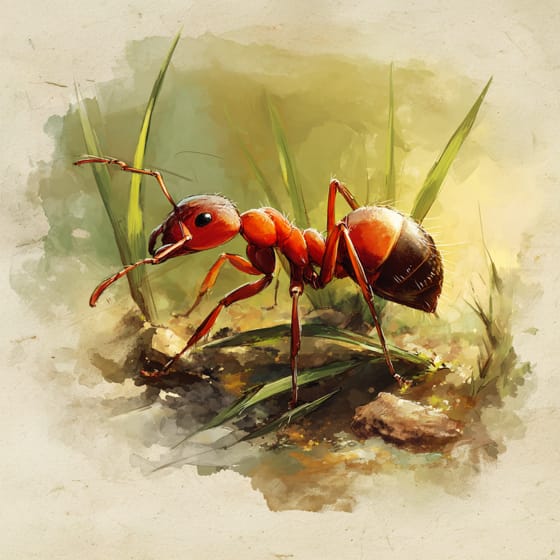
The Little Yellow Ant is a tiny, pale yellowish-brown ant with a shiny, slender body. Its small size and uniform light color make it visually distinct from many larger, darker ant species. It has short antennae and small eyes.
Category
InsectsRarity
Common
Danger
1/5 · Very low
Snaps
Be the first to snap!
Did you know a Little Yellow Ant queen can live for several years, constantly laying eggs to grow her colony?
Little Yellow Ants are incredibly widespread, often hitching rides with humans to new places around the world!
Sometimes, they 'milk' tiny insects called aphids for their sweet sugary honeydew, like tiny farmers!
These tiny ants often make their homes in surprising spots, even inside your potted plants or wall cracks!
Little Yellow Ants can squeeze into super tiny cracks and crevices because of their minuscule size, finding hidden food.
Little Yellow Ants lay invisible scent trails that help them guide friends directly to food sources or new nest sites.
Little Yellow Ants can squirt a tiny droplet of formic acid that helps them deter small predators and pests.
These tiny ants are omnivores, enjoying sugary treats and protein from insects.
Aphis gossypii
tends aphids for sweet honeydew
Drosophila melanogaster
scavenges dead fruit flies
Solenopsis invicta
predated by larger, more aggressive ants
Social animals live in organized groups, cooperating for survival benefits such as foraging, defense, and raising offspring.
This trait identifies organisms whose diet includes both plant and animal matter.
Describes organisms that break down dead organic material, recycling nutrients back into the ecosystem.
Describes a species whose presence and role have a disproportionately large effect on its environment.

Pertaining to species that are significantly smaller than typical or average for their kind.

This trait identifies organisms that exhibit exceptional swiftness in movement for hunting, escape, or travel.

This habitat trait indicates species that can coexist with humans in urban and suburban environments, utilizing man-made structures and green spaces.

Describes organisms that transfer pollen, enabling the fertilization and reproduction of plants.
No aliases listed yet.
Danger
1/5 · Very low
Ants are usually harmless, but it's best to avoid disturbing their nests.
The easiest way to identify Little Yellow Ant is to use the Snappit nature identifier app.
1.5-3 mm
60-365 days
These tiny ants are omnivores, enjoying sugary treats and protein from insects.
Urban areas
Foraging
6
10000
Zoom in to split clusters and explore where this object has been snapped.
Recent snaps will appear here as new observations are added.
Take the discovery with you
Snap it with Snappit to identify it, learn what makes it special, and add the discovery to your collection.









.jpg&width=800)



