





Lombardy Poplar
Populus nigra
The Lombardy Poplar is a tall and narrow tree that grows in straight lines. It’s often used to make beautiful rows in parks.
Habitat: Gardens and parks
The Lombardy Poplar is a strikingly tall and slender tree, instantly recognizable by its narrow, columnar shape and upward-pointing branches. Its dense crown of dark green, triangular leaves creates a dramatic, vertical presence in any landscape.
Category
TreesRarity
Common
Danger
1/5 · Very low
Snaps
1
Almost all Lombardy Poplars are male clones from one single tree!
Ancient Romans planted them to mark roads and define property boundaries.
Their unique tall, slender shape was first noticed centuries ago in Italy.
They grow incredibly fast, shooting up several feet each year!
Lombardy Poplar can sprout quickly from cuttings, allowing it to easily spread and establish new trees.
Its incredibly dense, upright form creates natural windbreaks, protecting crops and land from strong winds.
Lombardy Poplar has roots that tolerate various soil conditions, helping it thrive near rivers and disturbed sites.
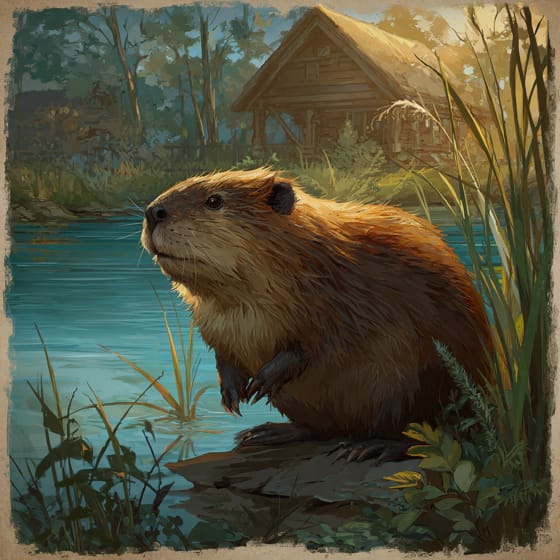
Castor canadensis
Beavers will sometimes eat the bark and twigs.
Saperda carcharias
Its larvae bore into the wood, damaging the tree.
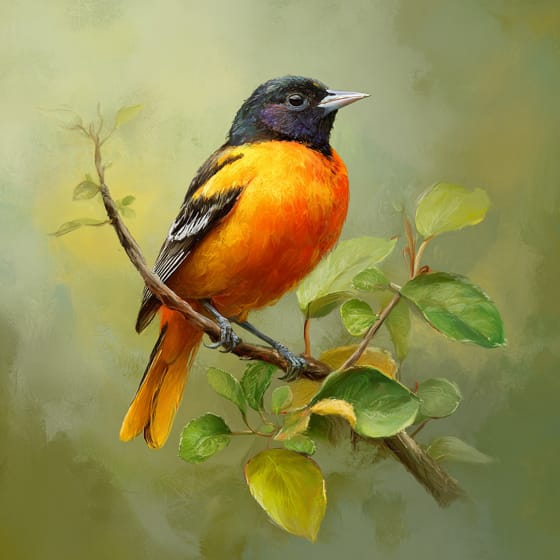
Icterus galbula
Birds like orioles may nest in its tall branches.

Chrysomela populi
Larvae and adults feed on poplar leaves.

Pleurotus ostreatus
Fungi like this decompose dead poplar wood.
Deciduous plants periodically shed all their leaves, typically during autumn or dry seasons.
Broadleaf trees are angiosperms characterized by flat, wide leaves that are typically shed annually in temperate climates.
Rapid growing plants exhibit accelerated growth rates, quickly increasing in size and biomass within a short period.
This habitat trait indicates species that can coexist with humans in urban and suburban environments, utilizing man-made structures and green spaces.
Danger
1/5 · Very low
Do not pick or eat anything you find. Some plants and mushrooms can be harmful.
The easiest way to identify Lombardy Poplar is to use the Snappit nature identifier app.
20-40 m
3-5 m
No
100-200 cm
50-150 years
Gardens and parks
Catkins
Zoom in to split clusters and explore where this object has been snapped.
Take the discovery with you
Snap it with Snappit to identify it, learn what makes it special, and add the discovery to your collection.











